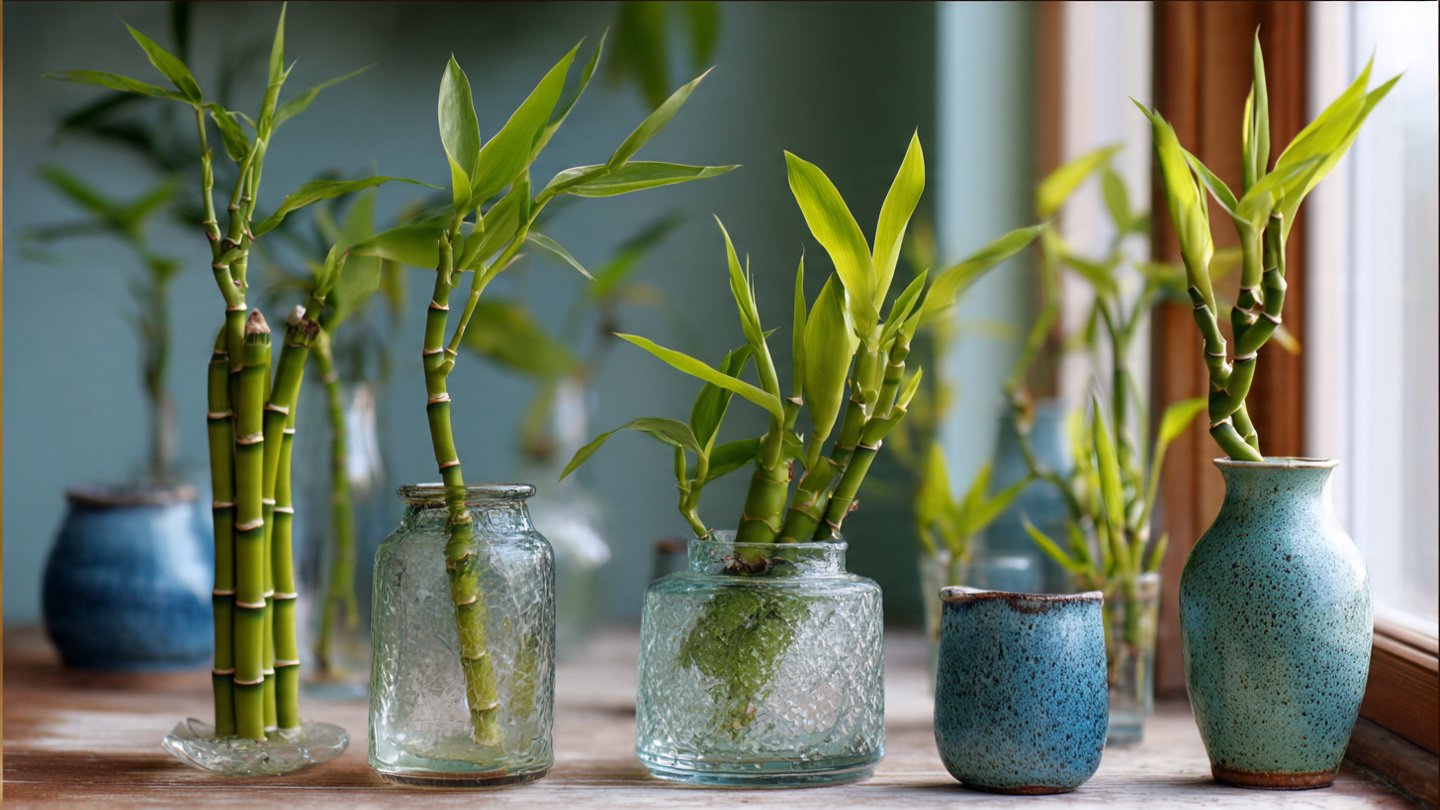
Lucky Bamboo, scientifically known as Dracaena sanderiana, is not only a popular houseplant but also a symbol of good fortune, wealth, and prosperity in many cultures, especially in Feng Shui practices. It’s one of the easiest plants to care for, making it a perfect choice for both beginners and seasoned plant enthusiasts. This guide will delve into the essentials of successfully growing Lucky Bamboo in a vase, offering insights, tips, and answers to frequently asked questions.
Understanding Lucky Bamboo
Lucky Bamboo is often confused with actual bamboo due to its appearance but belongs to the Dracaena family. These plants can grow in water or soil and are typically sold in decorative arrangements. Its association with good luck derives from the belief that the number of stalks in a bundle corresponds to different types of blessings, such as health, happiness, and prosperity.
Latest Posts
- Easy Steps to Successfully Grow Bhindi in Grow Bags at Home
- Easy Steps to Grow a Healthy Guava Bonsai at Home for Beginners
- How to Successfully Grow and Cultivate White Strawberry Plants at Home for Delicious and Unique Fruits
- Ultimate Guide to Successfully Growing Weeping Fig Outdoors with Proven Techniques and Expert Tips
- How to Successfully Grow Flemish Beauty Pear Trees in Canada for Optimal Harvest
- Easy Hack to Grow Strawberries Year Round in Your Home Garden for Delicious Harvests
- Growing Flemish Beauty Pears in Canada A Complete Guide for Local Gardens
- The Ultimate Guide to Growing Hibiscus Plants Year Round for Vibrant Blooms and Healthy Foliage
- Easy Ways to Boost the Growth Rate of Your Indoor Peace Lily for Lush Green Foliage
- How to Successfully Grow Oak Leaf Lettuce in Your Home Garden for Fresh and Flavorful Salads
Benefits of Lucky Bamboo
- Air Purification: Like many houseplants, Lucky Bamboo helps purify the air, removing toxins and releasing oxygen.
- Low Maintenance: Thriving in low-light conditions and needing minimal care makes it ideal for any living space.
- Aesthetic Appeal: Its attractive appearance and versatility in design make it a trendy décor element.
- Symbolism: Each arrangement carries specific meanings, making it a thoughtful gift.
Choosing the Right Vase
Material
When selecting a vase for your Lucky Bamboo, consider the following materials:
- Glass: Transparent vases allow you to showcase the roots while adding a decorative touch.
- Ceramic: These can be more decorative but require careful consideration regarding drainage.
- Plastic: Although lighter and less expensive, they may not provide the aesthetic appeal you desire.

Size and Shape
- Size: Choose a vase that can comfortably accommodate the number of stalks you wish to grow. Deep vases can help support taller plants.
- Shape: Wide vases offer stability, while tall, narrow vases can provide a striking visual.
Preparing the Vase
- Cleaning: Ensure your vase is clean to avoid introducing bacteria that could harm the plant.
- Water: Use distilled or filtered water to reduce chlorine levels, which can adversely affect the plant.
- Rocks or Marbles: Adding a layer of decorative stones or marbles not only enhances aesthetics but also helps support the plant.
Planting Lucky Bamboo
Step-by-Step Guide
-
Select Stalks: Choose healthy stalks that are firm and vibrant green. More than one stalk can enhance the luck factors.
-
Trim if Necessary: If any leaves or roots appear damaged, trim them carefully using sterilized scissors.
-
Place in Vase: Arrange the stalks in the vase, ensuring they are stable and upright.
-
Water Level: Fill the vase with water, ensuring at least an inch of the stalks is submerged. Avoid submerging leaves to prevent rot.
-
Location: Place your vase in a location with indirect sunlight to prevent scorching the leaves.
Maintenance and Care
Watering
- Frequency: Change the water every two to four weeks, depending on the level of evaporation and water quality.
- Monitoring: Ensure the water level remains consistent and change it if it looks cloudy.
Light Requirements
- Indirect Sunlight: Lucky Bamboo thrives in bright, indirect light. Too much direct sunlight can scorch the leaves, while too little can stunt growth.
Nutrients
- Fertilizing: Use a liquid fertilizer diluted to half strength every couple of months to provide essential nutrients. Over-fertilizing can damage the plant, so moderation is key.
Pruning
- Regular Trimming: Trim any yellowing or dead leaves to encourage healthy growth and prevent disease.
- Shaping: You can also prune for shape, ensuring your arrangement remains aesthetically pleasing.

Troubleshooting Common Issues
Yellowing Leaves
- Cause: This can be a sign of over-fertilization, poor water quality, or too much direct sunlight.
- Solution: Change the water and trim affected leaves. Adjust the plant’s light exposure.
Root Rot
- Cause: This occurs when roots remain submerged in stagnant water for too long.
- Solution: Change the water more frequently and ensure no leaves are submerged.
Pests
- Common Pests: Spider mites and aphids can affect Lucky Bamboo.
- Solution: Wipe the leaves with a damp cloth and use insecticidal soap as needed.
Propagation
Lucky Bamboo can be easily propagated, allowing you to grow more plants from your original stalks. Here’s how:
- Select a Healthy Stalk: Choose a robust stalk with several nodes.
- Cutting: Using sterilized scissors, make a cut just below a node.
- Water Placement: Place the cutting in a vase with water, ensuring that a node is submerged.
- Light: Provide indirect sunlight and change the water regularly. Roots should start to develop within a few weeks.

Cultural Significance
In many Asian cultures, Lucky Bamboo is not just a plant but a symbol of luck and prosperity. Here’s a brief overview of its significance:
- Feng Shui: Different numbers of stalks are believed to bring different types of luck. For example, three stalks symbolize happiness, long life, and wealth.
- Gifting Tradition: It’s common to gift Lucky Bamboo during special occasions like weddings and housewarming ceremonies as a token of good wishes.
FAQs
1. How long does Lucky Bamboo live?
With proper care, Lucky Bamboo can live for several years. Some enthusiasts have reported their plants thriving for over a decade.
2. Can I grow Lucky Bamboo in soil instead of water?
Yes, Lucky Bamboo can grow in soil. However, make sure to keep the soil consistently moist without overwatering.
3. How often should I change the water?
Change the water every two to four weeks or when it appears cloudy.
4. Is Lucky Bamboo safe for pets?

Lucky Bamboo is considered non-toxic to pets, but it’s still good to monitor them to prevent ingestion.
5. Can I use tap water?
While tap water is generally okay, it can contain chemicals like chlorine that may harm the plant. It’s better to use filtered or distilled water.
6. What number of stalks should I choose for different types of luck?
- 2 stalks: Love
- 3 stalks: Happiness, wealth, and long life
- 5 stalks: Health
- 21 stalks: Perfect luck and abundance
Conclusion
Growing Lucky Bamboo in a vase is not only a simple and rewarding endeavor but also a wonderful way to bring a touch of greenery and good fortune into your space. With its minimal care requirements, unique aesthetic appeal, and rich cultural significance, Lucky Bamboo is a must-have for every plant lover. By following this guide, you’ll be well on your way to nurturing a lucky little plant that spreads positivity and beauty throughout your home. Happy gardening!