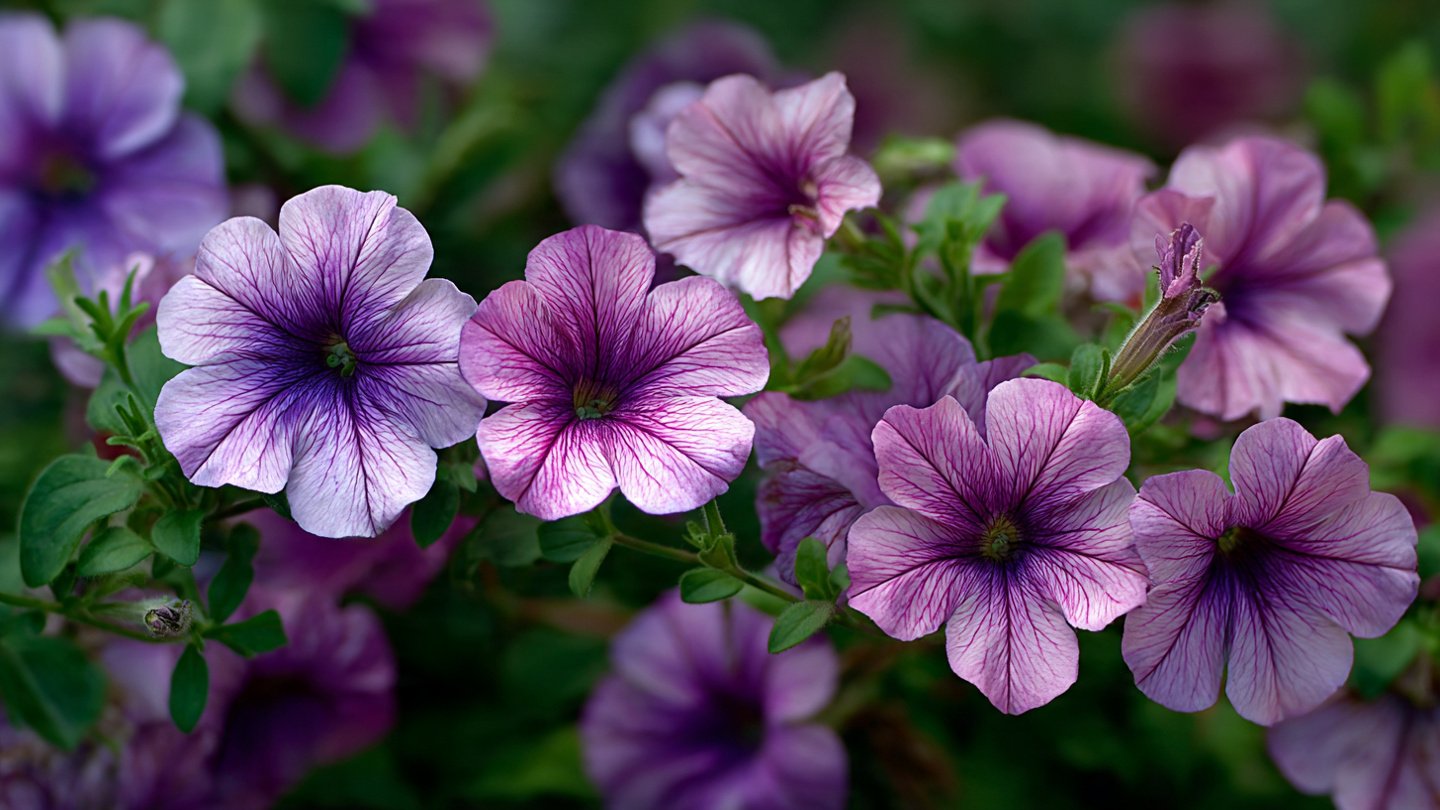
Wave petunias have taken the gardening world by storm due to their vibrant colors, sprawling habit, and remarkable resilience. Perfect for hanging baskets, window boxes, and garden beds, these flowers add a cascade of brilliance that can enhance any outdoor space. This comprehensive guide will take you through everything you need to know to successfully grow wave petunia flowers in your garden.
What are Wave Petunias?
Wave petunias are a special variety of petunia characterized by their trailing habit and rich, abundant blooms. They were developed for their ability to fill space quickly and bloom continuously throughout the growing season. Unlike traditional petunias, which can become tall and leggy, wave petunias spread out, creating a wave-like effect that is visually stunning.
Latest Posts
- Easy Steps to Successfully Grow Bhindi in Grow Bags at Home
- Easy Steps to Grow a Healthy Guava Bonsai at Home for Beginners
- How to Successfully Grow and Cultivate White Strawberry Plants at Home for Delicious and Unique Fruits
- Ultimate Guide to Successfully Growing Weeping Fig Outdoors with Proven Techniques and Expert Tips
- How to Successfully Grow Flemish Beauty Pear Trees in Canada for Optimal Harvest
- Easy Hack to Grow Strawberries Year Round in Your Home Garden for Delicious Harvests
- Growing Flemish Beauty Pears in Canada A Complete Guide for Local Gardens
- The Ultimate Guide to Growing Hibiscus Plants Year Round for Vibrant Blooms and Healthy Foliage
- Easy Ways to Boost the Growth Rate of Your Indoor Peace Lily for Lush Green Foliage
- How to Successfully Grow Oak Leaf Lettuce in Your Home Garden for Fresh and Flavorful Salads
Benefits of Growing Wave Petunias
- Vibrant Colors: Wave petunias come in a diverse range of colors including purple, pink, red, white, and even bi-colored varieties.
- Hardiness: These flowers are tolerant to various weather conditions, including heat and rain.
- Low Maintenance: Wave petunias are relatively easy to care for, making them a favorite among beginner gardeners.
- Continuous Blooming: They produce flowers from spring until the first frost, providing a long-lasting display.
Choosing the Right Variety
Before you plant, it’s essential to choose the right variety of wave petunia. Popular options include:
- Purple Wave: The classic wave with bright purple blooms.
- Pink Wave: Lovely soft pink flowers that create a romantic feel.
- Red Wave: Bright and bold, ideal for high-visibility areas.
- Mixed Colors: Consider a mix for a vibrant, eye-catching display.
Planning Your Garden Space

Ideal Location
Wave petunias thrive in areas that receive full sun. Aim for at least 6 to 8 hours of sunlight daily. They perform well in:
- Hanging baskets
- Containers
- Flower beds
- Borders
Be sure to choose a location that has good air circulation to deter mold and pests.
Soil Requirements
Wave petunias prefer well-draining soil rich in organic matter. Here’s how to prepare your soil:
- Testing pH: Ideally, the soil pH should be between 6.0 and 7.0.
- Adding Organic Matter: Work compost or well-rotted manure into the soil to boost nutrient content.
- Ensure Good Drainage: If your soil retains too much water, consider mixing in sand or perlite.
Planting Wave Petunias
Timing for Planting
The best time to plant wave petunias is after the last frost in spring when the soil has warmed up. In most regions, this is typically between late April and early June.

Planting Steps
- Prepare the Site: Clear the area of weeds and debris.
- Dig Holes: Space the plants about 12 to 18 inches apart to allow for their spreading habit.
- Planting: Gently remove the plants from their containers and place them in the holes at the same soil level they were in the pot.
- Watering: Water the plants thoroughly after planting to help them establish their roots.
Caring for Wave Petunias
Watering
Wave petunias enjoy consistent moisture but do not like to sit in water. Here are some watering tips:
- Check Moisture: Water when the top inch of soil feels dry.
- Deep Watering: Water deeply to encourage a strong root system.
- Avoid Overhead Watering: Water at the base to prevent moisture on the foliage, which can lead to mold.
Fertilizing
To promote abundant blooms, fertilize your wave petunias:
- Use a Balanced Fertilizer: Choose a slow-release fertilizer with equal parts nitrogen, phosphorus, and potassium (e.g., 10-10-10).
- Fertilize Monthly: Apply once a month during the growing season for best results.
Pruning

While wave petunias are relatively low-maintenance, some light pruning will keep them looking their best:
- Deadheading: Regularly remove spent blooms to encourage new growth.
- Pinching Back: Pinch back any leggy stems to promote a bushier appearance.
Pest and Disease Management
Wave petunias are generally resilient, but they can face challenges from pests and diseases. Here’s how to manage them:
Common Pests
- Aphids: Small, sap-sucking insects that can harm plants. Use insecticidal soap or neem oil for control.
- Spider Mites: Check for fine webbing on leaves. Increased humidity and regular watering can help deter them.
- Whiteflies: Tiny white insects that fly up when the plant is disturbed. Use sticky traps and insecticidal soap.
Common Diseases
- Powdery Mildew: A fungal disease that thrives in humid conditions. Ensure good air circulation and avoid overhead watering.
- Root Rot: Caused by overwatering. Ensure good drainage and allow soil to dry between waterings.
Harvesting Seeds
If you love wave petunias, you might want to collect seeds for future planting:
- Wait for the Seed Pods: Allow the flowers to go to seed after the blooming season.
- Harvest: Once the pods dry and turn brown, collect them and store them in a cool, dry place.

Preparing for Winter
In regions with frost, wave petunias are typically treated as annuals. However, in warmer climates, you can treat them as perennials.
Care Before Winter
- Cut Back the Plants: As the blooms fade, cut them back to the ground.
- Mulch: Add a layer of mulch to protect the roots from frost.
Frequently Asked Questions (FAQs)
1. Can wave petunias survive in partial shade?
Wave petunias thrive best in full sun but can tolerate partial shade. However, flowering may be reduced in shaded areas.
2. How often should I fertilize wave petunias?
Fertilize wave petunias once a month with a balanced fertilizer to encourage vibrant blooms.
3. Do wave petunias attract pollinators?
Yes, wave petunias are attractive to various pollinators, including bees and butterflies, making them great for a pollinator-friendly garden.
4. Can I grow wave petunias in containers?
Absolutely! Wave petunias are perfect for containers, hanging baskets, and window boxes. Just ensure good drainage.

5. Why are my wave petunias turning yellow?
Yellowing may indicate overwatering, under-fertilization, or root rot. Check the soil moisture and adjust your watering routine.
6. How can I deadhead my wave petunias?
To deadhead, simply pinch or cut off spent blooms at the base of the stem. This encourages more flowering.
7. What is the best way to propagate wave petunias?
Wave petunias can be propagated from cuttings. Take a 4- to 6-inch cutting, remove the lower leaves, and place it in water or moist soil until it roots.
8. How long do wave petunias last?
Wave petunias bloom from spring until the first frost, providing a showy display for several months.
Conclusion
Growing wave petunias is a delightful way to beautify your garden. With vibrant colors, low maintenance needs, and a cascade of blooms, they are a perfect choice for both beginner and experienced gardeners. By following the guidelines in this article, you’ll be well on your way to cultivating a stunning floral display that will catch the eye and delight the senses throughout the growing season. Happy gardening!