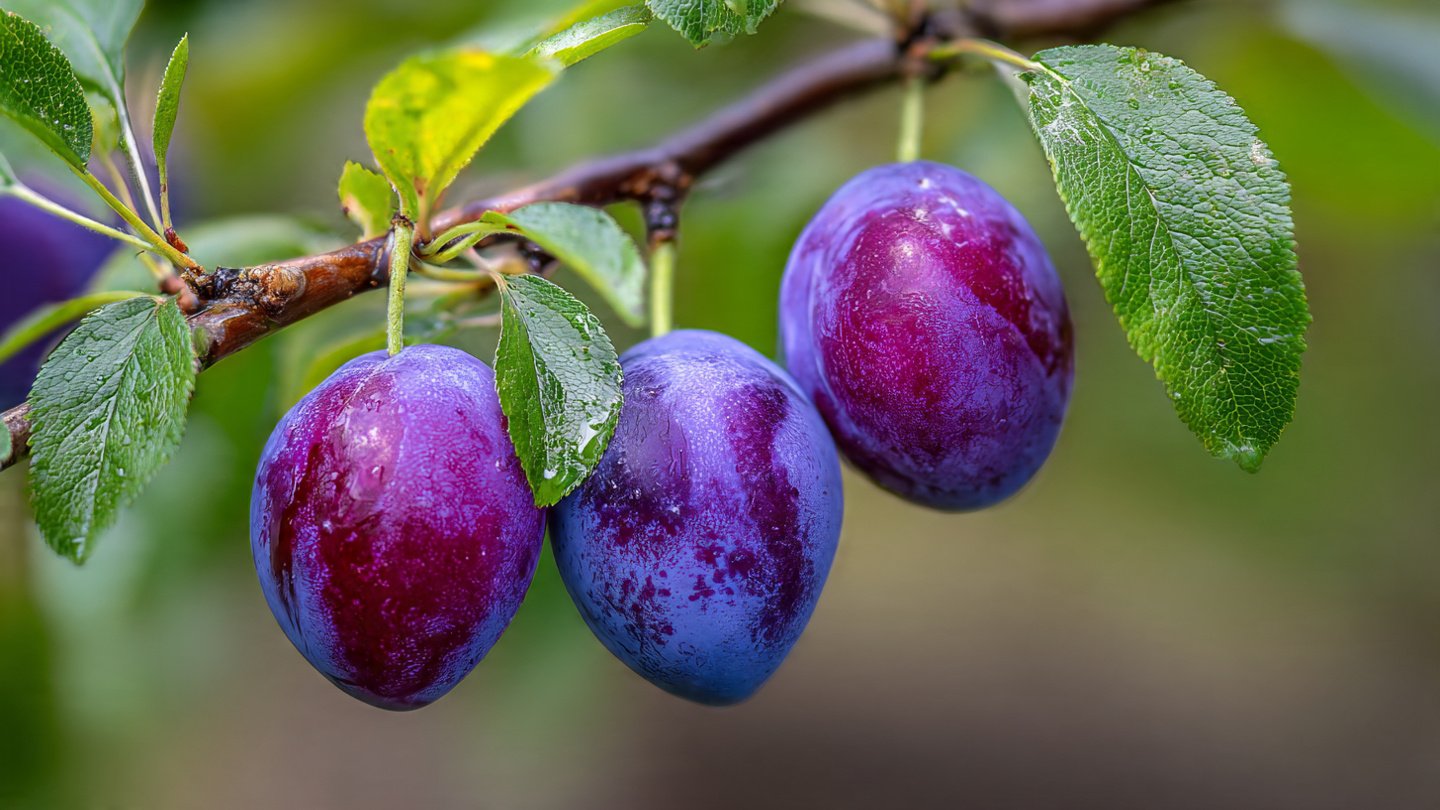
Growing plums in pots can be a rewarding endeavor, especially for those residing in Canada where traditional gardening space may be limited. Container gardening allows you to enjoy homegrown produce regardless of your living situation. In this guide, we will cover easy techniques to successfully grow plums in pots, focusing on Canadian climates, common challenges, and tips for beginners.
Benefits of Growing Plums in Pots
- Easy Steps to Successfully Grow Bhindi in Grow Bags at Home
- Easy Steps to Grow a Healthy Guava Bonsai at Home for Beginners
- How to Successfully Grow and Cultivate White Strawberry Plants at Home for Delicious and Unique Fruits
- Ultimate Guide to Successfully Growing Weeping Fig Outdoors with Proven Techniques and Expert Tips
- How to Successfully Grow Flemish Beauty Pear Trees in Canada for Optimal Harvest
- Easy Hack to Grow Strawberries Year Round in Your Home Garden for Delicious Harvests
- Growing Flemish Beauty Pears in Canada A Complete Guide for Local Gardens
- The Ultimate Guide to Growing Hibiscus Plants Year Round for Vibrant Blooms and Healthy Foliage
- Easy Ways to Boost the Growth Rate of Your Indoor Peace Lily for Lush Green Foliage
- How to Successfully Grow Oak Leaf Lettuce in Your Home Garden for Fresh and Flavorful Salads
-
Space Efficiency: Container gardening is ideal for those with limited outdoor space. Whether you have a balcony, patio, or small yard, you can cultivate healthy plum trees.
-
Mobility: Pots can be moved to optimize sun exposure or shelter from harsh weather, allowing you to control the environment of the plants better.
-
Soil Quality Control: Growing plums in pots allows you to select and maintain the soil quality, which is important for fruit production.
-
Pest Management: Containers can help minimize pest invasion as they are easier to monitor compared to in-ground plants.
Latest Posts
Choosing the Right Plum Variety
When it comes to growing plums in Canada, choosing the right variety is crucial. Some varieties are more suited for container growth and Canadian climates:
- ‘Surefire’: A self-pollinating variety that is hardy, making it ideal for cooler regions.
- ‘Santa Rosa’: Known for its sweet flavor and good disease resistance, this variety thrives in pots when properly cared for.
- ‘Blue Damson’: This compact variety is well-suited for containers and is winter-hardy.
Factors to Consider
- Cold Hardiness: Look for varieties rated for your specific USDA hardiness zone. Most of Canada falls within Zones 3 to 5.
- Pollination: Although some plums are self-pollinating, having two trees can enhance fruiting.
Selecting the Right Container
The choice of container significantly impacts the growth of your plum tree.
Size Matters
- Volume: Aim for a pot that has at least a 15-gallon capacity. This allows for adequate root development.
- Depth: An ideal depth would be around 18-24 inches to provide sufficient room for the root system.
Material Choice
- Terra Cotta: Allows for proper aeration but may require more frequent watering.
- Plastic: Lightweight and retains moisture better, making it easier for beginners.
- Wood: Provides good insulation but may rot over time if not treated properly.
Drainage
Proper drainage is crucial. Ensure your pot has drainage holes; otherwise, water can accumulate and lead to root rot. Consider using a layer of gravel at the bottom of the pot to assist with drainage.
Soil Requirements
Using the right soil mix is critical for the growth of your plum tree.
-
Well-draining Mix: A blend of potting soil, perlite, and compost works well. The compost provides nutrients, while perlite ensures adequate drainage.
-
pH Levels: Plums prefer a slightly acidic to neutral pH (around 6.0 to 7.0). You can adjust pH levels using lime (to raise) or sulfur (to lower).
Planting Your Plum Tree
Timing
The best time to plant your plum tree in Canada is in early spring or late fall when the weather is mild. Ensure the risk of frost has passed to allow your tree to establish roots.
Planting Steps
- Prepare the Soil: Mix your potting soil with organic compost.
- Fill the Container: Fill the pot with soil, leaving a few inches at the top.
- Position the Tree: Place the tree so that the root collar is even with the soil surface.
- Soil Coverage: Backfill with additional soil, gently patting it down to remove air pockets.
- Watering: Water the plant thoroughly to help settle the soil.
Caring for Your Plum Tree
Watering
Regular watering is essential, especially during the growing season.
- Frequency: Water deeply once or twice a week, ensuring the soil retains moisture but is not waterlogged.
- Signs of Underwatering: Wilting leaves, dry soil, and leaf drop are indicators that your plant needs water.
Fertilizing
Potted trees have a limited nutrient supply, so regular fertilization is necessary.
- Organic Fertilizers: Use a balanced fertilizer (10-10-10) or organic options such as compost or fish emulsion.
- Schedule: Fertilize in early spring and again in mid-summer.
Pruning
Pruning helps shape the tree and encourages healthy growth.
- When to Prune: Late winter or early spring is ideal when the tree is still dormant.
- How to Prune: Remove dead or diseased branches and any that are crossing to promote airflow and light penetration.
Protecting from Pests and Diseases
While growing plums in pots can reduce pest issues, it’s still essential to be vigilant.
Common Pests
- Aphids: Small, green insects that can be removed with a strong stream of water or insecticidal soap.
- Spider Mites: Fine webbing on leaves indicates an infestation. Increase humidity around the plant to deter them.

Diseases
- Brown Rot: This fungal disease can cause fruits to rot. Keep branches pruned and avoid overhead watering.
- Powdery Mildew: A common fungal infection. Applying a baking soda solution can help control it.
Winter Care
In Canada, winter poses a unique challenge for potted trees.
Protecting from Cold
- Location: Move pots to a sheltered spot, like a garage or porch, during the coldest months.
- Insulation: Wrap containers in burlap or bubble wrap to provide insulation.
Watering in Winter
Although growth slows down, it’s important to check soil moisture; don’t let the tree dry out completely.
Harvesting Plums
Plum trees usually take 2-4 years to produce fruit. They can be harvested once they are fully colored and begin to soften.
Timing
- Signs of Ripeness: Fruit should easily come off with a gentle twist.
- Storage: Freshly picked plums can be stored in a cool place or refrigerated for up to a week.
FAQs
1. Can I grow plums indoors?
While it’s possible to grow plums indoors, they typically require a lot of light (12-14 hours) and space. A south-facing window is best, but supplemental lighting may be necessary.
2. How often should I fertilize my potted plums?
Fertilize your potted plum tree every 6-8 weeks during the growing season with a balanced fertilizer to promote healthy growth and fruit production.
3. What should I do if my tree doesn’t produce fruit?
Ensure that your tree is properly pollinated. Consider having more than one tree, as cross-pollination often increases fruit yield. Also, check your watering, fertilizing, and pruning practices.
4. How do I know when to water my tree?
Check the top inch of the soil; if it feels dry, it’s time to water. Also, look for signs of wilting leaves or dropping leaves, which indicate that the tree needs water.
5. Can I grow plums in a smaller pot?
While smaller pots are possible for dwarf varieties, they must be at least 8-10 gallons for a better chance of success. Smaller pots can lead to stress, reduced growth, and poor fruit production.
6. What is the best location for my potted plum tree?
Plum trees require full sun (at least 6-8 hours of direct sunlight). A south-facing location is ideal, but make sure they are protected from strong winds.
By following these guidelines, beginners and garden enthusiasts alike can enjoy the process of growing plums in pots, experiencing the joy of gardening and the satisfaction of harvesting freshly grown fruit. Happy gardening!