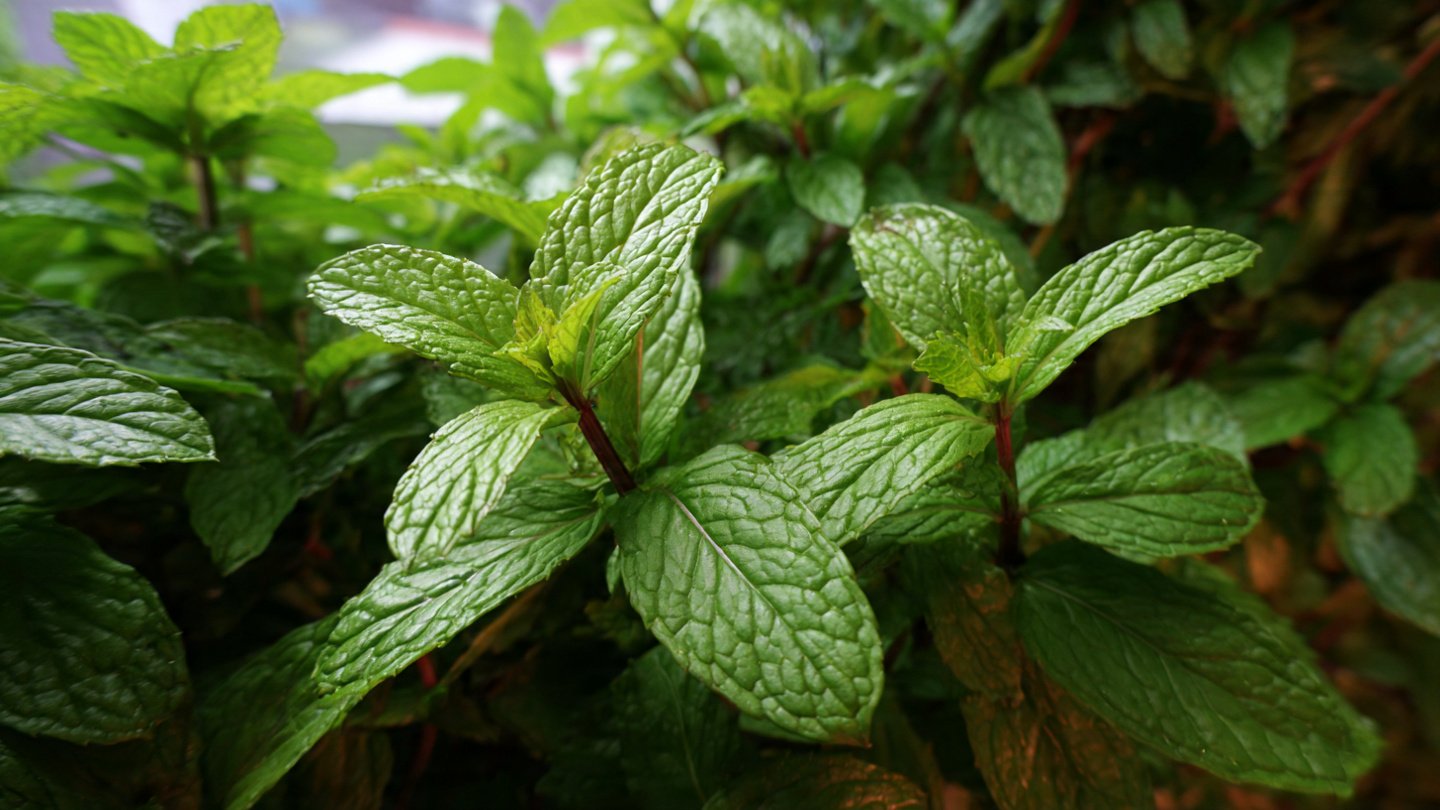
Growing peppermint (Mentha × piperita) can be a rewarding and flavorful experience. Not only is this aromatic herb popular for culinary uses, but it also offers a plethora of health benefits. Whether you’re a seasoned gardener or a newbie looking to enhance your skills, this guide will explore simple methods to naturally accelerate your peppermint growth, ensuring you get the most out of your plants.
Understanding Peppermint
Peppermint is a hybrid plant species derived from spearmint and watermint. It is known for its refreshing aroma and robust flavor, making it a staple in teas, desserts, and various dishes. Beyond its culinary uses, peppermint has therapeutic properties, including digestive aid, headache relief, and skin-soothing benefits. Before diving into the methods to accelerate growth, it’s essential to understand its growth characteristics.
Latest Posts
- Easy Steps to Successfully Grow Bhindi in Grow Bags at Home
- Easy Steps to Grow a Healthy Guava Bonsai at Home for Beginners
- How to Successfully Grow and Cultivate White Strawberry Plants at Home for Delicious and Unique Fruits
- Ultimate Guide to Successfully Growing Weeping Fig Outdoors with Proven Techniques and Expert Tips
- How to Successfully Grow Flemish Beauty Pear Trees in Canada for Optimal Harvest
- Easy Hack to Grow Strawberries Year Round in Your Home Garden for Delicious Harvests
- Growing Flemish Beauty Pears in Canada A Complete Guide for Local Gardens
- The Ultimate Guide to Growing Hibiscus Plants Year Round for Vibrant Blooms and Healthy Foliage
- Easy Ways to Boost the Growth Rate of Your Indoor Peace Lily for Lush Green Foliage
- How to Successfully Grow Oak Leaf Lettuce in Your Home Garden for Fresh and Flavorful Salads
Peppermint Growth Characteristics
-
Sunlight Requirements: Peppermint thrives in full sun to partial shade. However, it tends to prefer cooler temperatures, which makes it ideal for spring and fall planting.
-
Soil Preferences: Rich, well-drained soil with a slightly acidic to neutral pH is optimal for peppermint growth. Heavy clay or overly sandy soils can hinder growth, so amending the soil with organic matter can be beneficial.
-
Watering Needs: As a plant that thrives near water sources, peppermint requires consistent moisture. However, overwatering can lead to root rot. Ensuring proper drainage is crucial.
-
Growth Habit: Peppermint is a vigorous grower that can spread quickly. Planting it in containers or using barriers can help control its growth and prevent it from overtaking other plants.
Simple Methods to Accelerate Your Peppermint Growth Naturally
1. Utilize Proper Planting Techniques
Choosing the Right Location: Selecting a proper location for your peppermint will lay the foundation for its growth. Choose a place that receives at least 4-6 hours of sunlight daily. If you live in a particularly hot climate, partial shade during the hottest part of the day can help protect the plants.
Soil Preparation: Prior to planting, amend the soil with well-decomposed compost or organic fertilizers. This provides necessary nutrients and improves soil structure. A balanced organic fertilizer with a nutrient ratio like 10-10-10 is ideal to ensure a steady supply of nitrogen, phosphorus, and potassium.
Spacing: When planting peppermint, ensure that plants are spaced about 12-18 inches apart, allowing them room to spread without competing for nutrients or moisture.
2. Optimize Watering Techniques
Consistent Moisture: Peppermint prefers moist soil, but it should not be soggy. Check the soil moisture regularly; it should feel like a wrung-out sponge. Water deeply at least once a week, and more frequently during dry spells.
Mulching: Applying a layer of organic mulch, such as straw or wood chips, around your peppermint plants helps retain moisture, suppress weeds, and increase soil temperature gradually. This provides a more stable growing environment.

3. Employ Natural Fertilization
Compost Tea: Use compost tea as a natural fertilizer. Steep compost in water for 24-48 hours, then dilute to half strength and apply it to your peppermint. This method enriches the soil with beneficial microbes, nitrogen, and other essential nutrients.
Worm Castings: Incorporating worm castings into the soil can significantly boost microbial activity and improve plant health. These organic amendments also release nutrients slowly over time, ensuring that your peppermint receives a consistent food supply.
4. Control Pests and Diseases Naturally
Companion Planting: Companion planting can enhance growth and deter pests. Consider pairing peppermint with plants like cabbage, tomatoes, and carrots. The strong scent of peppermint can confuse or repel pests that might harm these crops.
Natural Pesticides: For insect infestations, consider using insecticidal soap or neem oil, both of which are natural and biodegradable. Always test these products on a small area before broad application to ensure they don’t harm your plants.
Encourage Beneficial Insects: Attracting beneficial insects, such as ladybugs and lacewings, can help manage pest populations naturally. Planting flowers like yarrow or fennel nearby can attract these helpful insects to your garden.
5. Prune Regularly

Frequent Harvesting: Regularly harvesting peppermint encourages bushier growth and prevents the plant from becoming leggy. Cut back the tips of the stems, which encourages side branching and increased leaf production.
Deadheading: Remove flower spikes as they appear to redirect energy from flowering back to leaf production. Since flowers use energy, keeping your plants focused on foliage will result in a more robust yield.
6. Monitor for Environmental Stress
Temperature and Humidity: Peppermint prefers moderate humidity and temperatures. If your area is hot and dry, consider using shade cloths or misting systems to mitigate stress. Conversely, too much moisture can lead to mold or mildew, so ensure adequate air circulation.
Frost Protection: Since peppermint is often grown as a perennial, ensure the plants are protected from frost during cooler months. A layer of mulch can help insulate the roots.
7. Propagation Techniques
Stem Cuttings: Taking stem cuttings from established plants can promote new growth quickly. Cut a healthy stem just below a node, place it in water, and wait for roots to develop before transplanting into soil.
Division: Dividing established plants every couple of years helps control growth and rejuvenate the plants. Gently lift the plant, divide the root ball, and replant sections to encourage fresh growth.

Frequently Asked Questions (FAQs)
Q: How often should I water my peppermint?
A: Peppermint prefers consistently moist soil. Water deeply at least once a week, and more frequently during dry spells. Always check the soil moisture first.
Q: Can peppermint be grown indoors?
A: Yes, peppermint can be grown indoors in pots. Ensure it receives adequate sunlight or use grow lights. Indoors, it may require more frequent watering due to lower humidity levels.
Q: Will peppermint attract pests?
A: While peppermint can repel some pests due to its strong scent, it can also attract beneficial insects. Companion planting and proper management can help keep unwanted pests at bay.
Q: How do I know when to harvest my peppermint?
A: Harvesting can be done when the leaves are abundant and lush, typically before flowering. The best time to harvest is in the mid-morning after the dew has dried for the most potent flavor.
Q: What are the best companions for peppermint?

A: Good companions for peppermint include cabbage, carrots, and tomatoes. These plants thrive well together and can help deter pests.
Q: Can I grow peppermint from seeds?
A: While peppermint can be grown from seeds, it’s more commonly propagated through cuttings or division for consistent flavor and vigor. Seeds may take longer to germinate and establish.
Q: How do I store fresh peppermint?
A: Fresh peppermint can be stored in the refrigerator in a sealed plastic bag or container for up to a week. Alternatively, you can dry the leaves by hanging them upside down or using a dehydrator for longer storage.
Final Thoughts
Growing peppermint can be a fulfilling endeavor, enhanced by utilizing simple and natural methods to promote growth. By optimizing planting techniques, ensuring proper watering, employing organic fertilizers, managing pests, and practicing regular pruning, you will cultivate thriving peppermint plants. Whether for culinary uses or its aromatic benefits, this herb can be a delightful addition to your garden. With the right care and attention, your peppermint plants will flourish, providing a wealth of leaves and essential oils for your enjoyment. Happy gardening!