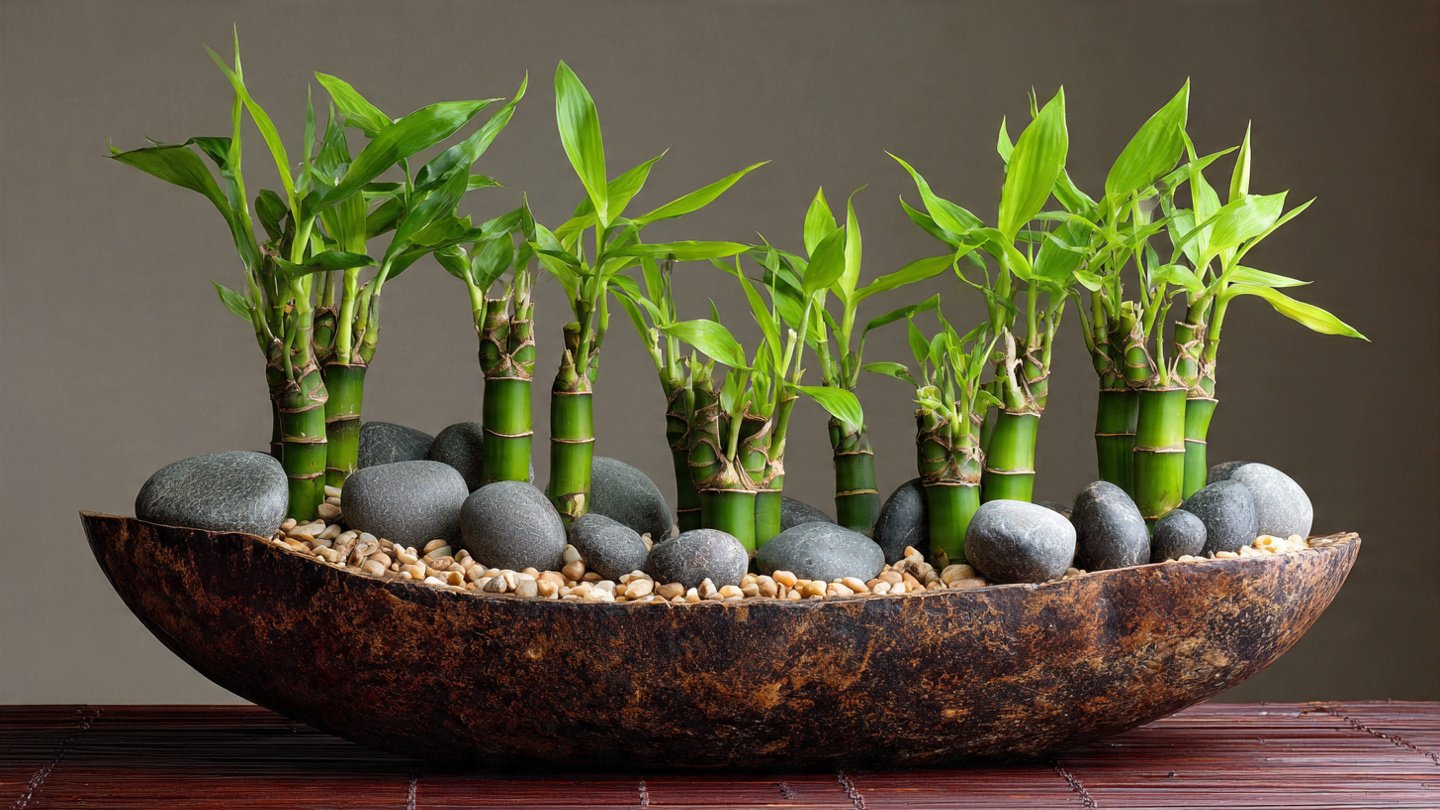
Lucky bamboo (Dracaena sanderiana) has become increasingly popular as a houseplant due to its attractive appearance, ease of care, and symbolism of good fortune and prosperity in various cultures. Growing lucky bamboo in pebbles is not only visually appealing, but it also allows for better drainage and aeration compared to traditional potting soil. This guide will walk you through the essential techniques for successfully growing lucky bamboo in pebbles, along with some helpful tips and answers to frequently asked questions.
Understanding Lucky Bamboo
Lucky bamboo is not actually bamboo; it belongs to the Dracaena genus. It’s a resilient plant that thrives in a variety of environments. Traditionally considered a symbol of good luck, it is often gifted at celebrations and special occasions. In addition to its cultural significance, lucky bamboo is also known for its ability to purify the air and enhance indoor ambiance.
Latest Posts
- Easy Steps to Successfully Grow Bhindi in Grow Bags at Home
- Easy Steps to Grow a Healthy Guava Bonsai at Home for Beginners
- How to Successfully Grow and Cultivate White Strawberry Plants at Home for Delicious and Unique Fruits
- Ultimate Guide to Successfully Growing Weeping Fig Outdoors with Proven Techniques and Expert Tips
- How to Successfully Grow Flemish Beauty Pear Trees in Canada for Optimal Harvest
- Easy Hack to Grow Strawberries Year Round in Your Home Garden for Delicious Harvests
- Growing Flemish Beauty Pears in Canada A Complete Guide for Local Gardens
- The Ultimate Guide to Growing Hibiscus Plants Year Round for Vibrant Blooms and Healthy Foliage
- Easy Ways to Boost the Growth Rate of Your Indoor Peace Lily for Lush Green Foliage
- How to Successfully Grow Oak Leaf Lettuce in Your Home Garden for Fresh and Flavorful Salads
Benefits of Growing Lucky Bamboo in Pebbles
-
Aesthetics: Pebbles create an attractive contrast to the vibrant green of the leaves and can be arranged in various styles to suit your decor.
-
Drainage: Pebbles allow excess water to drain away, minimizing the risk of root rot, which is a common issue when using soil.
-
Simplicity: Using pebbles makes it easier to monitor the moisture levels and allows for less frequent watering.
-
Accessibility: This method is perfect for those with limited space or mobility, as lucky bamboo can be grown in small containers.
Materials Needed
To get started, gather the following materials:

-
Lucky bamboo stalks: Choose healthy stalks with rich green color and no signs of damage or rot.
-
Pebbles: Opt for clean, smooth pebbles. River rocks, decorative stones, or aquarium gravel work well.
-
Water: Use filtered or distilled water if possible, as tap water may contain chemicals that can harm the plant.
-
Container: Choose a clear or decorative container that allows you to see the pebbles and roots.
-
Fertilizer: A diluted liquid fertilizer formulated for houseplants to support growth.
Step-by-Step Guide to Growing Lucky Bamboo in Pebbles
Step 1: Selecting Your Lucky Bamboo
Choose healthy stalks of lucky bamboo, ideally between 12 to 24 inches long. Make sure the stalks have a vibrant green color and that there are no yellow or mushy parts. You can find lucky bamboo at garden centers, nurseries, or online.
Step 2: Prepare the Container
Select a suitable container that is at least 5-6 inches deep. If it’s clear, you’ll also be able to enjoy the view of the roots and pebbles. Clean the container thoroughly to remove any dust or residue.
Step 3: Adding Pebbles
-
Rinse the pebbles under running water to remove any dust or chemicals.
-
Add a layer of pebbles to the bottom of the container. Aim for about 2 – 3 inches of pebbles. This layer provides excellent drainage and gives the roots space to breathe.
-
If you have larger pebbles, you may want to place smaller ones on top for a decorative finish.
Step 4: Arranging the Lucky Bamboo
-
Make sure your lucky bamboo stalks are trimmed to your desired height. You can cut any overly long stalks with a sharp, clean knife.
-
Create small holes in the pebbles where you will place your stalks, and gently insert their lower ends into the pebbles.
-
Ensure that at least two inches of the stalks are buried in the pebbles for stability.
Step 5: Adding Water

-
Slowly pour filtered or distilled water into the container until the lower ends of the bamboo stalks are submerged.
-
Make sure not to overfill the container; the water should cover the roots but not touch the leaves to prevent rot.
Step 6: Fertilization
You can add a diluted liquid fertilizer to the water every month or so to encourage growth. Make sure to follow the manufacturer’s instructions for dilution, as too much fertilizer can harm the plant.
Step 7: Placement
Place the container in a location where it will receive indirect sunlight. Lucky bamboo thrives in bright, indirect light but can struggle in direct sunlight, which may scorch the leaves.
Step 8: Regular Maintenance
-
Watering: Check the water levels regularly and change the water once every two weeks to maintain cleanliness and promote healthy growth.
-
Cleaning: Occasionally, remove any debris from the surface of the pebbles and wipe down the bamboo stalks with a damp cloth.
-
Pruning: Trim off any yellow or brown leaves to maintain the plant’s appearance and health.

Troubleshooting Common Issues
Even with best practices, you may encounter some challenges. Here are a few common issues and how to address them:
-
Yellowing Leaves: This could indicate overexposure to sunlight, underwatering, or low water quality. Move the plant to a more shaded area, ensure proper watering, and consider using filtered water.
-
Root Rot: If your lucky bamboo develops mushy roots, this is an indication of overwatering. Check that the water level is appropriate and ensure proper drainage through the pebbles.
-
Lack of Growth: This may be due to insufficient light or nutrients. Ensure adequate light and consider a diluted fertilizer schedule.
Frequently Asked Questions (FAQs)
Q: How long can lucky bamboo grow in pebbles?
A: Lucky bamboo can thrive indefinitely in pebbles as long as it is given the right care, including adequate water, light, and nutrients.
Q: Can I use regular tap water for my lucky bamboo?
A: It’s best to use distilled or filtered water to avoid harmful chemicals often found in tap water. If you use tap water, let it sit out for 24 hours to allow chlorine to dissipate before using it.

Q: How often should I change the water?
A: Change the water every two weeks to maintain freshness and prevent algae buildup. More frequent changes may be necessary if you notice the water becoming dirty.
Q: Can lucky bamboo grow in soil?
A: Yes, lucky bamboo can grow in soil, but it is more susceptible to root rot due to inadequate drainage compared to pebbles.
Q: What is the lifespan of lucky bamboo?
A: With proper care, lucky bamboo can live for several years, sometimes up to ten years or more.
Q: Can I propagate lucky bamboo?
A: Yes, lucky bamboo can be propagated by cutting a healthy stalk and placing it in water or pebbles. Ensure that the cutting has at least one or two nodes for successful root development.
Conclusion
Growing lucky bamboo in pebbles is a stylish and low-maintenance way to enjoy this beautiful plant. With proper care, she’ll thrive and bring a touch of serenity and good fortune to your home. By following the techniques outlined in this guide, you can create an attractive and healthy display of lucky bamboo that enhances your indoor space for years to come. Happy planting!