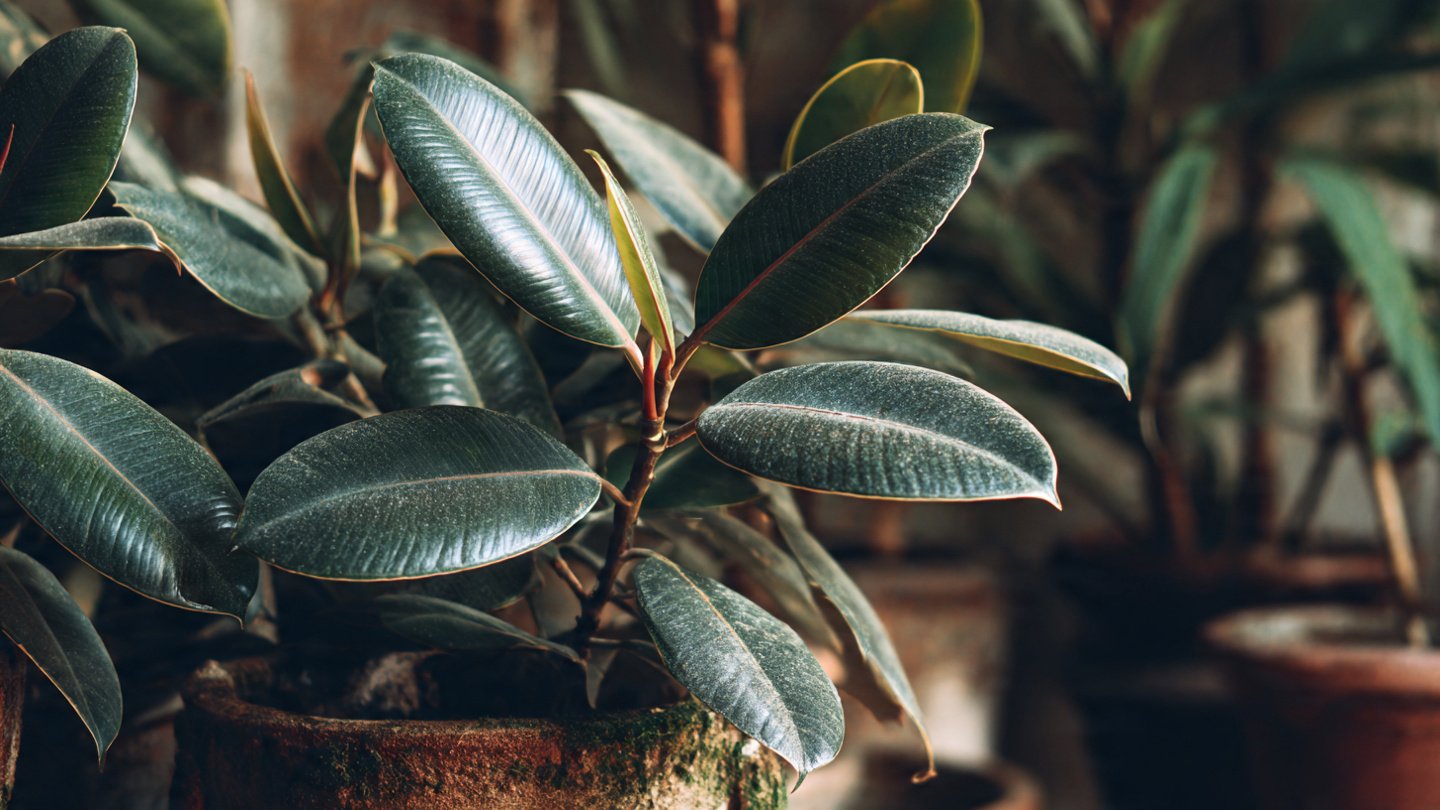
Rubber plants, scientifically known as Ficus elastica, have gained immense popularity among houseplant enthusiasts for their stunning, glossy leaves and air-purifying qualities. While they are typically grown in soil, an increasing number of gardeners are opting to grow rubber plants in water. This method can make cultivation simpler and more visually appealing. In this comprehensive guide, we will explore everything you need to know about successfully growing rubber plants in water, including step-by-step instructions, care tips, and a FAQ section to address common concerns.
Understanding Rubber Plants
History and Origin
Latest Posts
- Easy Steps to Successfully Grow Bhindi in Grow Bags at Home
- Easy Steps to Grow a Healthy Guava Bonsai at Home for Beginners
- How to Successfully Grow and Cultivate White Strawberry Plants at Home for Delicious and Unique Fruits
- Ultimate Guide to Successfully Growing Weeping Fig Outdoors with Proven Techniques and Expert Tips
- How to Successfully Grow Flemish Beauty Pear Trees in Canada for Optimal Harvest
- Easy Hack to Grow Strawberries Year Round in Your Home Garden for Delicious Harvests
- Growing Flemish Beauty Pears in Canada A Complete Guide for Local Gardens
- The Ultimate Guide to Growing Hibiscus Plants Year Round for Vibrant Blooms and Healthy Foliage
- Easy Ways to Boost the Growth Rate of Your Indoor Peace Lily for Lush Green Foliage
- How to Successfully Grow Oak Leaf Lettuce in Your Home Garden for Fresh and Flavorful Salads
Rubber plants are native to Southeast Asia, particularly Indonesia and Malaysia. They are part of the Moraceae family and were initially cultivated for rubber production. Over time, they have become popular as indoor plants due to their attractive foliage and ease of care.
Characteristics of Rubber Plants
- Leaves: Rubber plants boast large, thick, and leathery leaves that can grow several inches in length. The leaves are typically dark green and can appear almost shiny.
- Growth Habit: They can grow quite tall and have a tree-like structure, making them excellent statement pieces in indoor spaces.
- Air Purifying: Rubber plants are known for their air-purifying properties, helping to remove toxins from the air.
Why Grow Rubber Plants in Water?
Aesthetic Appeal
Growing rubber plants in water allows you to showcase their roots, which can be visually stunning. The clarity of the water highlights the natural beauty of the roots, turning your plant into a unique decoration.
Simplicity

Water propagation is often simpler than soil propagation, making it an excellent option for beginners. This method allows for easier visibility of the plant’s health as you can see root growth and changes more clearly.
Root Health Monitoring
When growing in water, monitoring the health of the roots becomes straightforward. You can quickly identify any issues like root rot or algae growth.
Step-by-Step Guide to Growing Rubber Plants in Water
Step 1: Selecting the Right Rubber Plant Cutting
To start, you will need to acquire a healthy cutting:
- Choose the Right Location: Select a healthy rubber plant to take a cutting from. Look for a stem that is at least 4-6 inches long and features several healthy leaves.
- Prepare a Clean Cutting Tool: Use sterilized scissors or pruning shears to make a clean cut. This minimizes the risk of introducing pathogens into your new plant.
Step 2: Preparing the Cutting
- Cut the Stem: Take your selected cutting and trim the bottom at a 45-degree angle. This increases the surface area for water absorption.
- Remove Lower Leaves: Trim any leaves from the lower part of the cutting that would be submerged in water. Leaving a couple of leaves at the top is essential for photosynthesis.
Step 3: Placing the Cutting in Water

- Choose a Container: Select a clear glass or transparent container to allow ample light to the cutting and to observe root development. Seeds can be attractive as decorative pieces, but ensure the material is clean.
- Add Water: Fill the container with enough water to fully submerge the cut end of the stem while keeping the leaves above the waterline.
Step 4: Positioning the Container
- Light Source: Place the container in a bright location, but avoid direct sunlight, which can overheat the water and damage the cutting.
- Temperature: Aim for a warm environment, ideally between 65°F and 75°F (18°C to 24°C), for optimal growth.
Step 5: Maintenance and Water Changes
- Water Quality: Use distilled or filtered water to avoid harmful chemicals commonly found in tap water. If using tap water, let it sit for 24 hours to allow chlorine to evaporate.
- Water Changes: Change the water every week or when it appears cloudy. This prevents bacterial growth and maintains a healthy environment for your cutting.
- Root Monitoring: Keep an eye on the root development. You should see roots emerging from the bottom of the cutting within 4 to 8 weeks.
Step 6: Transplanting to Soil (Optional)
Once your rubber plant has developed a robust root system (about 4-6 inches in length), you may choose to transplant it into soil for sustained growth:
- Choose a Pot: Select a pot with drainage holes that is slightly larger than the root ball.
- Soil Selection: Use a well-draining potting mix. A mix designed for indoor plants will work well.
- Transplanting: Gently remove the cutting from the container, being cautious not to damage the roots. Place the roots in the pot and fill it with soil, ensuring the base of the cutting sits slightly above the soil surface.
- Watering: Water the soil thoroughly after transplanting, allowing any excess to drain out.

Care Tips for Rubber Plants in Water
Lighting
While rubber plants can tolerate low light, they thrive best in bright, indirect light. Avoid placing them in full sun, as this can scorch the leaves.
Water Quality
Always use clean water for your rubber plant. Avoid using hard water as it can lead to mineral buildup in the roots.
Fertilization
While rubber plants primarily grow in water, consider using a diluted liquid fertilizer (about one-quarter strength) every 6-8 weeks to provide essential nutrients, particularly if you decide to transplant into soil.
Temperature and Humidity
Rubber plants prefer a warm and humid environment. Keeping humidity levels around 40-50% can help your plant thrive, especially during winter months when indoor air can become dry.
Common Issues and Troubleshooting

Root Rot
If you notice a foul odor, mushy roots, or brown leaves, your plant may be experiencing root rot. To remedy the situation:
- Remove the cutting from the water.
- Trim away any rotten roots with sterilized scissors.
- Change the water and optionally add an appropriate root hormone if necessary.
Algae Growth
If you see algae in your water, it might indicate that the water is not being changed regularly or that the container is receiving too much light.
- Change the water more frequently.
- Place the container in a less bright location if needed.
FAQs
Can I grow rubber plants in water indefinitely?
Yes, rubber plants can live in water for extended periods, but they may eventually benefit from transitioning to soil for better nutrient access.

How often should I change the water?
It’s best to change the water every week or whenever it appears cloudy to prevent bacteria and algae growth.
Can I propagate rubber plants in soil?
Yes, rubber plants can be propagated in soil. The method involves burying a cutting in the soil and maintaining proper watering, but the water method is simpler for most beginners.
How do I ensure my rubber plant grows healthy leaves?
Provide bright, indirect light, maintain humidity levels, and conduct regular water changes to ensure your rubber plant grows healthy and lush leaves.
What should I do if I can’t see any root development?
If no roots develop after several weeks, the cutting might not be viable. Make sure to use fresh, healthy cuttings and check for proper conditions.
Growing rubber plants in water can be a rewarding and simple endeavor, particularly for beginners. With the right techniques and care, you can enjoy lush greenery in your home while expanding your gardening skills. Take your time and observe your plant’s needs, and you will be well on your way to a thriving rubber plant in water.