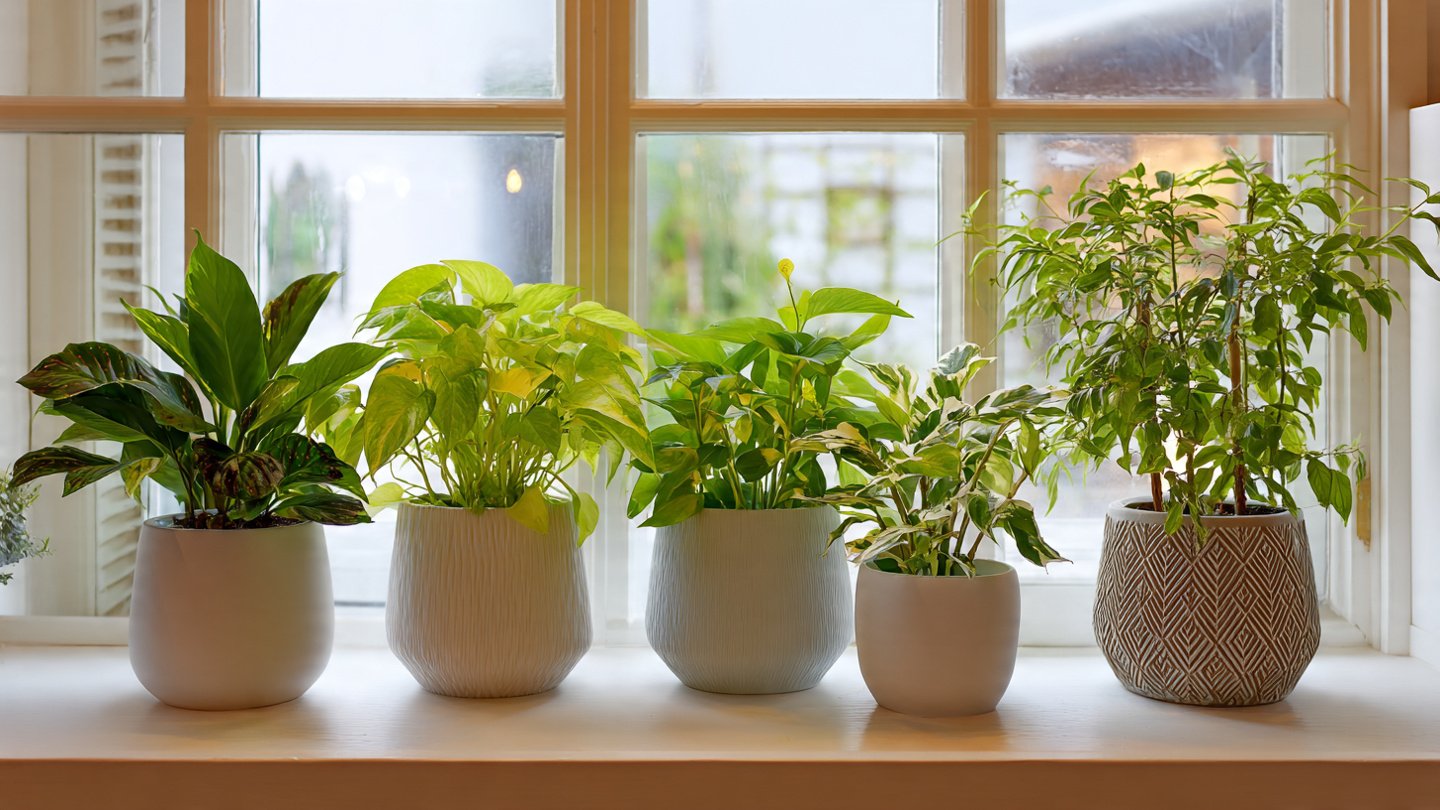
Creating a healthier home environment goes beyond good ventilation and cleanliness. Integrating air-purifying indoor plants into your living space can significantly enhance air quality while also adding beauty and tranquility to your home. This guide offers insights into easy-to-grow indoor plants that purify the air, tips for care, and answers to common questions.
Benefits of Air-Purifying Indoor Plants
Before diving into specific plants and care tips, it’s essential to understand why air-purifying plants are beneficial:
Latest Posts
- Easy Steps to Successfully Grow Bhindi in Grow Bags at Home
- Easy Steps to Grow a Healthy Guava Bonsai at Home for Beginners
- How to Successfully Grow and Cultivate White Strawberry Plants at Home for Delicious and Unique Fruits
- Ultimate Guide to Successfully Growing Weeping Fig Outdoors with Proven Techniques and Expert Tips
- How to Successfully Grow Flemish Beauty Pear Trees in Canada for Optimal Harvest
- Easy Hack to Grow Strawberries Year Round in Your Home Garden for Delicious Harvests
- Growing Flemish Beauty Pears in Canada A Complete Guide for Local Gardens
- The Ultimate Guide to Growing Hibiscus Plants Year Round for Vibrant Blooms and Healthy Foliage
- Easy Ways to Boost the Growth Rate of Your Indoor Peace Lily for Lush Green Foliage
- How to Successfully Grow Oak Leaf Lettuce in Your Home Garden for Fresh and Flavorful Salads
-
Improved Air Quality: Many indoor plants remove harmful pollutants like formaldehyde, benzene, and carbon monoxide, releasing fresh oxygen into your living space.
-
Enhanced Mood: Greenery can create a calming atmosphere, reducing stress and improving mental well-being.
-
Increased Humidity: Plants transpire, releasing moisture into the air which can help alleviate dryness, especially in winter months.
-
Natural Aesthetics: Indoor plants add character and warmth, creating a more inviting space.
Top Air-Purifying Indoor Plants
1. Spider Plant (Chlorophytum comosum)
Benefits: The spider plant is excellent at removing formaldehyde and xylene from the air. Its cascading leaves make it a beautiful addition to any corner of your home.
Care:
- Light: Thrives in bright, indirect sunlight but can tolerate low light.
- Water: Allow the soil to dry out between waterings. Overwatering can lead to root rot.
- Soil: Well-draining potting mix is preferable.

2. Snake Plant (Sansevieria trifasciata)
Benefits: Known for its hardiness, the snake plant converts carbon dioxide into oxygen at night, making it ideal for bedrooms.
Care:
- Light: Adaptable to low to bright indirect light.
- Water: Water sparingly; let the soil dry completely before rewatering.
- Soil: Use a cactus or succulent mix for optimal drainage.
3. Peace Lily (Spathiphyllum spp.)
Benefits: This plant not only purifies the air by removing harmful chemicals but also produces beautiful white blooms.
Care:
- Light: Prefers low to medium, indirect light.
- Water: Keep the soil moist but not soggy. It will droop slightly when it needs water.
- Soil: Use a well-draining potting mix.
4. Boston Fern (Nephrolepis exaltata)
Benefits: Boston ferns effectively remove formaldehyde and other toxins, while also increasing humidity.
Care:
- Light: Indirect sunlight is best; too much sun can scorch the leaves.
- Water: Keep soil consistently moist, and mist the leaves regularly for humidity.
- Soil: Rich, well-draining potting soil is ideal.
5. Bamboo Palm (Chamaedorea seifrizii)
Benefits: Bamboo palms are fantastic for humidifying the air and are adept at filtering out benzene and formaldehyde.
Care:
- Light: Thrives in moderate, indirect light.
- Water: Water when the top inch of soil feels dry.
- Soil: Use a well-draining potting mix.
6. Rubber Plant (Ficus elastica)
Benefits: This sturdy plant removes toxins and is known for its air-purifying qualities.
Care:

- Light: Prefers bright, indirect light.
- Water: Water when the top inch of soil is dry.
- Soil: A rich, well-draining potting mix works best.
Tips for Growing Indoor Plants Successfully
1. Choose the Right Location
Consider the light conditions in each room of your home. Observe how much natural light rooms receive throughout the day and choose plants accordingly.
2. Watering Wisely
Overwatering is a common mistake. Always check the soil’s moisture level before watering. Each plant has its own needs, so make sure to adapt your routine accordingly.
3. Use Decorative Pots
Decorative pots enhance the aesthetics of your space. Ensure they have drainage holes to prevent water from accumulating, which can lead to root rot.
4. Fertilize Sparingly
Indoor plants benefit from occasional fertilization but do so sparingly. Use a balanced, water-soluble fertilizer during the growing season (spring and summer) and avoid fertilizing in fall and winter.
5. Monitor for Pests
Check plants regularly for signs of pests such as spider mites, aphids, and mealybugs. If you notice any, act quickly with natural remedies or insecticidal soap.
6. Maintain Humidity
Many air-purifying plants thrive in higher humidity. You can increase humidity by misting leaves, placing a tray of water near the plants, or using a humidifier.

7. Rotate Plants
To promote even growth, rotate your plants every couple of weeks to ensure all sides receive adequate light exposure.
Common Mistakes to Avoid
-
Ignoring Plant Needs: Failing to understand your plants’ specific light, water, and humidity requirements can lead to poor growth or death.
-
Choosing the Wrong Potting Mix: Different plants have unique soil needs. Always opt for a quality potting mix tailored for your specific plant type.
-
Neglecting to Prune: Regularly pruning dead leaves or stems helps promote healthy growth and prevents disease.
-
Overlooking Growth Stages: Different life stages may require different care; be attentive as your plants mature.
-
Fertilizing Too Much: Over-fertilization can harm plants. Stick to a schedule and only fertilize when necessary.
Frequently Asked Questions (FAQs)
1. Do indoor plants really purify the air?
Yes, many indoor plants improve air quality by removing toxins and pollutants. Their ability to absorb these harmful substances contributes authentically to a healthier home environment.
2. Can I keep air-purifying plants in low-light conditions?
Yes, some air-purifying plants like snake plants and peace lilies thrive in low-light conditions. However, most plants grow better with adequate indirect light.

3. How often should I water my indoor plants?
Watering frequency varies by plant, soil type, and environmental conditions. Generally, let the top inch of soil dry out before watering again, adjusting based on the specific needs of each plant.
4. Are there any toxic plants to avoid if I have pets?
Yes, some common indoor plants like peace lilies, philodendrons, and pothos can be toxic to pets. Always do your research and choose pet-safe plants if you have curious animals at home.
5. How can I increase humidity for my indoor plants?
You can mist your plants, place trays filled with water near them, use a humidifier, or group plants together to create a microclimate with higher humidity levels.
6. Can I grow air-purifying plants in a small space?
Absolutely! Many air-purifying plants are compact and can thrive in small spaces. Consider using wall planters or hanging pots to save floor space.
7. How can I tell if my plant is healthy?
Healthy plants generally have vibrant, green leaves without spots or discoloration. They should also grow new leaves regularly, indicating robust growth.
Conclusion
Integrating air-purifying plants into your home can help create a healthier, more serene environment. By choosing the right plants, learning their care needs, and avoiding common mistakes, you can enjoy the many benefits that indoor greenery provides. With a little patience and attention, you can cultivate a flourishing indoor garden that brings life and vitality into your living space. Start today and transform your home into a natural sanctuary for you and your family.