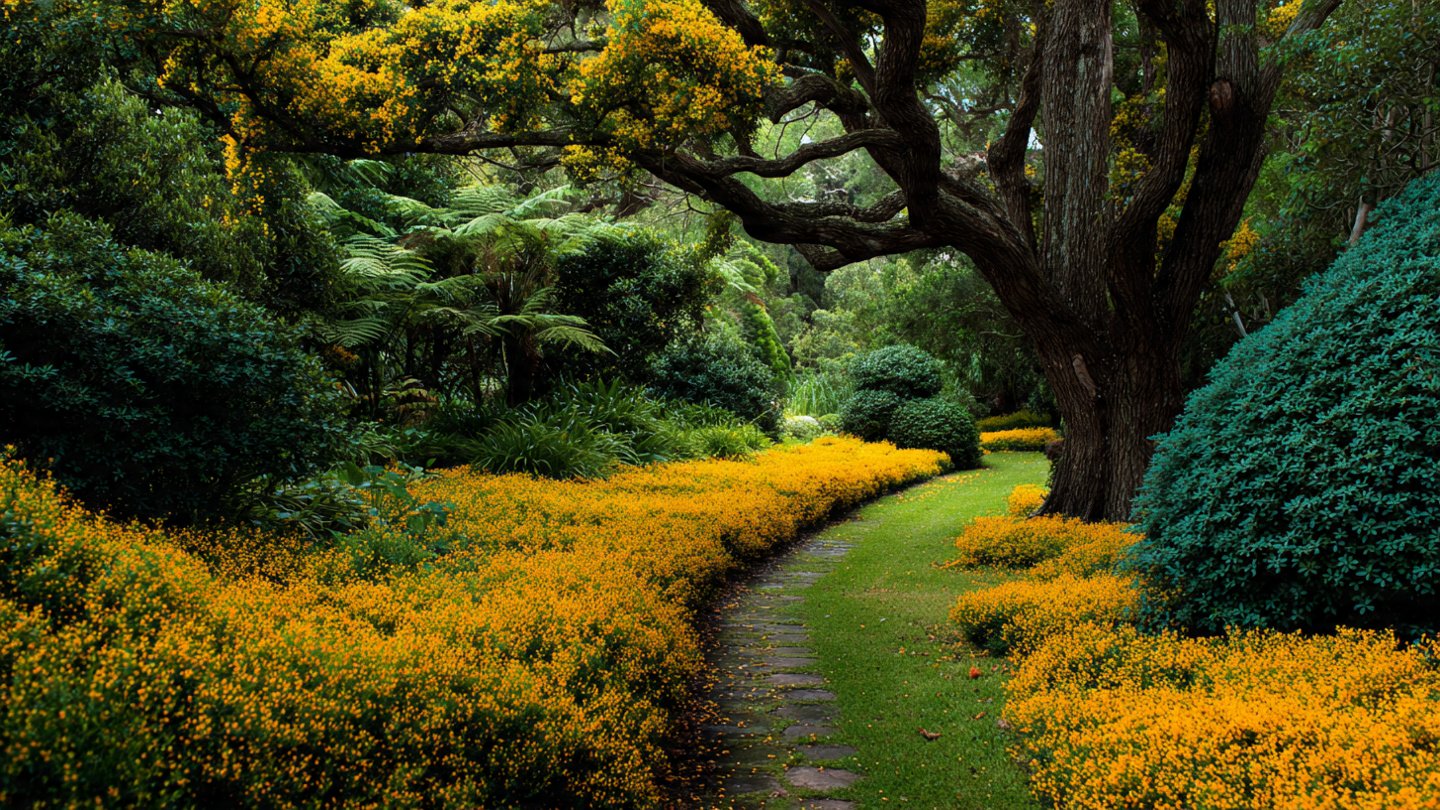
Golden Dewdrop (Duranta erecta) is a popular shrub known for its vibrant yellow flowers and lush green foliage. When cultivated as a hedge, it can create an eye-catching boundary that not only enhances aesthetic appeal but also provides privacy and shelter for your garden. This guide will walk you through everything you need to know about cultivating stunning Golden Dewdrop hedges.
Introduction to Golden Dewdrop
Golden Dewdrop is a flowering shrub that can grow up to 8 feet tall, although it is easily pruned to maintain a desired height. The plant is native to tropical and subtropical regions of the Americas. Its cheerful yellow flowers bloom in clusters, attracting butterflies and hummingbirds. It also boasts small, round berries that can be toxic to pets if ingested.
Benefits of Golden Dewdrop Hedges
- Aesthetics: The vibrant flowers and rich foliage create an appealing visual backdrop.
- Wildlife Attraction: The flowers attract various pollinators, making your garden a vibrant ecosystem.
- Privacy: A well-maintained hedge can provide a natural boundary for your property.
- Easy Maintenance: Golden Dewdrop is relatively low-maintenance once established.
Choosing the Right Location
Light Conditions
Golden Dewdrop thrives in full sun to partial shade. Ideally, choose a location that receives at least 6 hours of sunlight each day. While it can tolerate some shade, too little sunlight can lead to leggy growth and fewer blooms.
Soil Requirements
Golden Dewdrop is versatile in terms of soil, preferring well-draining soil rich in organic matter. You can enhance the soil quality by mixing in compost or well-rotted manure. Ensure that the soil pH is slightly acidic to neutral (6.0 to 7.0).
Space Considerations
When planting a hedge, consider the mature size of the Golden Dewdrop. Space plants about 3 to 5 feet apart to allow adequate air circulation and light penetration. This spacing also facilitates easier maintenance and harvesting.
Latest Posts
- Easy Steps to Successfully Grow Bhindi in Grow Bags at Home
- Easy Steps to Grow a Healthy Guava Bonsai at Home for Beginners
- How to Successfully Grow and Cultivate White Strawberry Plants at Home for Delicious and Unique Fruits
- Ultimate Guide to Successfully Growing Weeping Fig Outdoors with Proven Techniques and Expert Tips
- How to Successfully Grow Flemish Beauty Pear Trees in Canada for Optimal Harvest
- Easy Hack to Grow Strawberries Year Round in Your Home Garden for Delicious Harvests
- Growing Flemish Beauty Pears in Canada A Complete Guide for Local Gardens
- The Ultimate Guide to Growing Hibiscus Plants Year Round for Vibrant Blooms and Healthy Foliage
- Easy Ways to Boost the Growth Rate of Your Indoor Peace Lily for Lush Green Foliage
- How to Successfully Grow Oak Leaf Lettuce in Your Home Garden for Fresh and Flavorful Salads
Steps to Planting Golden Dewdrop Hedges
Step 1: Preparing the Soil
- Clear the Area: Remove any grass, weeds, or debris where the hedge will be planted.
- Soil Amendment: Test the soil pH if possible. Amend the soil with organic matter to improve texture and nutrient content.
- Tilling: Loosen the soil to a depth of about 12 inches to enhance drainage.
Step 2: Selecting and Sourcing Plants
- Nurture: You can either buy nursery plants or propagate from cuttings. If propagating, take cuttings from healthy plants and allow them to root in water or a soil medium.
- Nursery Quality: Ensure the plants are healthy, free from pests, and exhibit vibrant foliage.
Step 3: Planting
- Digging Holes: Create holes that are twice the width of the root ball and just deep enough to accommodate it without burying the crown.
- Positioning: Place each plant in the hole, ensuring that the top of the root ball is level with the surrounding soil.
- Backfilling: Fill the hole with soil, gently firming it around the base to eliminate air pockets. Water well after planting to settle the soil.
Care and Maintenance of Golden Dewdrop Hedges
Watering
- Initial Watering: Water thoroughly after planting.
- Routine Watering: During the establishment phase (first year), water 1-2 times a week, depending on weather conditions. Golden Dewdrop prefers evenly moist soil but can tolerate some drought once established.
Fertilization
Feed your Golden Dewdrop hedge with a balanced fertilizer during the growing season. A slow-release formula, such as a 10-10-10 fertilizer, is often most effective. Follow the package directions for application rates.
Pruning
Regular pruning helps maintain the desired shape, encourages new growth, and promotes flowering.
- When to Prune: Early spring is the best time for light pruning, while more intensive pruning can be done after flowering.
- Techniques: Use sharp shears to make clean cuts. Remove dead or damaged branches, and thin out overcrowded sections to improve airflow.
Pest and Disease Management
Golden Dewdrop is relatively pest-resistant. However, watch for the following common pests:
- Spider Mites: Look for webbing on leaves; insecticidal soap or neem oil can help manage infestations.
- Aphids: Typically appear in clusters on new growth; a strong stream of water or insecticidal soap can remove them.
Diseases are rare but can include:
- Root Rot: Caused by overly wet soil; ensure your hedge has good drainage.
Mulching
Applying a layer of mulch around the base of the hedge helps retain moisture, suppress weeds, and regulate soil temperature. Organic mulches like wood chips or shredded bark work well, but keep the mulch a few inches away from the plant’s crown to prevent rot.
Fall and Winter Care
As Golden Dewdrop is more sensitive to cold, protecting your hedge in winter is essential, especially in cooler climates. Instead of harsh frost, look to cover the base with mulch or burlap to insulate the roots. If you are in a colder area, consider bringing potted specimens indoors during freezing temperatures.
Additional Tips for a Stunning Hedge
- Interplanting: Consider interspersing other flowering plants or low-maintenance foliage to enhance the visual appeal of your hedge.
- Bordering: Use low-growing plants along the front of the hedge for an attractive layered effect.
- Seasonal Interest: Plan for different seasonal bloom times and foliage colors for year-round excitement.
FAQs
What are the optimal growing conditions for Golden Dewdrop?
Golden Dewdrop thrives in full sun to partial shade and prefers well-draining soil that is rich in organic matter.

How fast does Golden Dewdrop grow?
Golden Dewdrop can grow 2-3 feet per year under optimal conditions.
Is Golden Dewdrop deer-resistant?
While no plant is entirely deer-proof, Golden Dewdrop is generally unappealing to deer due to its slightly toxic berries.
Can I propagate Golden Dewdrop from cuttings?
Yes, you can propagate Golden Dewdrop by taking cuttings from healthy plants and rooting them in soil or water.
Are Golden Dewdrop berries toxic?
Yes, Golden Dewdrop berries can be toxic if ingested by pets and even children. Keep this in mind when planting in areas frequented by curious pets or children.

How often should I prune my hedge?
Pruning should be done annually in early spring for shaping and after flowering for more intensive cuts.
Is Golden Dewdrop suitable for all climates?
Golden Dewdrop flourishes in USDA zones 9-11. In colder climates, it may need winter protection or should be grown as an annual or in pots.
Cultivating a hedgerow of stunning Golden Dewdrop plants can transform your garden into a visually captivating space while providing a haven for local wildlife. By following the steps outlined in this guide, you can create an eye-catching, low-maintenance hedge that adds beauty and practicality to your outdoor sanctuary. Happy gardening!