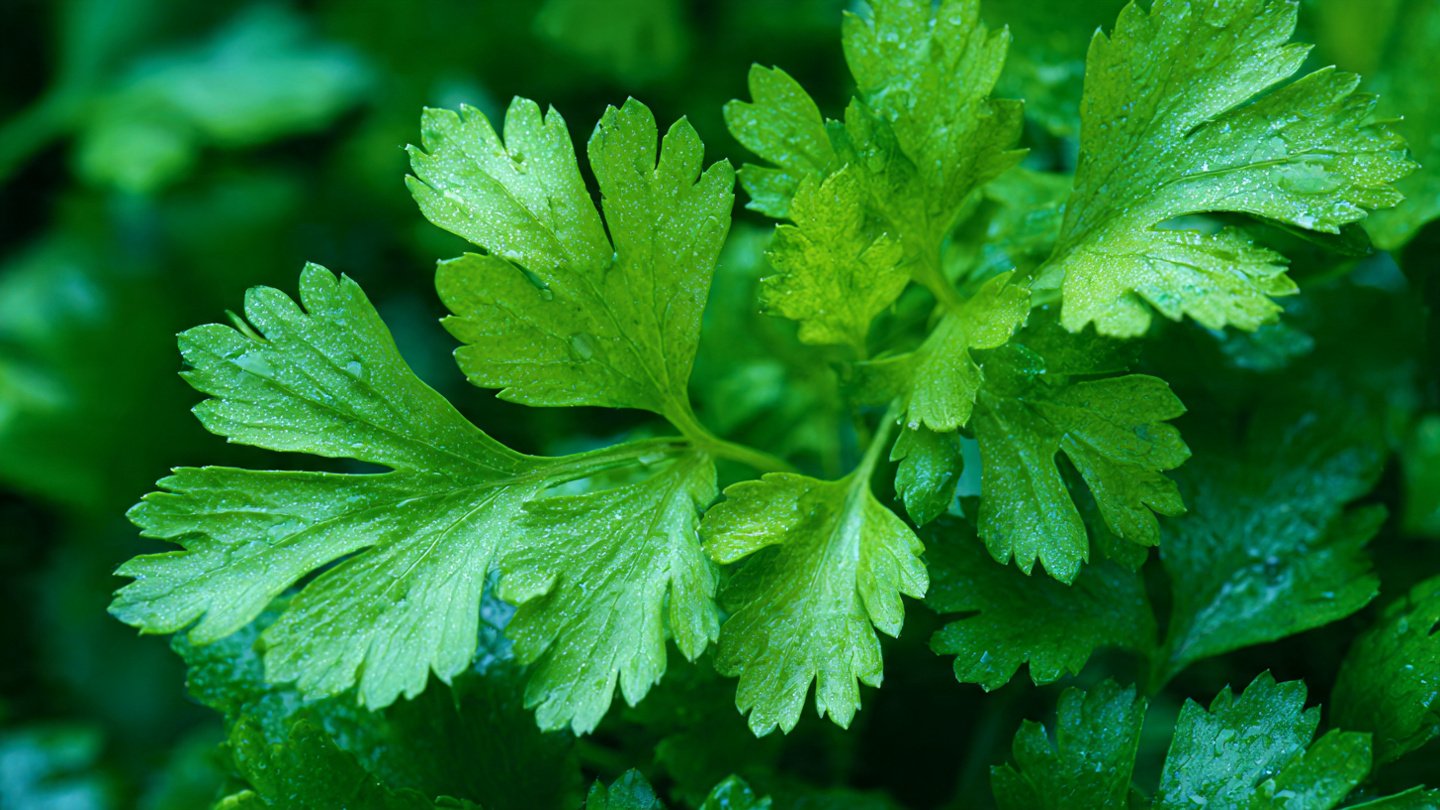
Gardening enthusiasts and culinary aficionados alike often seek the diverse flavors of herbs to elevate their dishes. One herb that has gained popularity in homes around the world is coriander, particularly the Slow Bolt variety. Renowned for its robust flavor profile and versatility, this herb is perfect for adding depth to various recipes. This guide aims to help you cultivate Slow Bolt coriander successfully, ensuring you have a bountiful harvest to enhance your culinary creations.
Understanding Coriander
Coriander (Coriandrum sativum), also known as cilantro, is an annual herb native to regions of Europe, Asia, and Africa. Its leaves and seeds are used for culinary purposes, but many gardeners shy away from growing it due to its tendency to bolt in hot weather. The Slow Bolt variety was specifically bred to delay this process, allowing gardeners to enjoy fresh foliage for a longer period.
Latest Posts
- Easy Steps to Successfully Grow Bhindi in Grow Bags at Home
- Easy Steps to Grow a Healthy Guava Bonsai at Home for Beginners
- How to Successfully Grow and Cultivate White Strawberry Plants at Home for Delicious and Unique Fruits
- Ultimate Guide to Successfully Growing Weeping Fig Outdoors with Proven Techniques and Expert Tips
- How to Successfully Grow Flemish Beauty Pear Trees in Canada for Optimal Harvest
- Easy Hack to Grow Strawberries Year Round in Your Home Garden for Delicious Harvests
- Growing Flemish Beauty Pears in Canada A Complete Guide for Local Gardens
- The Ultimate Guide to Growing Hibiscus Plants Year Round for Vibrant Blooms and Healthy Foliage
- Easy Ways to Boost the Growth Rate of Your Indoor Peace Lily for Lush Green Foliage
- How to Successfully Grow Oak Leaf Lettuce in Your Home Garden for Fresh and Flavorful Salads
Characteristics of Slow Bolt Coriander
- Flavor: The Slow Bolt variety offers a milder, less bitter taste than other coriander types, making it a favorite among chefs.
- Growth Habit: This variety generally grows taller and more prolific than standard varieties, producing lush green foliage and a higher yield of seeds.
- Resilience: As the name suggests, it is less prone to bolting, enabling a longer growing season.
Cultivation Requirements
To successfully grow Slow Bolt coriander, consider the following aspects of its cultivation:
1. Choosing the Right Location
Coriander thrives in well-draining soil and requires a sunny location, ideally receiving 6-8 hours of sunlight per day. A spot that receives partial shade during the hottest part of the day can prevent bolting, especially in warmer climates.
2. Soil Preparation
Coriander prefers light, loamy soil rich in organic matter. Here’s how to prepare your garden bed:
- Testing Soil: Use a soil test kit to check the pH (ideal range is between 6.2 and 6.8) and nutrient levels.
- Amending Soil: If the soil is too acidic or alkaline, amend it with lime or sulfur as necessary. Incorporate compost or well-rotted manure to enhance nutrient content and drainage.
3. Planting Techniques
Coriander can be sown directly into the garden bed or started in containers. Here’s a step-by-step guide:
- Seed Selection: Choose high-quality Slow Bolt coriander seeds from a trusted supplier.
- Sowing Directly: Plant seeds about 1/4 inch deep and spaced 1-2 inches apart.
- Starting Indoors: If you’re in a cooler climate, start seeds indoors 4-6 weeks before the last frost date, then transplant them outside when ready.
4. Watering and Fertilization
Watering and fertilizing are crucial to successful coriander growth:
- Watering: Coriander prefers consistent moisture but not soggy soil. Water weekly, increasing frequency in hotter months.
- Fertilization: Apply a balanced, water-soluble fertilizer every 4-6 weeks to support growth. Avoid excessive nitrogen, as it can lead to lush foliage but diminishes flavor.
5. Pest and Disease Management
Like all plants, Slow Bolt coriander can be susceptible to pests and diseases:
- Common Pests: Aphids, spider mites, and whiteflies can damage coriander. Use insecticidal soap or neem oil to treat infestations.
- Diseases: Fungal diseases like powdery mildew can occur in humid conditions. Ensure good airflow between plants and avoid overhead watering to minimize risks.
6. Harvesting Techniques
Harvesting your Slow Bolt coriander correctly ensures optimal flavor:

- Timing: Begin harvesting leaves once they are large enough to use, typically 4-6 weeks after planting.
- Method: Use scissors or garden shears to cut leaves, ensuring you leave some at the base to promote further growth.
- Seed Harvesting: If you want to collect seeds, allow the flowers to bloom and develop for several weeks, then harvest when they turn brown.
Culinary Uses for Slow Bolt Coriander
Coriander leaves and seeds can both be incorporated into a variety of dishes:
1. Fresh Leaves
- Salads: Use coriander leaves in salads to add freshness and vibrant flavor.
- Salsas: The herb enhances textures and tastes in fresh salsas; combine with tomatoes, onions, and lime juice.
- Garnishes: Sprinkle chopped leaves on soups, stews, or curries before serving for a burst of color and flavor.
2. Dried Seeds
- Spices: Dried coriander seeds can be ground into a powder or used whole in spicy dishes, marinades, and pickles.
- Baking: Add coriander seeds to baked goods for a fragrant, unique twist.

Best Practices for Long-Term Success
To ensure your Slow Bolt coriander thrives over time, adopt these best practices:
- Succession Planting: For a continuous supply, sow new seeds every few weeks.
- Companion Planting: Coriander grows well with many plants, including carrots, onions, and peppers, helping deter pests.
- Rotating Crops: Like other herbs, rotating your coriander with different crops each season improves soil health and reduces disease risk.
FAQs
1. How do I prevent my coriander from bolting?
To minimize bolting, ensure your plants receive adequate water, avoid planting during peak summer heat, and choose a location that offers some shade during hot afternoons.
2. What is the best climate for growing Slow Bolt coriander?
Slow Bolt coriander thrives best in moderate climates with temperatures between 60°F-75°F (15°C-24°C). However, it can be grown in warmer regions with proper care.
3. Can I grow coriander indoors?
Yes! You can grow Slow Bolt coriander indoors in pots with suitable soil mix and adequate sunlight. Ensure good drainage and maintain consistent moisture.
4. How often should I water coriander?
Water your coriander about once a week, increasing the frequency during particularly hot spells. The soil should be kept moist, but not waterlogged.
5. When can I expect to harvest my coriander?
You can start harvesting coriander leaves about 4-6 weeks after planting when the leaves are mature enough to use. Seeds should be harvested when they turn brown and dry.
6. How do I store fresh coriander?
Store fresh coriander in the refrigerator, either wrapped in a damp paper towel and placed in a plastic bag or in a jar of water covered loosely with a plastic bag. This can help keep the leaves fresh for a longer period.
Conclusion
Cultivating Slow Bolt coriander in your home garden not only allows you to create a flavorful culinary experience but also offers a rewarding gardening endeavor. With the right care and knowledge, you can enjoy fresh coriander leaves and seeds that enhance your dishes all year round. Whether you’re a seasoned gardener or a beginner, this diverse herb can easily become a staple in your home. Happy gardening!