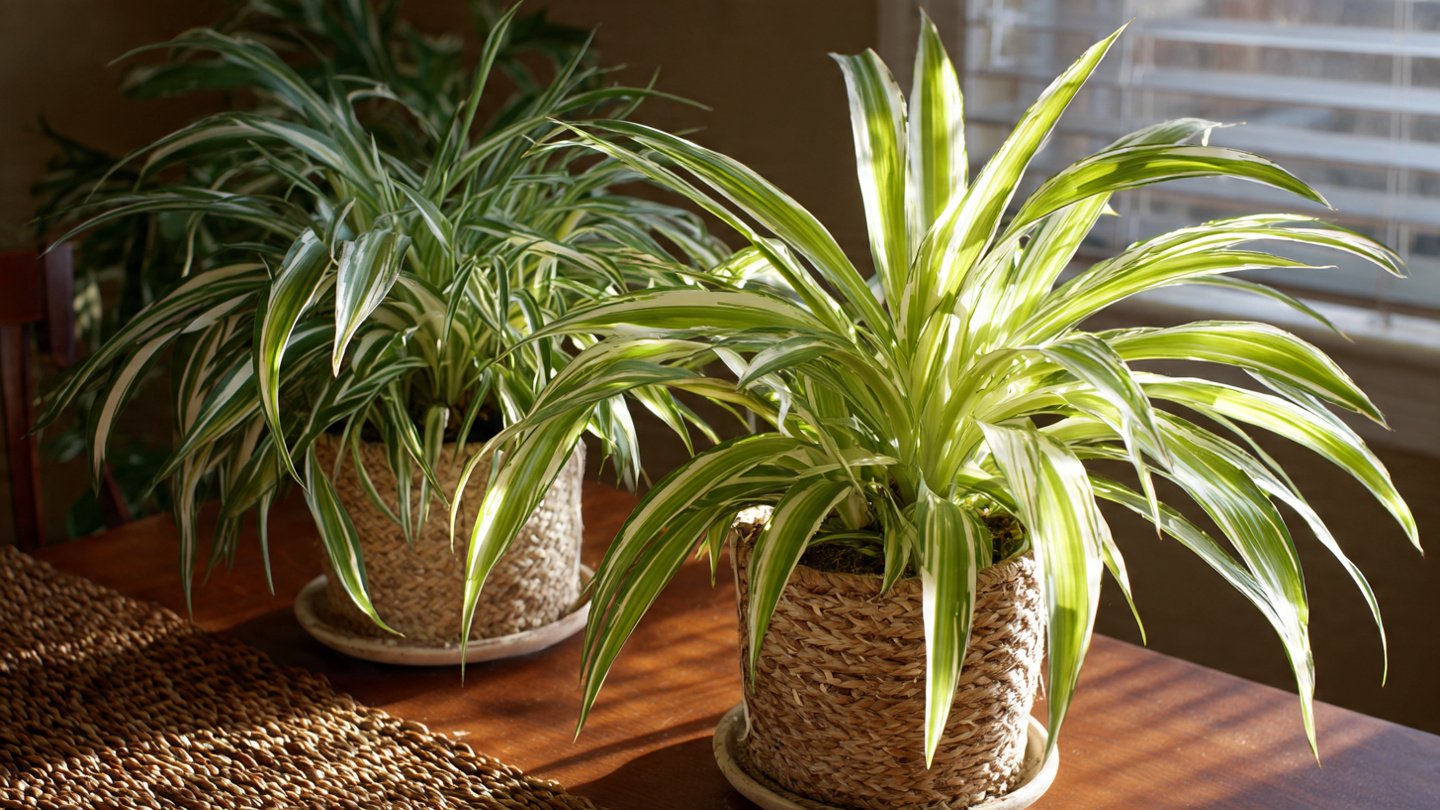
The variegated spider plant, with its striking green and white leaves, is a favorite among indoor gardeners. Not only does it add a vibrant touch to your living space, but this resilient plant is also relatively easy to care for. Whether you’re a seasoned plant enthusiast or just starting your indoor garden, this guide will help you successfully grow variegated spider plants indoors, ensuring lush greenery and beautiful foliage.
Understanding the Variegated Spider Plant
Origins and Characteristics
Latest Posts
- Easy Steps to Successfully Grow Bhindi in Grow Bags at Home
- Easy Steps to Grow a Healthy Guava Bonsai at Home for Beginners
- How to Successfully Grow and Cultivate White Strawberry Plants at Home for Delicious and Unique Fruits
- Ultimate Guide to Successfully Growing Weeping Fig Outdoors with Proven Techniques and Expert Tips
- How to Successfully Grow Flemish Beauty Pear Trees in Canada for Optimal Harvest
- Easy Hack to Grow Strawberries Year Round in Your Home Garden for Delicious Harvests
- Growing Flemish Beauty Pears in Canada A Complete Guide for Local Gardens
- The Ultimate Guide to Growing Hibiscus Plants Year Round for Vibrant Blooms and Healthy Foliage
- Easy Ways to Boost the Growth Rate of Your Indoor Peace Lily for Lush Green Foliage
- How to Successfully Grow Oak Leaf Lettuce in Your Home Garden for Fresh and Flavorful Salads
The variegated spider plant (Chlorophytum comosum ‘Variegatum’) is a variant of the classic spider plant, which originates from South Africa. This species is known for its long, arching leaves, which boast a striking white or cream edge coloring. The spider plant is also famous for its ability to produce “pups” or offshoots, contributing to its easy propagation.
Benefits of Growing Spider Plants Indoors
- Air Purification: Spider plants are known to remove harmful toxins from the air, making them a great addition to your home.
- Low Maintenance: They require minimal care, making them ideal for busy schedules or for those inexperienced in plant care.
- Aesthetic Appeal: Their unique variegated leaves can enhance any interior, acting as a natural decor element.
Choosing the Right Environment
1. Lighting Conditions
Variegated spider plants thrive in bright, indirect sunlight. Too much direct sunlight can scorch their leaves, while too little light can hinder their growth. A north or east-facing window is ideal. If your home lacks sufficient natural light, consider using grow lights.
2. Temperature and Humidity

These plants prefer temperatures between 65°F to 75°F (18°C to 24°C). They are sensitive to cold drafts, so ensure they are not positioned near exterior doors or air conditioning vents. Regarding humidity, spider plants can tolerate low humidity, but they flourish in moderate humidity levels. If your home is particularly dry, consider misting the leaves occasionally or using a humidifier.
3. Choosing the Right Pot
Select a pot with drainage holes to prevent waterlogging. A standard potting mix works well, but consider adding perlite or sand to improve drainage. Spider plants prefer to be slightly root-bound; thus, they don’t require frequent repotting.
Watering Techniques
1. Establishing a Watering Schedule
Spider plants prefer to dry out between waterings. A good rule of thumb is to water them when the top inch of the soil feels dry. Overwatering can lead to root rot, so it’s better to err on the side of caution.
2. Water Quality
Spider plants are sensitive to chlorine and fluoride present in tap water. If possible, use filtered or distilled water. Alternatively, let tap water sit out for 24 hours to allow chemicals to dissipate.
Fertilizing Your Spider Plant
1. Choosing a Fertilizer
Use a balanced, water-soluble fertilizer diluted to half strength. A fertilizer high in nitrogen promotes lush foliage necessary for variegated varieties.
2. Frequency of Feeding
During the growing season (spring and summer), fertilize every 4-6 weeks. In the fall and winter, reduce feeding as the plant’s growth slows.
Pruning and Maintenance
1. Regular Pruning
Prune dead or yellowing leaves to maintain appearance and promote growth. Use clean, sharp scissors to avoid injury to the plant.
2. Managing Pups
Variegated spider plants produce “pups” that can be repotted and propagated. When pups are about 3-4 inches tall, you can separate them from the mother plant and pot them in their containers.
Dealing with Common Pests
Spider plants are generally resilient but can be susceptible to pests such as aphids, spider mites, and mealybugs.
1. Identification and Treatment
-
Aphids: Small greenish insects that cluster on new growth. Use insecticidal soap or neem oil for treatment.
-
Spider Mites: Small, spider-like creatures that cause stippling on leaves. Increase humidity or use sprays to control them.

-
Mealybugs: White cottony masses found on leaves and stems. Treat with neem oil or isopropyl alcohol.
Propagation Methods
1. Offshoots or Pups
As mentioned, spider plants produce offshoots. To propagate, follow these steps:
- Wait until pups develop roots (about 3-4 inches tall).
- Cut the pup from the parent plant.
- Pot it in a small planter with fresh potting mix.
2. Division
You can also propagate by dividing the root ball during repotting. Ensure each section has healthy roots and foliage before replanting.
Troubleshooting Common Issues
1. Browning Leaf Tips
Browning leaf tips may indicate underwatering, low humidity, or excess salts from fertilizer. Adjust your watering schedule and consider leaching the soil by watering thoroughly to flush out salts.

2. Yellowing Leaves
Yellow leaves often signal overwatering or inadequate light. Assess your watering habits and reposition the plant if necessary.
3. Stunted Growth
If the plant appears stunted, check for root-bound conditions. If the pot is crowded, consider repotting.
FAQs
1. How often should I water my variegated spider plant?
Water when the top inch of soil feels dry. Generally, spider plants need water every 1-2 weeks, depending on environmental conditions.
2. Can spider plants grow in low light?
While they prefer bright, indirect sunlight, spider plants can tolerate low light, but growth may slow down.
3. Are spider plants toxic to pets?
No, spider plants are non-toxic to both cats and dogs, making them safe choices for homes with pets.

4. How do I know if my spider plant needs repotting?
If you notice roots protruding from the drainage holes or stagnant growth, it may be time to repot your spider plant.
5. What should I do if my spider plant is producing fewer pups?
This can happen due to stress, inadequate light, or over-fertilization. Ensure the plant is in optimal conditions and give it time to recover.
6. What is the best way to fertilize my spider plant?
Use a balanced, water-soluble fertilizer at half strength every 4-6 weeks during the growing season (spring and summer).
7. How do I increase humidity for my spider plant?
You can increase humidity by misting the leaves, placing a tray of water near the plant, or using a humidifier.
Conclusion
Growing variegated spider plants indoors can bring a lush feel to your home while providing an enjoyable gardening experience. By understanding their needs regarding light, temperature, water, and feeding, you’ll cultivate vibrant, healthy plants. With minimal effort, your indoor space can flourish with the beauty of these stunning green and white foliage. Enjoy the lush greenery and take pride in nurturing your variegated spider plant!