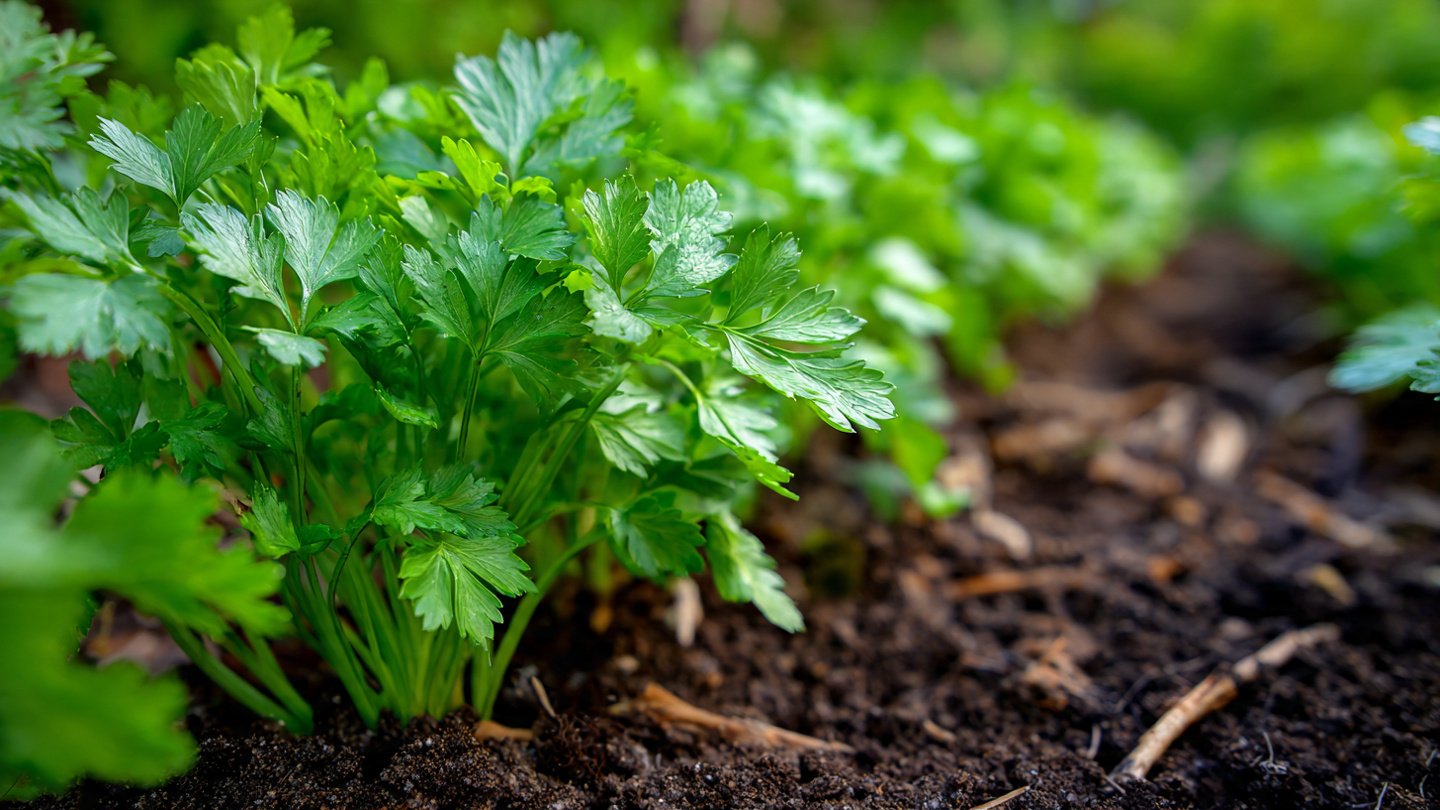
Coriander, known as cilantro in the United States, is a versatile herb prized for its distinct flavor and aromatic properties. Among the various varieties available, the Slow Bolt variety of coriander stands out, especially for home gardeners seeking to enjoy a longer harvesting period. This guide will provide you with a comprehensive overview of cultivating Slow Bolt coriander in your home garden, ensuring that you have ample supply for your culinary adventures.
Understanding Coriander: A Brief Overview
Coriander (Coriandrum sativum) is an annual herb belonging to the Apiaceae family. The plant exhibits a unique profile of flavors: its leaves, commonly known as cilantro, offer a fresh, citrusy taste, while its seeds provide warm, earthy notes commonly found in spice blends. The Slow Bolt variety is specifically bred to withstand extreme conditions, delaying the plant’s natural tendency to produce flowers (bolting) and allowing for a more extended harvesting period.
Latest Posts
- Easy Steps to Successfully Grow Bhindi in Grow Bags at Home
- Easy Steps to Grow a Healthy Guava Bonsai at Home for Beginners
- How to Successfully Grow and Cultivate White Strawberry Plants at Home for Delicious and Unique Fruits
- Ultimate Guide to Successfully Growing Weeping Fig Outdoors with Proven Techniques and Expert Tips
- How to Successfully Grow Flemish Beauty Pear Trees in Canada for Optimal Harvest
- Easy Hack to Grow Strawberries Year Round in Your Home Garden for Delicious Harvests
- Growing Flemish Beauty Pears in Canada A Complete Guide for Local Gardens
- The Ultimate Guide to Growing Hibiscus Plants Year Round for Vibrant Blooms and Healthy Foliage
- Easy Ways to Boost the Growth Rate of Your Indoor Peace Lily for Lush Green Foliage
- How to Successfully Grow Oak Leaf Lettuce in Your Home Garden for Fresh and Flavorful Salads
Why Choose Slow Bolt Coriander?
-
Extended Harvest: Slow Bolt coriander can take up to three weeks longer to flower compared to standard varieties, giving gardeners more time to enjoy the flavorful leaves.
-
Flavorful Leaves: Many gardeners attest that the Slow Bolt variety produces leaves with a more robust flavor, ideal for various dishes.
-
Heat Tolerance: This variety is bred to withstand heat, making it suitable for warmer climates where traditional coriander may bolt prematurely.
Getting Started: Preparing Your Garden for Slow Bolt Coriander
Soil Requirements
Coriander thrives in well-drained, fertile soil rich in organic matter. Follow these steps to prepare your soil:
-
Test pH: Ideally, the soil pH should range between 6.0 to 6.8. You can use a home testing kit to assess your soil’s pH level.
-
Improve Soil Quality: Mix in compost or well-rotted manure to enhance nutrient content and improve drainage.
-
Till the Soil: Loosen the soil to a depth of about 12 inches to ensure good root development.
Selecting a Planting Site
Opt for a location that receives full sun (at least 6-8 hours a day). While coriander can tolerate partial shade, too much shade will inhibit growth and flavor.
Planting Slow Bolt Coriander
When to Plant
The best time to plant Slow Bolt coriander depends significantly on your climate:
- Cool Climate: Sow seeds in early spring, after the last frost.
- Warm Climate: Consider a fall planting to avoid extreme summer heat.
Sowing Seeds
-
Spacing: Plant seeds about 1/4-inch deep and 2 inches apart in rows spaced 12-18 inches apart.
-
Water: Water the area gently after planting, ensuring the soil remains moist but not waterlogged.
-
Thinning: Once seedlings emerge, thin them to every 6 inches to prevent overcrowding, allowing each plant ample space to grow.

Care and Maintenance
Watering
Coriander prefers consistent moisture, especially during germination. Regular watering is crucial, particularly in hot weather. Aim for about an inch of water per week:
- Soil Check: Stick your finger into the soil; if it feels dry to the touch beyond the first knuckle, it’s time to water.
Fertilization
Fertilizing your Slow Bolt coriander is essential to promote healthy growth.
-
Initial Fertilization: Incorporate a balanced, slow-release fertilizer when preparing the soil.
-
Mid-Season Boost: A liquid organic fertilizer can be applied every four weeks during the growing season.
Weeding and Mulching
Weeds can compete with slow bolt coriander for nutrients. Regularly check your garden for weeds and remove them by hand or with a hoe. Applying a layer of organic mulch can help suppress weed growth and maintain soil moisture.
Pest and Disease Management
Common Pests
While coriander is relatively pest-resistant, you may encounter:

-
Aphids: Small, sap-sucking insects. Use insecticidal soap or neem oil for treatment.
-
Caterpillars: Handpick any visible caterpillars or use row covers to prevent them from reaching the plants.
Diseases
Coriander can be susceptible to fungal diseases such as root rot, particularly if overwatered. To prevent this:
-
Water Early: Water your plants early in the day to ensure foliage dries before evening.
-
Proper Spacing: Ensure proper spacing between plants for good air circulation.
Harvesting Slow Bolt Coriander
When to Harvest
You can start harvesting coriander leaves as soon as they are large enough to use, usually around 4-6 weeks after sowing. The best time to pick is in the morning when the leaves are crisp and full of flavor.
How to Harvest
-
Selective Harvesting: Instead of harvesting the entire plant, pick the outer leaves to encourage further growth.

-
Cutting Technique: Use clean, sharp shears or scissors to cut the leaves, avoiding damage to the main stem.
Culinary Uses of Coriander
The versatility of Slow Bolt coriander makes it an excellent addition to various dishes:
-
Fresh Salads: Add chopped leaves to salads for a burst of flavor.
-
Salsas and Dips: Incorporate coriander in homemade salsa or guacamole for added freshness.
-
Soups and Stews: Stir in fresh leaves just before serving for a touch of herbal goodness.
-
Garnishing: Use coriander leaves as a garnish for Asian-inspired dishes, curries, or tacos.
-
Coriander Seeds: Let some plants flower and produce seeds, which can be harvested and ground into a spice for cooking.
FAQs
1. How long does it take for Slow Bolt coriander to grow?
Slow Bolt coriander typically takes 60-75 days from planting to maturity, depending on environmental conditions.

2. Can I grow coriander in containers?
Yes, coriander can be successfully grown in containers. Ensure the pot has good drainage and use a high-quality potting mix.
3. How do I know if my coriander is bolting?
When your coriander plant begins to form flower stalks, this indicates it’s bolting. At this stage, the leaves may become more bitter, but you can still harvest seeds for use.
4. Can I grow coriander indoors?
Coriander can be grown indoors, but it requires a sunny window or grow lights to thrive. Ensure the container has adequate drainage.
5. What should I do if my coriander plants attract pests?
You can use organic pest control methods like insecticidal soap or neem oil to address pest problems effectively.
6. How can I store fresh coriander?
Fresh coriander can be stored in the refrigerator in a plastic bag for up to a week. For long-term storage, consider freezing the leaves or making a pesto-like sauce.
7. How often should I water my coriander?
Water coriander regularly to keep the soil consistently moist but not soggy. A good rule of thumb is to water once a week unless the weather is particularly hot or dry.
Conclusion
Cultivating Slow Bolt coriander in your home garden is an enriching experience, both for the gardener and the palate. By following the outlined steps, you can enjoy a bountiful harvest of this beloved herb, enhancing your culinary creations with its bright flavor. With proper care and attention, your Slow Bolt coriander will thrive, providing fresh, aromatic leaves for months to come. Happy gardening!