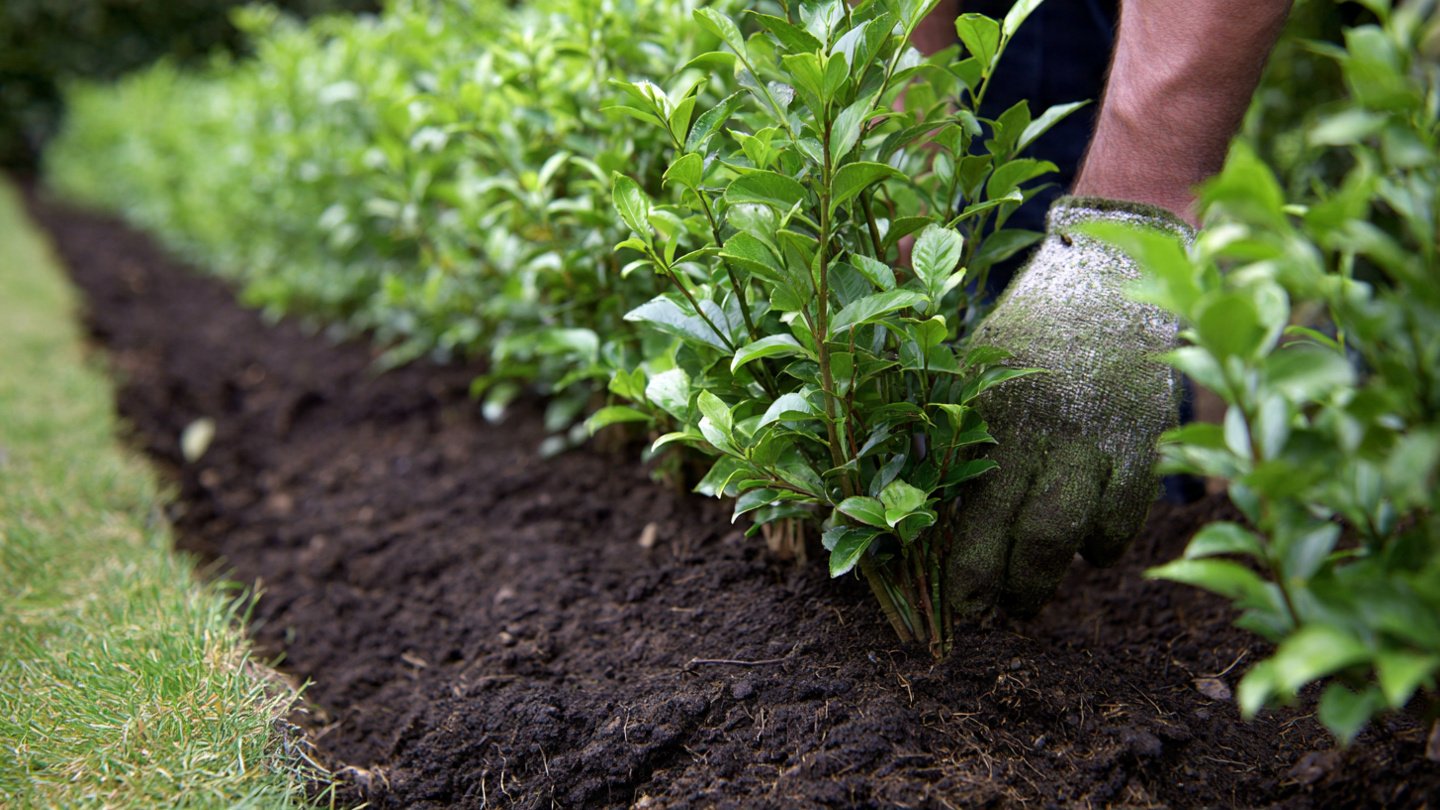
Privet hedges have long been a preferred choice for homeowners and landscapers looking to create privacy, structure, and beauty in their outdoor spaces. This highly adaptable shrub can grow into a thick, lush hedge that not only enhances landscapes but also provides excellent windbreaks and noise reduction. In this comprehensive guide, we will explore effective strategies for growing a healthy privet hedge, along with a step-by-step process to ensure optimal growth and health.
Understanding Privet Hedges
What is Privet?
Latest Posts
- Easy Steps to Successfully Grow Bhindi in Grow Bags at Home
- Easy Steps to Grow a Healthy Guava Bonsai at Home for Beginners
- How to Successfully Grow and Cultivate White Strawberry Plants at Home for Delicious and Unique Fruits
- Ultimate Guide to Successfully Growing Weeping Fig Outdoors with Proven Techniques and Expert Tips
- How to Successfully Grow Flemish Beauty Pear Trees in Canada for Optimal Harvest
- Easy Hack to Grow Strawberries Year Round in Your Home Garden for Delicious Harvests
- Growing Flemish Beauty Pears in Canada A Complete Guide for Local Gardens
- The Ultimate Guide to Growing Hibiscus Plants Year Round for Vibrant Blooms and Healthy Foliage
- Easy Ways to Boost the Growth Rate of Your Indoor Peace Lily for Lush Green Foliage
- How to Successfully Grow Oak Leaf Lettuce in Your Home Garden for Fresh and Flavorful Salads
Privet, primarily referred to as Ligustrum, is a genus of flowering plants that belong to the Oleaceae family. Known for their glossy green leaves and dense growth habit, privets are deciduous or semi-evergreen shrubs that thrive in various environments. Popular species include the Japanese privet (Ligustrum japonicum) and the common privet (Ligustrum vulgare).
Why Choose Privet?
- Fast Growth: Privets grow quickly, establishing a solid hedge within a few years.
- Versatile: They can be shaped into formal hedges, topiaries, or left to grow naturally.
- Drought and Pollution Tolerance: Privet is resilient in various climates, making it suitable for urban and suburban settings.
- Wildlife Habitat: Provides food and shelter for birds and beneficial insects.
Step-by-Step Guide to Growing a Lush Privet Hedge
Step 1: Selecting the Right Location
Choosing an appropriate site is vital for optimal growth. Consider the following factors:
- Sunlight: Privets prefer full sun to partial shade. Aim for 6-8 hours of sunlight daily.
- Soil Type: Well-draining soil rich in organic matter will promote healthy growth. While privets are adaptable, they perform best in slightly acidic to neutral pH levels (6.0 to 7.5).
- Space: Ensure there’s adequate room for the hedge to grow without overcrowding surrounding plants.

Step 2: Preparing the Soil
Before planting, take time to prepare the soil adequately:
- Testing Soil pH: Use a soil test kit to check the pH level and nutrient content.
- Amending Soil: If the soil is overly acidic or lacking nutrients, amend it with lime or compost.
- Tilling: Loosen the soil to a depth of 12 inches to enhance aeration and drainage.
Step 3: Choosing the Right Privet Variety
Selecting the appropriate privet variety is crucial depending on your climate and aesthetic preferences. Some popular varieties are:
- Ligustrum japonicum (Japanese Privet): Evergreen with glossy leaves.
- Ligustrum vulgare (Common Privet): Deciduous, known for its height and density.
- Ligustrum ovalifolium (California Privet): Hardy and adaptable to different environments.
Step 4: Planting the Privet**

The right planting technique sets the foundation for your hedge’s future:
- Spacing: Plant privets 2-3 feet apart for a dense hedge. For informal hedges, increase the spacing to 3-4 feet.
- Depth: Dig holes twice the width of the root ball and slightly deeper than the root system.
- Placement: Place the privet in the holes ensuring the top of the root ball is level with the soil surface.
Step 5: Watering
Proper watering is essential, especially during the first few growing seasons:
- Initial Watering: Water immediately after planting and keep the soil moist but not waterlogged during the first few weeks.
- Established Hedges: Once established, privets are quite drought-resistant; however, deep watering during dry spells will enhance growth.
Step 6: Fertilizing
Fertilize to promote healthy growth:
- Type of Fertilizer: Use a balanced, slow-release fertilizer formulated for shrubs. Organic options like compost or well-rotted manure can also be beneficial.
- Timing: Fertilize in early spring and again in late summer.

Step 7: Pruning and Shaping
Regular pruning encourages a thicker, healthier hedge:
- When to Prune: Prune in late winter or early spring before new growth begins, or after flowering for deciduous varieties.
- How to Prune: Use sharp shears to trim the tops and sides evenly. Aim to remove about one-third of the growth to encourage bushiness.
- Creating Shapes: For formal hedges, maintain a consistent height and width by regular trimming.
Step 8: Pest and Disease Management
Effective pest and disease management ensures the longevity of your hedge:
- Common Pests: Watch for aphids, scale insects, and spider mites. Treat infestations with insecticidal soap or neem oil.
- Diseases: Privets can be susceptible to leaf spot and powdery mildew. Ensure proper ventilation and avoid overhead watering to prevent these issues.
Step 9: Mulching
Applying mulch benefits the hedge by retaining moisture and suppressing weeds:
- Type of Mulch: Use organic materials like wood chips, bark, or straw.
- Thickness: Apply a 2-3 inch layer around the base of the plants, being careful not to pile it directly against the stems.

Step 10: Seasonal Care
Seasonal care is crucial for your hedge’s health:
- Fall Care: In late fall, check for any dead or damaged branches and prune them back.
- Winter Protection: If you live in colder climates, consider wrapping the base with burlap to protect against frost.
FAQs
Q1: How fast does privet grow?
Privet hedges typically grow 1-2 feet per year, depending on the species and environmental conditions.
Q2: Can I grow a privet hedge in shady areas?
While privets can tolerate partial shade, they perform best in full sun. Insufficient sunlight may result in spindly growth.
Q3: How often should I prune my hedge?
Prune your privet hedge at least once a year to maintain its shape and encourage bushiness.
Q4: Do privets attract wildlife?

Yes, privet hedges provide food and shelter for various birds and beneficial insects like bees.
Q5: Are privet hedges invasive?
Certain privet species, such as the common privet, can be invasive in some regions. Always check local guidelines before planting.
Q6: How do I manage pests on my privet hedge?
Regularly inspect for pests and treat infestations with organic pest control methods such as insecticidal soap or neem oil.
Q7: What is the best time of year to plant privet?
The best time to plant privet is during the spring or fall when temperatures are mild and moisture is adequate.
Q8: Can privets be grown in containers?
Yes, privets can be grown in containers, but they require regular watering and appropriate-sized pots to accommodate growth.
Conclusion
Growing a lush privet hedge is an effective way to enhance your landscape, providing privacy, beauty, and habitat for wildlife. With the right location, care, and maintenance, a privet hedge can thrive, becoming both an aesthetic and functional part of your outdoor space. By following the steps outlined in this guide and addressing common concerns through the FAQs, you’ll be well-equipped to cultivate a flourishing privet hedge that enhances your home for years to come.