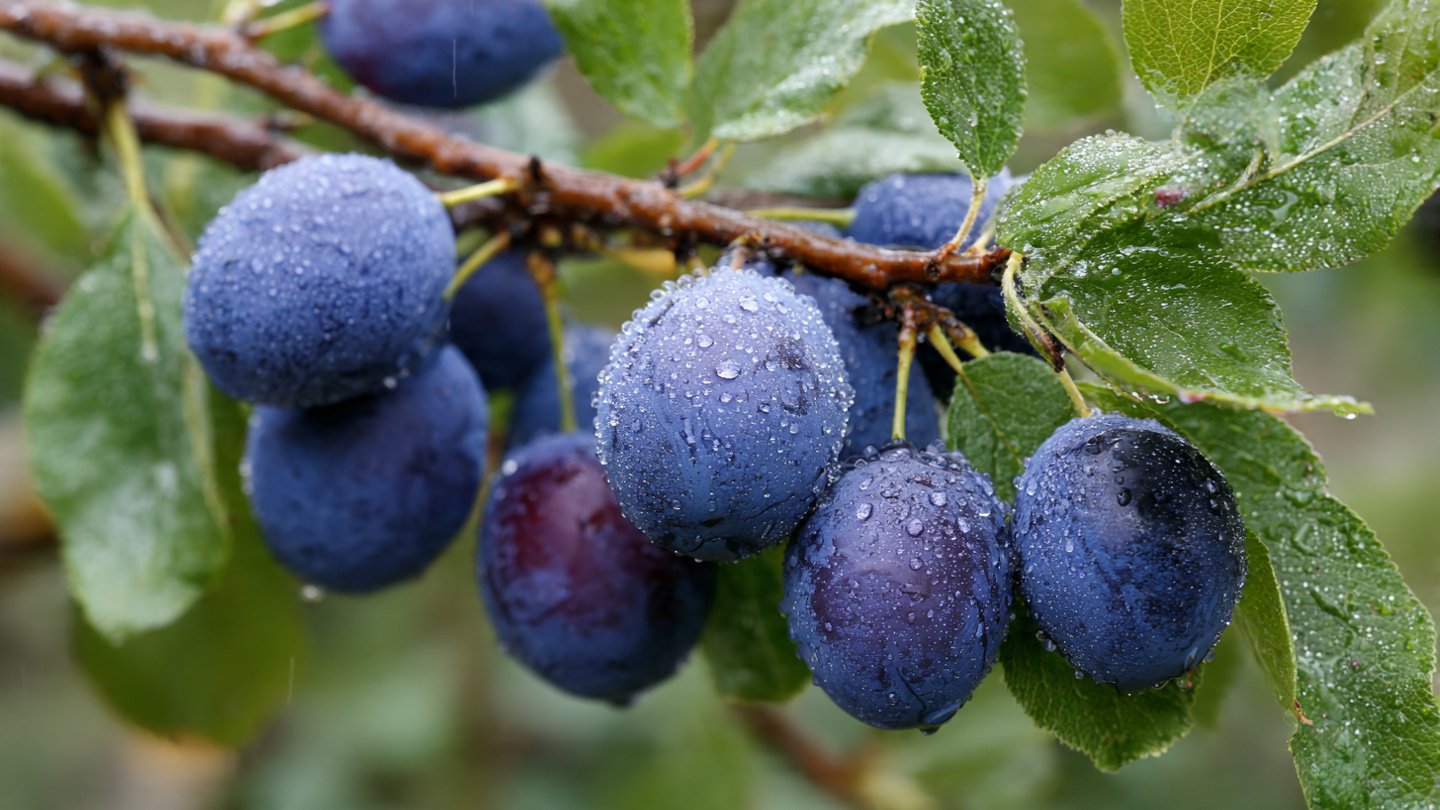
Mount Royal plum trees, a popular variety among fruit enthusiasts, are especially favored for their delectable fruit and vibrant foliage. However, successfully growing these trees in cold climate areas can present unique challenges. This article delves deeply into the cultivation of Mount Royal plum trees in such conditions, covering factors like soil types, planting techniques, pruning, pest management, and more, to ensure optimal fruit production.
Understanding Mount Royal Plum Trees
The Mount Royal plum is a hybrid European and Japanese plum variety, renowned for its flavorful, sweet fruit and compact growth. With a hardiness zone of 4 to 8, this tree can thrive in cold climates as long as certain conditions are met. Its fruit ripens late in summer, making it a fantastic choice for colder regions, where other varieties may struggle.
Latest Posts
- Easy Steps to Successfully Grow Bhindi in Grow Bags at Home
- Easy Steps to Grow a Healthy Guava Bonsai at Home for Beginners
- How to Successfully Grow and Cultivate White Strawberry Plants at Home for Delicious and Unique Fruits
- Ultimate Guide to Successfully Growing Weeping Fig Outdoors with Proven Techniques and Expert Tips
- How to Successfully Grow Flemish Beauty Pear Trees in Canada for Optimal Harvest
- Easy Hack to Grow Strawberries Year Round in Your Home Garden for Delicious Harvests
- Growing Flemish Beauty Pears in Canada A Complete Guide for Local Gardens
- The Ultimate Guide to Growing Hibiscus Plants Year Round for Vibrant Blooms and Healthy Foliage
- Easy Ways to Boost the Growth Rate of Your Indoor Peace Lily for Lush Green Foliage
- How to Successfully Grow Oak Leaf Lettuce in Your Home Garden for Fresh and Flavorful Salads
Benefits of Growing Mount Royal Plum Trees
-
Taste and Versatility: Mount Royal plums are juicy with a sweet, tangy flavor. They can be consumed fresh or used in a variety of culinary applications, including jams, jellies, and desserts.
-
Hardiness: This tree can withstand cold winters, making it an excellent choice for northern regions.
-
Aesthetic Value: The tree showcases beautiful blossoms in spring, making it a visually appealing addition to any orchard or garden.
-
Pollination: Mount Royal plums benefit from cross-pollination, leading to higher yields and better fruit quality, particularly when planted alongside compatible plum varieties.
Choosing the Right Location
The selection of site is crucial for the successful growth of Mount Royal plum trees. Follow these guidelines for optimal planting:
1. Sunlight
Plum trees require a minimum of 6 to 8 hours of full sunlight per day. Select a location with adequate sunlight to encourage robust growth and fruiting.
2. Soil Type
Mount Royal plums prefer well-drained, loamy soil rich in organic matter. Conduct a soil test to ensure that pH levels are between 6.0 and 7.0, as this range promotes nutrient availability.
3. Drainage
Proper drainage is vital, as plum trees are susceptible to root rot. Avoid low-lying areas where water tends to pool, and consider amending the soil with sand or organic matter to enhance drainage.
Planting Techniques
Planting your Mount Royal plum tree correctly can set the stage for healthy growth. Here’s a step-by-step guide:
1. Timing
The best time to plant Mount Royal plum trees is in the spring after the last frost or in the fall, before the temperatures drop significantly.
2. Digging the Hole
Choose a planting site based on the aforementioned criteria. Dig a hole about twice the width and the same depth as the root ball.
3. Soil Preparation
Mix the excavated soil with compost or well-rotted manure to enhance nutrient content. This will provide the new tree with essential nutrients right from the start.
4. Planting
Carefully place the tree in the center of the hole, ensuring that the graft union (where the rootstock and scion meet) is above soil level. Backfill the hole gently, watering as you go to eliminate air pockets.
5. Watering
Thoroughly water the tree after planting. Maintain consistent moisture during the first growing season to establish strong roots.
Care and Maintenance
Once planted, proper care is essential for optimal growth and fruit production:
1. Watering
Young Mount Royal plum trees need regular watering, especially during dry spells. Water deeply at the base of the tree to encourage deep root growth; avoid wetting the leaves to prevent fungal diseases.

2. Fertilization
Fertilize in early spring with a balanced fertilizer (e.g., 10-10-10) tailored to fruit trees. Follow package instructions for application rates, avoiding over-fertilization which can lead to excessive vegetative growth at the expense of fruit production.
3. Pruning
Regular pruning helps manage tree size, encourages air circulation, and promotes fruit production. Here’s how to do it:
- Initial Pruning: Shape the tree in its first few years to establish a strong framework. Focus on removing dead or crossing branches.
- Annual Pruning: After the tree matures, perform light annual pruning in late winter to remove dead or diseased wood and thin out crowded branches.
4. Pest and Disease Management
Cold climates can still harbor pests and diseases. Here are common issues and how to manage them:
- Bacterial Canker: This disease can cause dieback in branches. Use sterilized tools when pruning to prevent its spread.
- Brown Rot: This fungal disease affects fruit. To manage it, ensure good air circulation and remove mummified fruits.
- Pests: Monitor for pests like aphids and plum curculio. Use organic pesticides or introduce beneficial insects like ladybugs for natural control.
Harvesting Mount Royal Plums
Knowing when and how to harvest is essential for a good yield:
1. When to Harvest
Mount Royal plums typically ripen from late August to early September. They are ready for harvest when they are fully colored, firm, and slightly soft to the touch.
2. How to Harvest
Gently twist the plums to detach them from the stem. Avoid pulling too hard, as this can damage the branches.
3. Post-Harvest Handling
Handle the fruit carefully to avoid bruising, and store them in a cool, dry place. They can be refrigerated for up to a week.
FAQs
1. Can Mount Royal plum trees be grown in containers?
Yes, Mount Royal plum trees can be grown in containers, but ensure the pot is large enough (at least 20 gallons) to accommodate root growth. Regular watering and fertilization are crucial for container-grown trees.
2. How long does it take for Mount Royal plum trees to bear fruit?
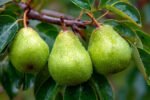
Generally, Mount Royal plums will begin to bear fruit within 3 to 5 years after planting, depending on growing conditions and care.
3. Do Mount Royal plums require a pollinator?
While Mount Royal plums can produce fruit without a pollinator, planting another variety of plum nearby, such as the Stanley plum, will enhance fruit set and yield.
4. What should I do if my plum tree isn’t producing fruit?
If your plum tree isn’t producing fruit, check for issues such as improper pruning, lack of pollination, nutrient deficiencies, or pest infestations. Ensure it receives adequate sunlight and moisture levels.
5. Are Mount Royal plums disease-resistant?
While Mount Royal plums are relatively disease-resistant, they can still be affected by common plum diseases such as brown rot and bacterial canker. Good cultural practices and monitoring can help manage these issues effectively.
Conclusion
Growing Mount Royal plum trees in a cold climate can be immensely rewarding. With the right location, proper planting techniques, consistent care, and proactive pest management, these trees can flourish and produce bountiful harvests. Whether enjoyed fresh or as part of your favorite recipes, Mount Royal plums add sweet delight to gardens and culinary creations alike. Happy planting!