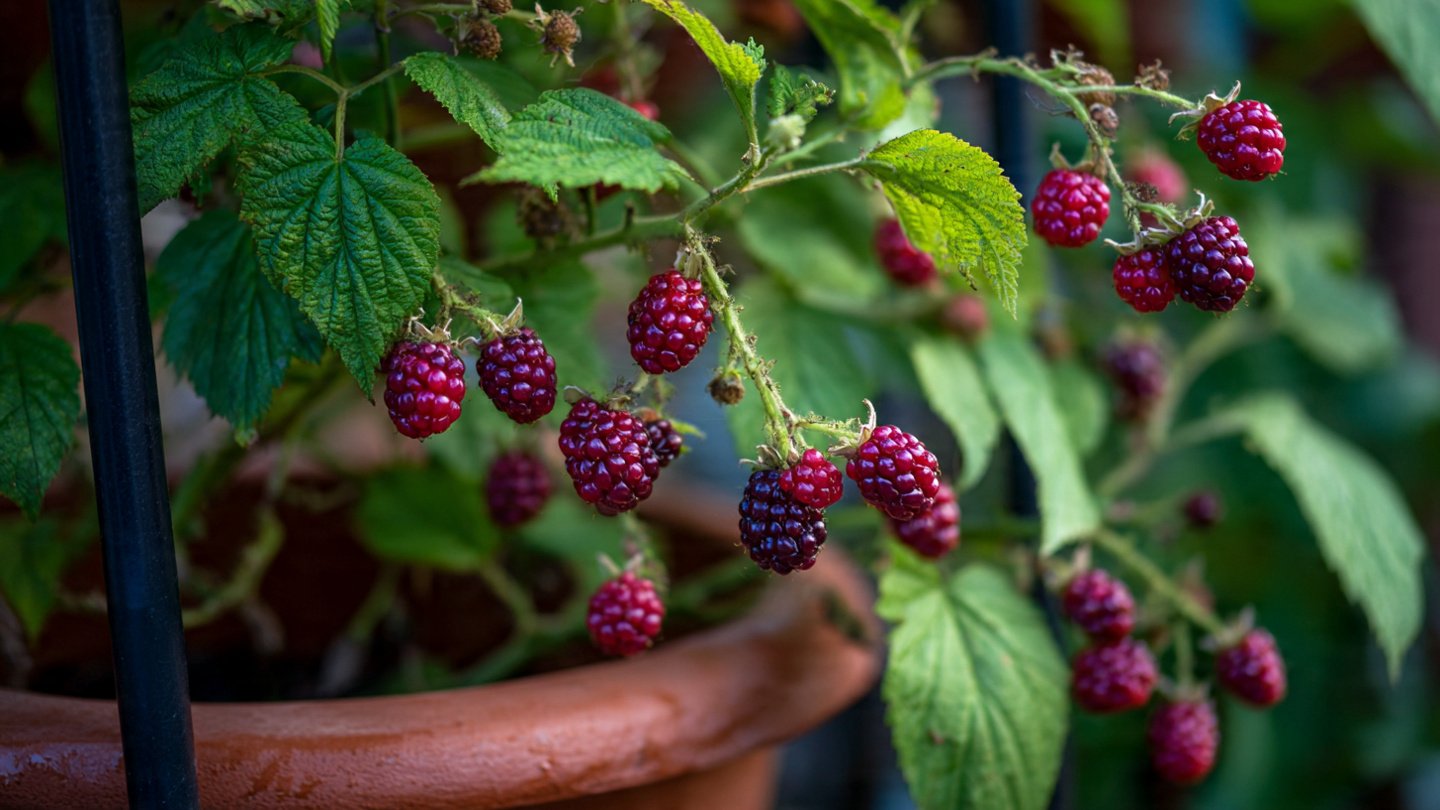
Blackberries are a delightful addition to any garden or patio. Their rich flavor and high nutritional value make them a popular choice for home growers. Thornless blackberries, in particular, have gained popularity due to their ease of handling and higher yield potential. Growing these berries in pots offers flexibility and convenience, allowing you to manage space and optimize conditions for growth. In this article, we will explore the best techniques for successfully growing thornless blackberries in a pot, focusing on maximizing yield.
Choosing the Right Variety
Choosing the right thornless blackberry variety is the first step toward a productive harvest. Some popular thornless types include:
Latest Posts
- Easy Steps to Successfully Grow Bhindi in Grow Bags at Home
- Easy Steps to Grow a Healthy Guava Bonsai at Home for Beginners
- How to Successfully Grow and Cultivate White Strawberry Plants at Home for Delicious and Unique Fruits
- Ultimate Guide to Successfully Growing Weeping Fig Outdoors with Proven Techniques and Expert Tips
- How to Successfully Grow Flemish Beauty Pear Trees in Canada for Optimal Harvest
- Easy Hack to Grow Strawberries Year Round in Your Home Garden for Delicious Harvests
- Growing Flemish Beauty Pears in Canada A Complete Guide for Local Gardens
- The Ultimate Guide to Growing Hibiscus Plants Year Round for Vibrant Blooms and Healthy Foliage
- Easy Ways to Boost the Growth Rate of Your Indoor Peace Lily for Lush Green Foliage
- How to Successfully Grow Oak Leaf Lettuce in Your Home Garden for Fresh and Flavorful Salads
- Natchez: Early-bearing and produces large, sweet berries.
- Triple Crown: Known for its high yield and exceptional flavor, ripening in mid-summer.
- Black Satin: Offers sweet, juicy berries and a longer harvest season.
Select a variety suited to your climate and growing conditions.
Selecting the Pot
Size Matters
The pot size is crucial for successful blackberry cultivation. Thornless blackberries have extensive root systems that need ample space to grow. A pot with a diameter of at least 5 gallons is recommended, with deeper pots performing even better.
Material
Choose a pot made from durable materials such as plastic, clay, or ceramic. Ensure it has adequate drainage holes to prevent waterlogging, which can lead to root rot.
Soil Quality
Choosing the Right Soil
Using high-quality potting soil is essential for successful growth. A well-draining mix enriched with organic matter, such as compost, will provide essential nutrients and moisture retention without suffocation of the roots.
pH Level
Thornless blackberries prefer slightly acidic to neutral soil, with a pH range between 5.5 and 7.0. You can purchase soil-test kits to determine your potting soil’s pH level and adjust it with sulfur (to lower) or lime (to raise) as necessary.
Planting Thornless Blackberries
Timing
The best time to plant thornless blackberries in pots is in the spring after the last frost. This gives your plants a full growing season to establish themselves.
Planting Method
When planting, follow these steps:
- Fill the pot with your prepared soil mixture, leaving about 2-3 inches from the top.
- Dig a hole in the center of the pot; the depth should be sufficient to accommodate the root ball.
- Remove the plant from its nursery container gently and place it in the hole. Backfill with soil, ensuring the plant is at the same soil level as it was in the container.
- Water thoroughly to eliminate air pockets and help the soil settle.
Watering Guidelines
Thornless blackberries require consistent moisture, particularly during the growing season. However, overwatering can lead to root diseases.
General Tips
- Water your plants deeply but infrequently, allowing the top 1-2 inches of soil to dry out between waterings.
- Consider using drip irrigation or soaker hoses to provide even moisture without wetting the foliage, which can promote fungal diseases.
- During hot weather, you may need to water more frequently.
Fertilization
Choosing the Right Fertilizer
To promote healthy growth and maximum fruit yield, use a balanced fertilizer formulated for fruits. A 10-10-10 NPK fertilizer or an organic fruit fertilizer will work well.
Fertilizer Application
- Fertilize your thornless blackberries in early spring when new growth begins.
- Follow the manufacturer’s instructions for quantity; avoid over-fertilizing, which can lead to excessive foliage growth at the expense of fruit.
Pruning for Maximum Yield
Pruning is essential for maintaining healthy plants and maximizing fruit production.

Techniques
- Early Pruning: Remove any dead or weak canes early in the season before new growth emerges.
- Summer Pruning: After fruits have been harvested, cut back canes to encourage new growth for the following season.
- Winter Pruning: In late winter, prune the canes back to encourage productive growth. Leave 4-6 healthy canes per plant for optimal yield.
Supporting Your Plants
Thornless blackberries are semi-erect and benefit from support to prevent sprawling and improve air circulation. Use trellises or cages:
- Install trellises at the time of planting for minimal root disturbance.
- Train canes to grow vertically along the structure.
Managing Pests and Diseases
Common Pests
- Spider Mites: Look for webbing and fine, stippled leaves. Introduce beneficial insects like ladybugs or spray with neem oil.
- Aphids: Their presence can lead to sticky leaves and potential disease spread. Use insecticidal soap for control.
Diseases
- Powdery Mildew: Avoid overcrowding and improve air circulation. Apply fungicides as needed.
- Root Rot: Ensure proper drainage and avoid overwatering.
Harvesting Thornless Blackberries
Signs of Ripeness
Thornless blackberries are typically ready for harvest in mid-summer, depending on the variety. Berries should be fully colored, plump, and easy to pull from the plant.
Storage Tips
- Harvest berries early in the morning for optimal flavor.
- Store in breathable containers in the refrigerator for 3-5 days.
FAQs
Q1: How much sunlight do thornless blackberries need?
A: Thornless blackberries require full sun for at least 6-8 hours a day for optimal growth and fruit production.
Q2: Can thornless blackberries be grown indoors?
A: Yes, thornless blackberries can be grown indoors, but they still need plenty of light. Consider using grow lights if natural sunlight is insufficient.
Q3: How often should I prune my thornless blackberries?
A: Prune thornless blackberries in early spring, right after harvesting in summer, and during late winter to maintain health and productivity.
Q4: What is the best time of year to feed thornless blackberries?
A: The best time to feed thornless blackberries is in early spring when new growth begins, and again after the summer harvest.
Q5: How do I know if my thornless blackberries are getting too much water?
A: Yellowing leaves, wilting, or soggy soil are all signs that your plants may be overwatered.
Q6: Can thornless blackberries survive winter in pots?
A: Yes, but protection is needed. Move pots to a sheltered location and consider wrapping them with burlap or insulating materials to protect roots from freezing temperatures.
Conclusion
Successfully growing thornless blackberries in a pot for maximum yield requires careful attention to variety selection, pot size, soil quality, watering, fertilization, pruning, and pest management. With dedication and the right techniques, you can enjoy a bountiful harvest of delicious, juicy blackberries from your patio or garden. Happy gardening!