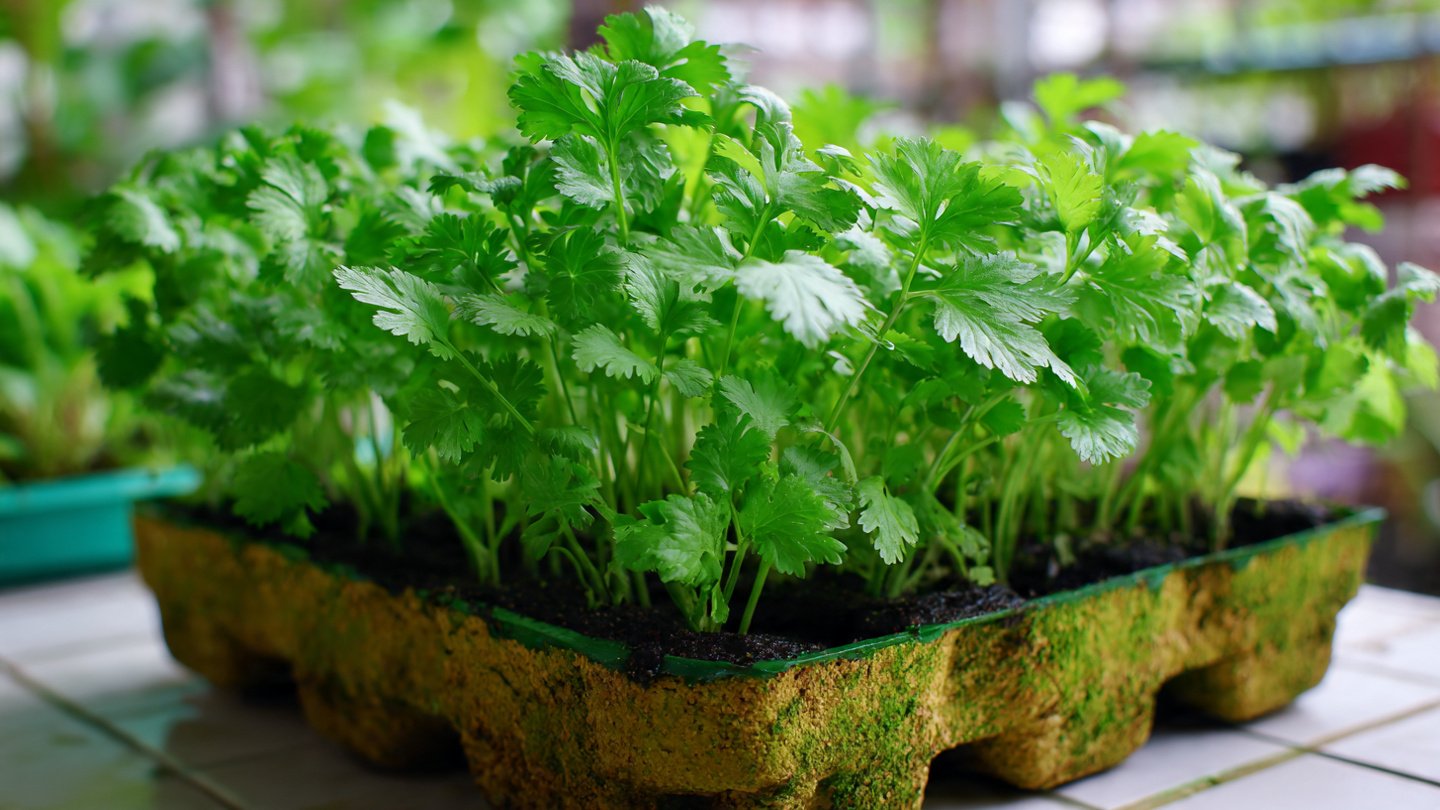
Vietnamese coriander, also known as Persicaria odorata, Vietnamese mint, or raspberry mint, is a popular herb in Southeast Asian cuisine. It has a unique flavor that enhances a variety of dishes, making it a staple in Vietnamese cooking. If you’re looking to grow this aromatic herb at home, you’re in luck! This guide will walk you through the simple steps to successfully grow Vietnamese coriander, making it easy for beginners to cultivate this delightful plant.
Understanding Vietnamese Coriander
Vietnamese coriander is distinct from the traditional coriander (or cilantro) found in many kitchens. It is perennial in tropical and subtropical climates, thriving in warm and moist environments. The leaves have a peppery, minty flavor, making them a versatile ingredient in salads, soups, and stir-fries.
Latest Posts
- Easy Steps to Successfully Grow Bhindi in Grow Bags at Home
- Easy Steps to Grow a Healthy Guava Bonsai at Home for Beginners
- How to Successfully Grow and Cultivate White Strawberry Plants at Home for Delicious and Unique Fruits
- Ultimate Guide to Successfully Growing Weeping Fig Outdoors with Proven Techniques and Expert Tips
- How to Successfully Grow Flemish Beauty Pear Trees in Canada for Optimal Harvest
- Easy Hack to Grow Strawberries Year Round in Your Home Garden for Delicious Harvests
- Growing Flemish Beauty Pears in Canada A Complete Guide for Local Gardens
- The Ultimate Guide to Growing Hibiscus Plants Year Round for Vibrant Blooms and Healthy Foliage
- Easy Ways to Boost the Growth Rate of Your Indoor Peace Lily for Lush Green Foliage
- How to Successfully Grow Oak Leaf Lettuce in Your Home Garden for Fresh and Flavorful Salads
Benefits of Growing Vietnamese Coriander
- Freshness: Having your own supply of Vietnamese coriander ensures you always have fresh herbs on hand.
- Flavor Enhancement: Its unique flavor profile elevates dishes, adding zest and aroma.
- Medicinal Properties: Vietnamese coriander is believed to have health benefits, including anti-inflammatory and antimicrobial properties.
- Cost-Effective: Growing your own herbs saves money in the long run.
Step-by-Step Guide to Growing Vietnamese Coriander
Step 1: Gather Necessary Materials
Before you start, make sure you have the following materials:
- Seeds or Cuttings: You can start from seeds or buy live cuttings from a local nursery.
- Potting Soil: A well-draining potting mix is ideal.
- Planter or Pot: Choose a pot with drainage holes; Vietnamese coriander prefers to be slightly pot-bound.
- Watering Can or Spray Bottle: For watering the plants without over-saturating them.
- Fertilizer: A balanced, all-purpose fertilizer will work well.
Step 2: Choosing the Right Location
Vietnamese coriander thrives in warm, humid conditions. Here’s how to select the right location:
- Sunlight: It prefers partial shade; morning sun with afternoon shade is ideal. If growing indoors, place it near a sunny window.
- Temperature: Aim for temperatures between 70-85°F (21-29°C). Avoid extreme cold; if temperatures drop below 50°F (10°C), consider bringing your plant indoors.
Step 3: Preparing the Soil
Vietnamese coriander enjoys moist, well-draining soil. Here’s how to prepare your potting mix:
- Choose a High-Quality Potting Mix: Check for a mix that retains moisture but allows excess water to drain.
- Add Organic Matter: Incorporate compost or well-rotted manure into the potting mix to boost nutrients.
- Moisture Retention: If you live in a dry area, consider adding materials like coconut coir or perlite to help retain moisture.
Step 4: Planting Seeds or Cuttings
You have two options when it comes to planting:
Planting Seeds:
- Sow the Seeds: Plant seeds about ½ inch (1.25 cm) deep in the prepared soil.
- Spacing: Space the seeds 1-2 inches (2.5-5 cm) apart. Thin them out later if they overcrowd.
- Water Gently: Use a spray bottle to moisten the soil without washing the seeds away.
- Cover: Lightly cover seeds with soil and water again.
Planting Cuttings:
- Select Healthy Cuttings: Choose cuttings with a few nodes and leaves.
- Rooting Hormone (Optional): Dip the cut end of the cutting in rooting hormone to encourage root growth.
- Place in Soil: Insert the cutting about 2 inches (5 cm) deep into the soil.
- Water: Water it lightly.
Step 5: Watering and Caring for Your Plants
Maintaining appropriate moisture levels is crucial for Vietnamese coriander. Here’s what you need to do:
- Regular Watering: Keep the soil consistently moist but not waterlogged. Check the top inch of soil; if it feels dry, it’s time to water.
- Humidity: If the air is dry, consider misting the plant or placing a humidity tray nearby.
- Mulch: Adding a layer of mulch can help retain moisture and suppress weeds.

Step 6: Fertilizing
To promote healthy growth, fertilize your Vietnamese coriander:
- Frequency: Apply a balanced fertilizer every 4-6 weeks during the growing season (spring and summer).
- Dilution: Follow the package instructions for dilution. Over-fertilizing can harm the plant.
Step 7: Pruning
Regular pruning is essential for bushy growth and flavor enhancement:
- Pinching Back: Pinch off the tips of the stems to encourage branching. This can also help increase leaf production.
- Removing Flowers: If you notice flowering, remove the flowers to promote leaf growth, as flowering can make the leaves taste bitter.
Step 8: Harvesting
You can begin harvesting once your plant has reached a height of about 6 inches (15 cm):
- Timing: Harvest in the morning when the leaves are most flavorful.
- Method: Use scissors to cut individual leaves or stems, leaving some leaves on each stem for continued growth.
- Storage: Freshly harvested Vietnamese coriander can be stored in the refrigerator for a few days, wrapped in a damp paper towel.

Step 9: Managing Pests and Diseases
While Vietnamese coriander is relatively pest-resistant, you should still keep an eye out for:
- Aphids and Whiteflies: Use insecticidal soap or neem oil to control infestations.
- Fungal Diseases: Ensure good air circulation and avoid overhead watering to prevent leaf diseases.
Step 10: Winter Care
If you live in a cooler climate where temperatures drop:
- Indoor Transition: Before the first frost, bring your plant indoors. Place it in a sunny spot.
- Temperature Management: Maintain indoor temperatures above 50°F (10°C).
FAQs
1. Can I grow Vietnamese coriander indoors?
Yes, Vietnamese coriander can be successfully grown indoors. Ensure it has a spot with plenty of indirect sunlight and maintain humidity levels.
2. How long does it take for Vietnamese coriander to grow?
If started from cuttings, Vietnamese coriander can be ready for harvest in about 4-6 weeks. From seeds, it may take 6-8 weeks to grow.
3. How often should I water Vietnamese coriander?
Water your plant when the top inch of soil feels dry. This could be every few days in warm weather or less frequently in cooler conditions.
4. Can I use Vietnamese coriander in recipes that call for cilantro?
While they have similar appearances, Vietnamese coriander has a sharper flavor. You can substitute it for cilantro, but keep in mind it will affect the dish’s overall taste.
5. Is Vietnamese coriander prone to any diseases?
Vietnamese coriander is generally resistant to diseases. However, it can be affected by root rot if overwatered or fungal issues if air circulation is poor.
6. Can I propagate Vietnamese coriander from cuttings?
Yes, Vietnamese coriander can be easily propagated from cuttings. Just place a healthy cutting in water or soil, and it should root within a few weeks.
Conclusion
Growing Vietnamese coriander at home is not only easy but also a rewarding endeavor that brings fresh flavors to your kitchen. By following these simple steps and caring for your plants properly, you’ll be able to enjoy this delightful herb year-round. With a little patience and attention, you’ll find yourself harvesting fresh Vietnamese coriander to elevate your culinary creations. Happy gardening!