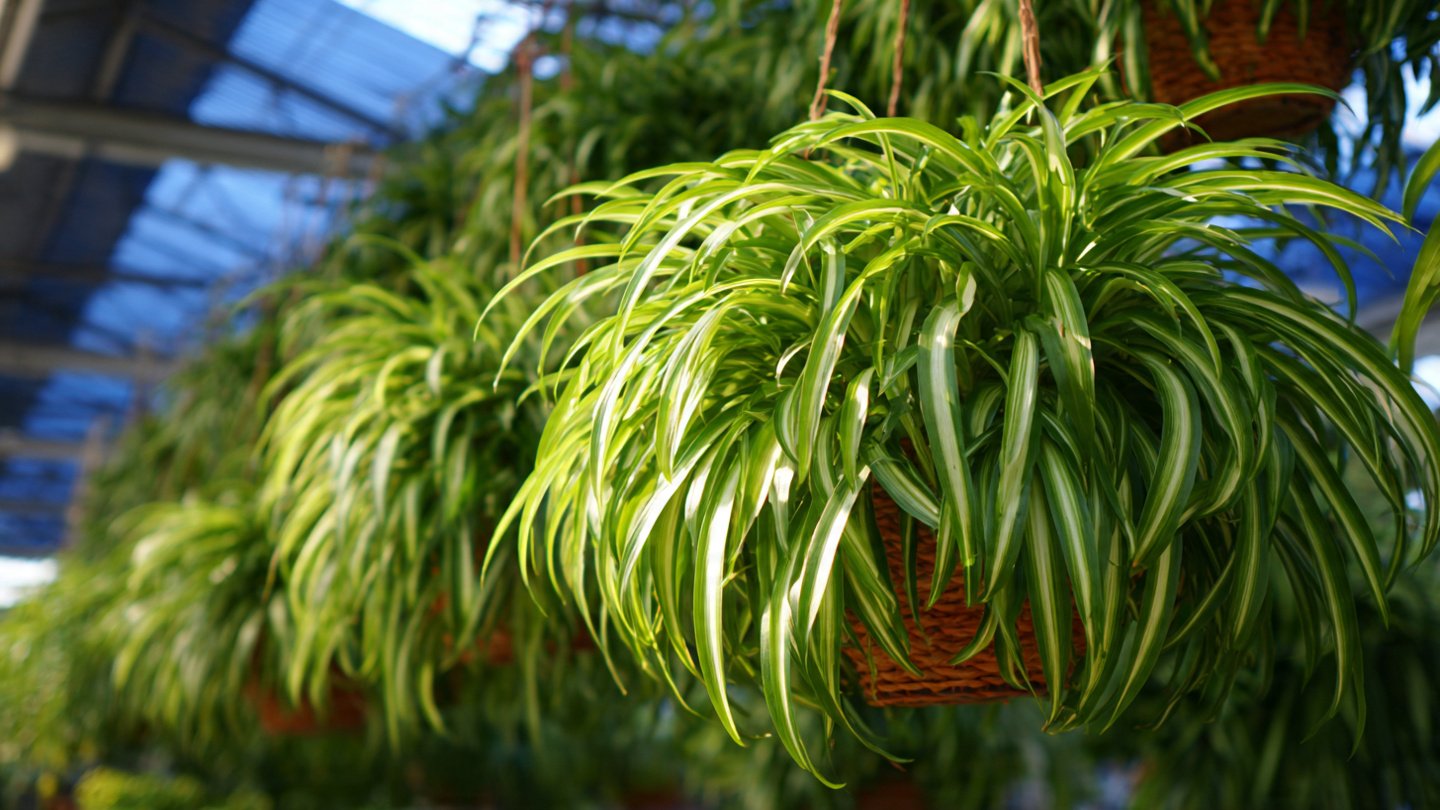
Spider plants (Chlorophytum comosum) are popular houseplants known for their arching leaves and charming spider-like offshoots. They are not only aesthetically appealing but also hardy, making them an ideal choice for both novice and experienced plant enthusiasts. When grown in hanging baskets, spider plants can create a stunning display that enhances the decor of any space. This article offers essential tips for successfully growing spider plants in hanging baskets, emphasizing optimal growth and aesthetic appeal.
Understanding Spider Plant Needs
1. Light Requirements
Latest Posts
- Easy Steps to Successfully Grow Bhindi in Grow Bags at Home
- Easy Steps to Grow a Healthy Guava Bonsai at Home for Beginners
- How to Successfully Grow and Cultivate White Strawberry Plants at Home for Delicious and Unique Fruits
- Ultimate Guide to Successfully Growing Weeping Fig Outdoors with Proven Techniques and Expert Tips
- How to Successfully Grow Flemish Beauty Pear Trees in Canada for Optimal Harvest
- Easy Hack to Grow Strawberries Year Round in Your Home Garden for Delicious Harvests
- Growing Flemish Beauty Pears in Canada A Complete Guide for Local Gardens
- The Ultimate Guide to Growing Hibiscus Plants Year Round for Vibrant Blooms and Healthy Foliage
- Easy Ways to Boost the Growth Rate of Your Indoor Peace Lily for Lush Green Foliage
- How to Successfully Grow Oak Leaf Lettuce in Your Home Garden for Fresh and Flavorful Salads
Spider plants thrive in bright, indirect light but are also adaptable to a variety of lighting conditions. Here are some tips to consider:
- Avoid Direct Sunlight: Direct sunlight can scorch the leaves, leading to brown tips and stunted growth.
- Optimal Light: A window with filtered light is ideal. If you’re growing indoors, east or west-facing windows are suitable.
- Low Light Tolerance: Spider plants can tolerate lower light levels but may become leggy over time, producing fewer offshoots.
2. Temperature and Humidity
Spider plants prefer temperatures ranging from 65°F to 75°F (18°C to 24°C). They can tolerate cooler conditions but should be protected from frost.
- Humidity: Moderate humidity is sufficient for spider plants. If your home is particularly dry, consider misting the foliage or placing a humidifier nearby.
3. Soil Selection
A well-draining potting mix is crucial for spider plants. Here are some considerations:
- Type of Soil: A standard all-purpose potting soil works well. You can also create a custom mix with equal parts potting soil, perlite, and peat moss for improved aeration.
- pH Level: Spider plants prefer a slightly acidic to neutral pH (6.0 to 7.0).

Choosing the Right Hanging Basket
1. Size and Material
Selecting the appropriate hanging basket is crucial for the growth and health of your spider plant.
- Size: Choose a basket that is at least 6-8 inches in diameter. This allows for adequate root space and optimal growth.
- Material: While plastic baskets are lightweight and retain moisture, natural materials such as wicker or clay provide better aeration. However, they may dry out quicker.
2. Drainage
Proper drainage is essential to prevent root rot. Ensure the hanging basket has drainage holes. If using a decorative basket without holes, consider adding gravel or stones at the bottom to facilitate drainage.
Planting Your Spider Plant
1. Timing
The best time to plant or repot your spider plant is during spring or early summer when the plant is actively growing.
2. Transplanting
If you’re moving your spider plant into a hanging basket:
- Gently remove the plant from its original pot, taking care not to disturb the roots too much.
- Loosen any tightly bound roots to encourage new growth.
- Plant at the same soil depth as you found in the previous pot.
3. Watering Post-Planting
After planting, water thoroughly to help settle the soil and eliminate air pockets. Allow the top inch of soil to dry out before watering again.
Maintaining Your Spider Plant
1. Watering Schedule
Spider plants would rather be underwatered than overwatered. Here’s how to establish a watering routine:
- Frequency: Water when the top inch of soil feels dry. This typically means watering every 1-2 weeks, depending on your environment.
- Winter Care: Reduce watering frequency during the winter months as the plant’s growth slows down.
2. Fertilization
Spider plants are not heavy feeders, but they benefit from occasional fertilization:
- Type of Fertilizer: Use a balanced, water-soluble fertilizer diluted to half strength.
- Frequency: Fertilize every 4-6 weeks during the growing season (spring and summer). Over-fertilization can lead to burnt leaf tips.
3. Pruning and Grooming

Pruning helps maintain the health and appearance of your spider plant.
- Remove Dead Leaves: Trim any brown or dead leaves to encourage new growth and improve overall aesthetics.
- Control Offshoots: Spider plants produce “baby” offshoots called pups. You can allow them to grow or prune them to keep the plant looking neat.
Enhancing Aesthetic Appeal
1. Hanging Position
The location of your hanging basket greatly influences both the plant’s growth and its visual appeal.
- Height: Hang the basket at a height that allows the long, arching leaves to cascade gracefully.
- Grouping: Consider grouping several hanging baskets together at varying heights for a dynamic display.
2. Companion Plants
Spider plants can also be grown alongside other complementary plants within the same basket, as long as their care requirements align.
- Suggestions: Consider plants such as pothos or ferns, which thrive in similar lighting and watering conditions.
3. Container Design
Choose a hanging basket that complements your interior design.

- Color and Material: Bright colors can make a statement while neutral tones can provide a more subdued look. Experiment with various materials and styles to suit your decor.
Troubleshooting Common Issues
1. Brown Tips on Leaves
Brown tips may occur due to underwatering, low humidity, or excessive fertilization. Adjust the watering schedule and ensure adequate humidity to mitigate this issue.
2. Yellowing Leaves
Yellowing leaves can indicate overwatering or poor drainage. Examine the roots for signs of rot and adjust your watering habits accordingly.
3. Pests
Spider plants can attract pests such as spider mites, aphids, and mealybugs.
- Prevention: Regularly inspect your plant for signs of pests and use insecticidal soap or neem oil as needed.
FAQs
How often should I water my spider plant?
Water your spider plant when the top inch of soil feels dry, usually every 1-2 weeks. Reduce watering during winter.
Can spider plants tolerate low light?
Yes, spider plants can tolerate low light, but they may become leggy and produce fewer offshoots.

Do spider plants need fertilizer?
Yes, spider plants benefit from occasional fertilization during the growing season (spring and summer). Use a balanced, water-soluble fertilizer diluted to half strength.
How can I propagate my spider plant?
To propagate, simply cut the pups (offshoots) from the main plant and place them in soil or water until roots develop.
What pests affect spider plants?
Spider plants can attract pests such as spider mites, aphids, and mealybugs. Regular monitoring and treatment with insecticidal soap can help control infestations.
Are spider plants toxic to pets?
Spider plants are considered non-toxic to pets, making them a safe option for households with cats and dogs.
Conclusion
Growing spider plants in hanging baskets is a delightful way to enhance the beauty of your home while enjoying the benefits of easy-care greenery. By understanding their light, temperature, and watering needs, as well as selecting the right containers and maintaining them meticulously, your spider plants can flourish. With their cascading leaves and charming pups, these plants not only purify the air but also bring joy and tranquility to your space. Enjoy the journey of caring for these resilient plants, and watch them transform your environment into a lush sanctuary.