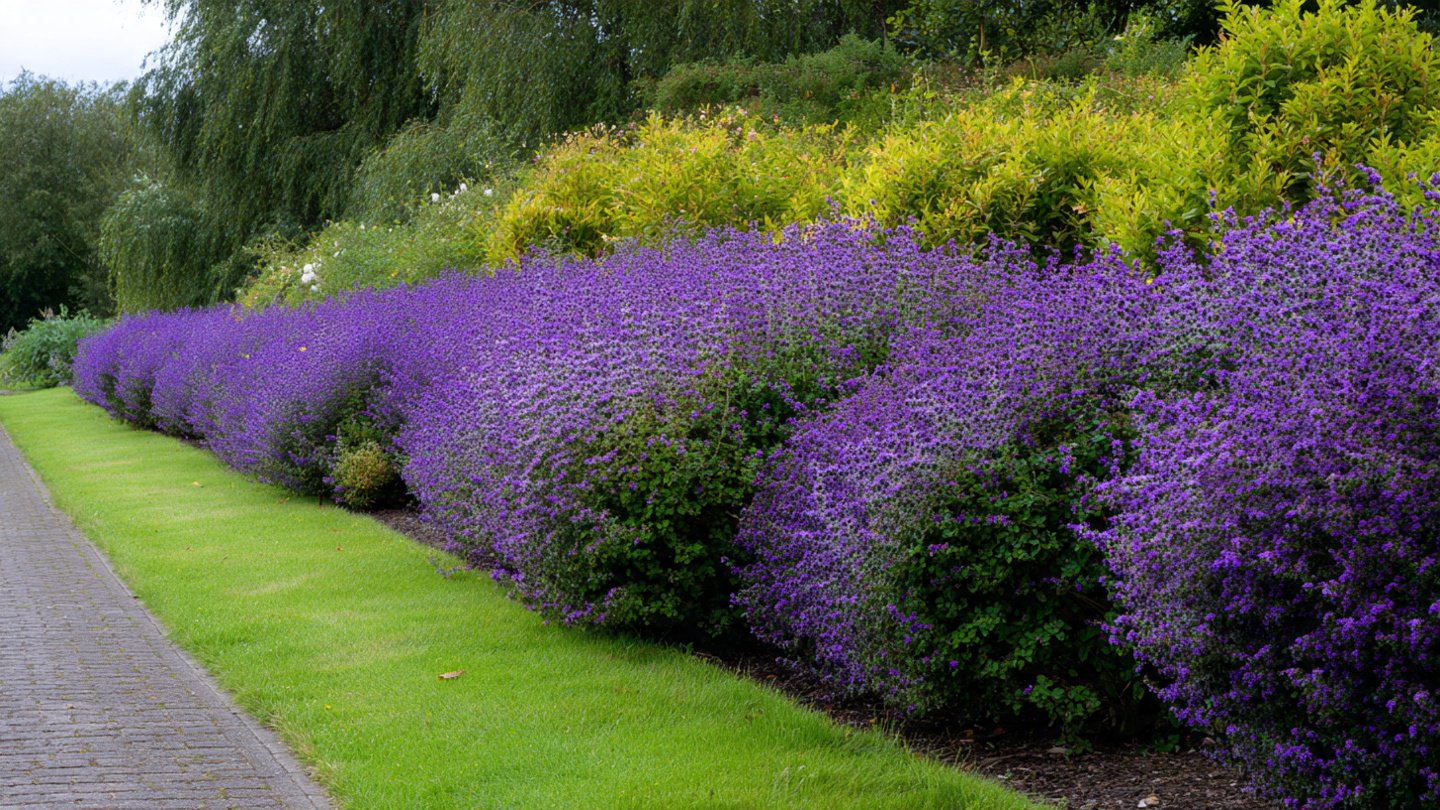
Creating beautiful decorative borders in your garden can transform an ordinary outdoor space into a picturesque retreat. One of the most effective ways to achieve this is by utilizing hedge plants. Hedges not only provide aesthetic appeal but can also serve practical purposes, such as privacy and wind protection. In this guide, we will explore how to successfully grow hedge plants to frame your garden beautifully.
1. Understanding Hedge Plants
1.1 Definition and Purpose
Latest Posts
- Easy Steps to Successfully Grow Bhindi in Grow Bags at Home
- Easy Steps to Grow a Healthy Guava Bonsai at Home for Beginners
- How to Successfully Grow and Cultivate White Strawberry Plants at Home for Delicious and Unique Fruits
- Ultimate Guide to Successfully Growing Weeping Fig Outdoors with Proven Techniques and Expert Tips
- How to Successfully Grow Flemish Beauty Pear Trees in Canada for Optimal Harvest
- Easy Hack to Grow Strawberries Year Round in Your Home Garden for Delicious Harvests
- Growing Flemish Beauty Pears in Canada A Complete Guide for Local Gardens
- The Ultimate Guide to Growing Hibiscus Plants Year Round for Vibrant Blooms and Healthy Foliage
- Easy Ways to Boost the Growth Rate of Your Indoor Peace Lily for Lush Green Foliage
- How to Successfully Grow Oak Leaf Lettuce in Your Home Garden for Fresh and Flavorful Salads
Hedge plants are shrubs or small trees that are grown closely together to form a boundary or border. They can come in various shapes, sizes, and species, offering flexibility and creativity in design. Hedges serve multiple purposes:
- Privacy: Provide a natural barrier from neighbors and passersby.
- Windbreak: Protect delicate plants and outdoor areas from strong winds.
- Sound Barrier: Dampen noise from nearby roads or busy areas.
- Wildlife Habitat: Provide shelter for birds and beneficial insects.
1.2 Types of Hedge Plants
Hedge plants can be broadly classified into evergreen and deciduous categories:
- Evergreen Hedges: Retain foliage throughout the year, such as Boxwood, Juniper, and Leyland Cypress.
- Deciduous Hedges: Shed leaves in winter, including types like Beech, Hornbeam, and Privet.
2. Choosing the Right Hedge Plants
2.1 Consider Your Climate
The first step in selecting hedge plants is understanding your local climate. Different plants thrive in specific conditions. Research the hardiness zones applicable to your area.

2.2 Assessing Your Garden’s Conditions
Examine your garden for sunlight, soil type, and moisture availability:
- Light Requirements: Some plants require full sun, while others can tolerate shade. Choose according to the sunlight your space receives.
- Soil Type: Test your soil to determine its pH and drainage capabilities. Some plants prefer sandy soils, while others thrive in clay.
- Water Availability: Consider how much time you can dedicate to watering your hedge plants.
2.3 Aesthetic Considerations
Choose hedge plants that complement your garden’s style. For formal gardens, consider plants like Boxwood or Yew for structured shapes. In a more relaxed setting, flowering hedges like Hydrangeas or Lavender can add color and texture.
2.4 Functionality
Think about what you want your hedge to achieve. If privacy is your main goal, choose fast-growing, dense plants. For a decorative border, consider plants with vibrant flowers or unique foliage.
3. Preparing the Site
3.1 Selecting the Location
Choose a location that meets the light, soil, and water requirements of your selected plants. Ensure that the hedge won’t obstruct other plants or views unexpectedly.
3.2 Soil Preparation
Good soil health is essential for healthy plants. Here’s how to prepare it:
- Clear the Area: Remove weeds, rocks, and debris.
- Till the Soil: Loosen the soil to a depth of about 12 inches to enhance aeration.
- Amend the Soil: If your soil lacks nutrients, incorporate compost or organic matter to improve fertility.
4. Planting Hedge Plants
4.1 Timing
The best time to plant hedge plants is during the early spring or fall. These periods allow the plants to establish roots before facing extreme temperatures.
4.2 Planting Technique
- Digging Holes: Dig holes that are twice as wide and as deep as the root ball of your plants.
- Spacing: Space each plant according to its type (consult specific guidelines). Generally, for dense hedging, reduce the spacing to encourage growth.
- Positioning: Place the plant in the hole, ensuring the top of the root ball is level with the surrounding soil.
- Backfilling: Fill the hole with soil, pressing gently to remove air pockets.
- Watering: Water thoroughly after planting to settle the soil.
5. Caring for Your Hedge Plants
5.1 Watering
Hedge plants require regular watering, especially in their initial growing phase. Water deeply, ensuring the roots receive moisture. Reduce the frequency as the plants mature.
5.2 Fertilizing
Apply a balanced fertilizer in early spring to promote healthy growth. Consider organic options to enhance soil health without chemicals.

5.3 Pruning and Shaping
Regular pruning is crucial for maintaining dense and healthy hedges. Here are tips:
- When to Prune: Late winter or early spring is ideal for most species.
- Shaping: Aim for a natural shape while maintaining height. For formal hedges, trim to precise angles.
- Thin Dense Growth: Remove the oldest stems to enhance air circulation.
5.4 Pest and Disease Management
Keep an eye out for common pests, such as aphids and caterpillars. Early detection is key:
- Organic Insecticides: Use neem oil or insecticidal soap.
- Maintain Plant Health: Healthy plants are less susceptible to pests and diseases.
6. Creating Stunning Borders
6.1 Design Ideas
- Formal Hedges: Boxwood or Yew trimmed sharply for a neat look.
- Flowering Hedges: Combine flowering plants like Lavender or Rose along the border for color.
- Mixed Borders: Use a variety of heights and textures for a more natural look.
6.2 Layering

Create depth by layering taller plants at the back and shorter ones at the front. This visual effect enhances interest and appeal.
7. Maintaining Your Hedge Plants
7.1 Seasonal Care
Adapt your care routine to the seasons. For example, ensure your hedge is well-watered before winter to avoid frost damage.
7.2 Regular Inspections
Check your hedge for any signs of pests or disease regularly. Early intervention can often save diseased plants.
7.3 Rejuvenation
If your hedge becomes too overgrown or sparse, consider rejuvenation pruning. This involves cutting back older plants significantly to encourage new growth.
FAQ Section
Q1: How long does it take for hedge plants to grow?
The growth rate depends on the species and environmental conditions. Fast-growing hedge plants can establish in 2-3 years, while slower species might take several years longer.
Q2: Can I grow hedge plants in pots?
Yes, many hedge plants can be grown in pots. Ensure the pot is large enough for the plant’s root system and use good quality potting soil.
Q3: What is the best way to trim hedges?
Use sharp pruning shears or hedge trimmers and aim to maintain a tapered shape. Trim annually to keep the structure and encourage bushiness.

Q4: How often should I water my newly planted hedges?
Water once or twice a week during the first growing season, depending on rainfall. Ensure the top few inches of soil are moist.
Q5: Are hedge plants safe for pets?
Many common hedge plants are safe; however, some (like Yew) are toxic to pets. Research specific species before planting in a pet-friendly garden.
Q6: How can I make my hedge thicker?
Regular pruning encourages dense growth. You can also choose fast-growing species that naturally grow thicker.
Q7: Can I create a hedge from native plants?
Absolutely! Consider using native plants to create a hedge that is not only beautiful but also supports local wildlife.
Conclusion
Creating stunning decorative borders with hedge plants can significantly enhance the visual appeal of your garden while providing practical benefits. By choosing the right plants, preparing the site, and maintaining them properly, you can cultivate a beautiful landscape that will thrive for years to come. Enjoy the process, and let your garden flourish!