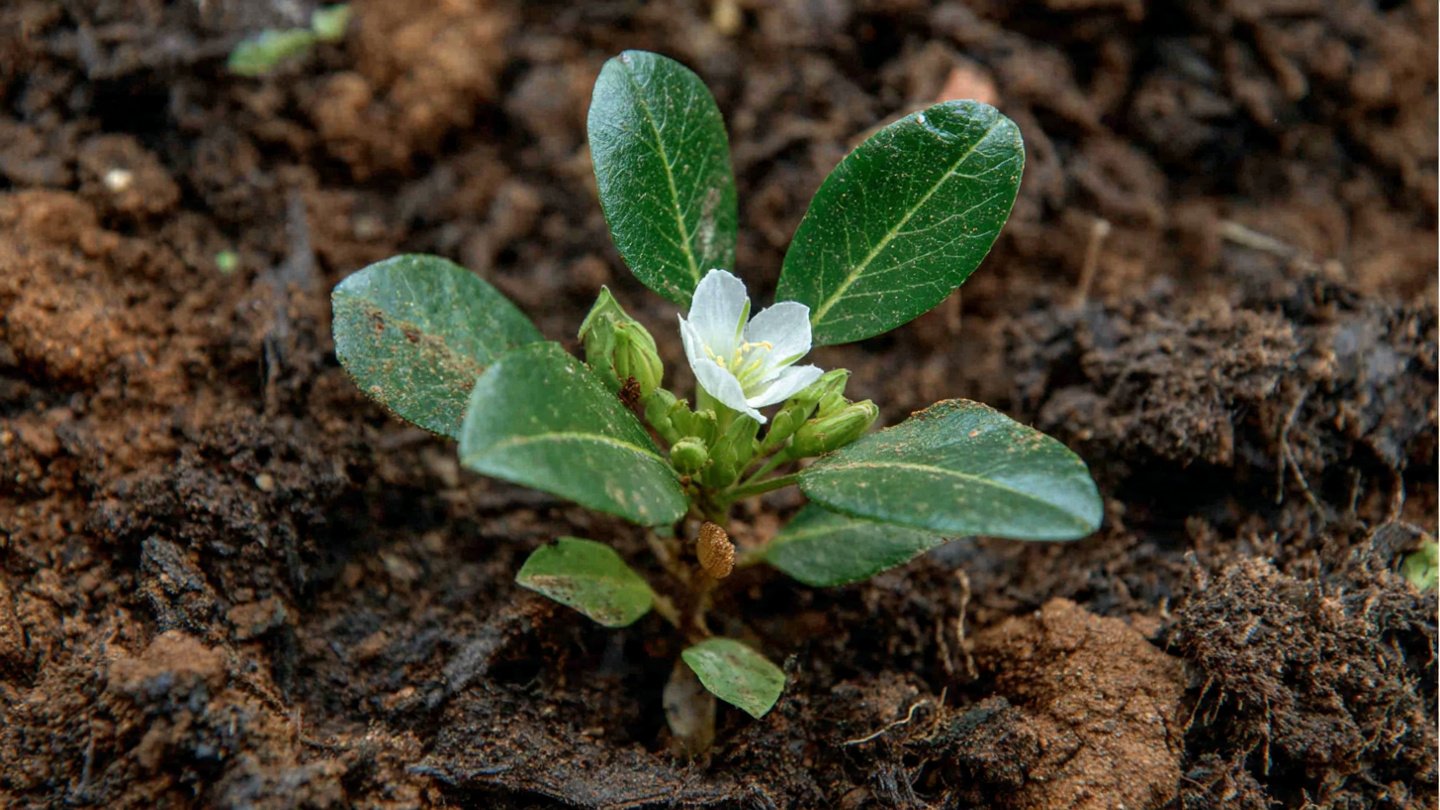
Aparajita, commonly known as Clitoria ternatea or butterfly pea flower, is a versatile and attractive flowering plant celebrated for its stunning blue blooms and numerous medicinal properties. Growing Aparajita from seeds can be an enjoyable and rewarding experience, but proper techniques are essential for successful and accelerated growth. This comprehensive guide will explore effective planting techniques, from seed selection to care practices, ensuring you can cultivate this beautiful plant efficiently.
Understanding Aparajita
Before diving into the cultivation process, it’s essential to appreciate what Aparajita is. Originating from tropical regions of Asia, this perennial vine flourishes in warm climates. The flowers, known for their vibrant blue and violet hues, have been used in traditional medicine, as natural dyes, and as a food colorant in various Asian cuisines.
Latest Posts
- Easy Steps to Successfully Grow Bhindi in Grow Bags at Home
- Easy Steps to Grow a Healthy Guava Bonsai at Home for Beginners
- How to Successfully Grow and Cultivate White Strawberry Plants at Home for Delicious and Unique Fruits
- Ultimate Guide to Successfully Growing Weeping Fig Outdoors with Proven Techniques and Expert Tips
- How to Successfully Grow Flemish Beauty Pear Trees in Canada for Optimal Harvest
- Easy Hack to Grow Strawberries Year Round in Your Home Garden for Delicious Harvests
- Growing Flemish Beauty Pears in Canada A Complete Guide for Local Gardens
- The Ultimate Guide to Growing Hibiscus Plants Year Round for Vibrant Blooms and Healthy Foliage
- Easy Ways to Boost the Growth Rate of Your Indoor Peace Lily for Lush Green Foliage
- How to Successfully Grow Oak Leaf Lettuce in Your Home Garden for Fresh and Flavorful Salads
Seed Selection
The path to successfully growing Aparajita begins with seed selection.
-
Types of Seeds: Choose high-quality seeds from a reputable supplier. Look for seeds that are plump, firm, and free from blemishes or mold. Organic seeds are also a preferred choice for environmentally conscious growers.
-
Germination Rate: Check the germination rate of the seeds. Generally, the higher the germination rate, the better the chances of growing healthy plants.
-
Soaking Seeds: To jumpstart the germination process, soak the seeds in water for 24 hours before planting. This softens the seed coat, allowing moisture to penetrate and trigger germination.
Planting Techniques
1. Timing and Location
Optimal Season: The best time to plant Aparajita seeds is during the spring or early summer when the soil temperature reaches at least 60°F (15°C). The frost-free period is critical, as frost can damage young seedlings.
Choosing the Right Location: Aparajita thrives in full sun, so select a location that receives at least six hours of sunlight daily. The soil should drain well, as waterlogged conditions can lead to seed rot.
2. Soil Preparation
Soil Type: Use well-draining soil rich in organic matter. A mix of loamy soil with compost or well-rotted manure works wonders for the nutrient content.
pH Level: Aim for a soil pH between 6.0 and 7.0. You can test your soil using a home pH testing kit and amend it if needed.
Tilling the Soil: Loosen the soil to a depth of about 12 inches (30 cm). This aeration encourages root growth and increases drainage.
3. Planting Seeds
Spacing: When planting seeds, space them about 12 inches (30 cm) apart. If you’re planting multiple rows, maintain a distance of at least 30 inches (76 cm) between them to promote airflow.
Depth: Plant the seeds about 1 inch (2.5 cm) deep. If you’ve soaked the seeds, they will be softer and easier to handle.
Covering Seeds: Gently cover the seeds with soil, then lightly press down to ensure good soil contact.
4. Watering Techniques
Initial Watering: After planting, water the area gently but thoroughly, ensuring the soil is moist but not waterlogged.
Watering Schedule: Water the seeds regularly, especially during dry spells. Newly planted seeds typically need consistent moisture; however, avoid overwatering, which can lead to fungal diseases.
- Tip: Consider using a moisture meter to check soil moisture levels accurately.
5. Providing Support
As Aparajita is a climbing vine, providing adequate support is crucial as it grows. Use trellises, wires, or other supports for the plants to attach themselves as they climb.
- DIY Support: Create a support structure using bamboo stakes or old fencing, ensuring it’s stable enough to bear the weight of mature vines.
Caring for Aparajita Seedlings
1. Fertilization
Once the seedlings have grown to about 4-6 inches (10-15 cm), begin fertilizing them. Use a balanced fertilizer (10-10-10) for optimal growth.

- Frequency: Fertilize every four to six weeks, adjusting according to the plant’s response.
2. Pruning
Pruning is essential for maintaining the health and appearance of Aparajita plants. Trim back any dead or damaged leaves to promote better airflow and prevent disease spread.
- Timing: Prune in spring or after the blooming season to encourage new growth.
3. Pest and Disease Control
Monitor your plants regularly for signs of pests such as aphids or spider mites. Introducing beneficial insects like ladybugs can help control these pests naturally.
- Fungal Issues: Ensure good air circulation around the plants to minimize fungal diseases. Avoid overhead watering to prevent moisture accumulation on the leaves.
Harvesting and Usage
When your Aparajita plants bloom, you’ll notice the beautiful flowers, which are typically ready for harvest within 8 to 12 weeks after planting.
-
Harvesting: Use scissors to cut the flowers as they bloom fully. This encourages further blooming and extends the flowering season.
-
Uses: The flowers can be used in beverages, desserts, and traditional medicines. They can also be dried and stored for later use.
FAQs
Q1: How long does it take for Aparajita seeds to germinate?
A: Aparajita seeds typically germinate within 2 to 3 weeks, depending on the environmental conditions.
Q2: Can I grow Aparajita in pots?
A: Yes, Aparajita can be grown in pots, provided they have adequate drainage and sufficient space for the roots. Choose a pot that is at least 12 inches deep.
Q3: Is Aparajita a perennial or annual plant?
A: Aparajita is a perennial plant, meaning it can grow back year after year if the conditions are suitable.
Q4: Do I need to provide support for Aparajita?
A: Yes, as a climbing vine, Aparajita requires support such as a trellis or stakes to climb and grow properly.
Q5: What are the medicinal benefits of Aparajita?
A: Aparajita has been used in traditional medicine for various purposes, including treating anxiety, enhancing memory, and promoting skin health.
Q6: How do I propagate Aparajita from cuttings?
A: You can propagate from cuttings by taking a stem cutting after blooming, removing the leaves from the bottom half, and placing it in a pot with soil until roots develop.
Q7: What is the best time to plant Aparajita seeds?
A: The best time to plant Aparajita seeds is during spring or early summer when the risk of frost has passed.
Q8: How can I ensure better blooms from my Aparajita plants?
A: To encourage better blooms, provide full sunlight, adequate water, and regular fertilization.
Growing Aparajita from seeds can be a fulfilling venture. With the right knowledge, techniques, and care, you can cultivate this stunning plant that not only enhances your garden but also supports various health benefits and culinary uses.