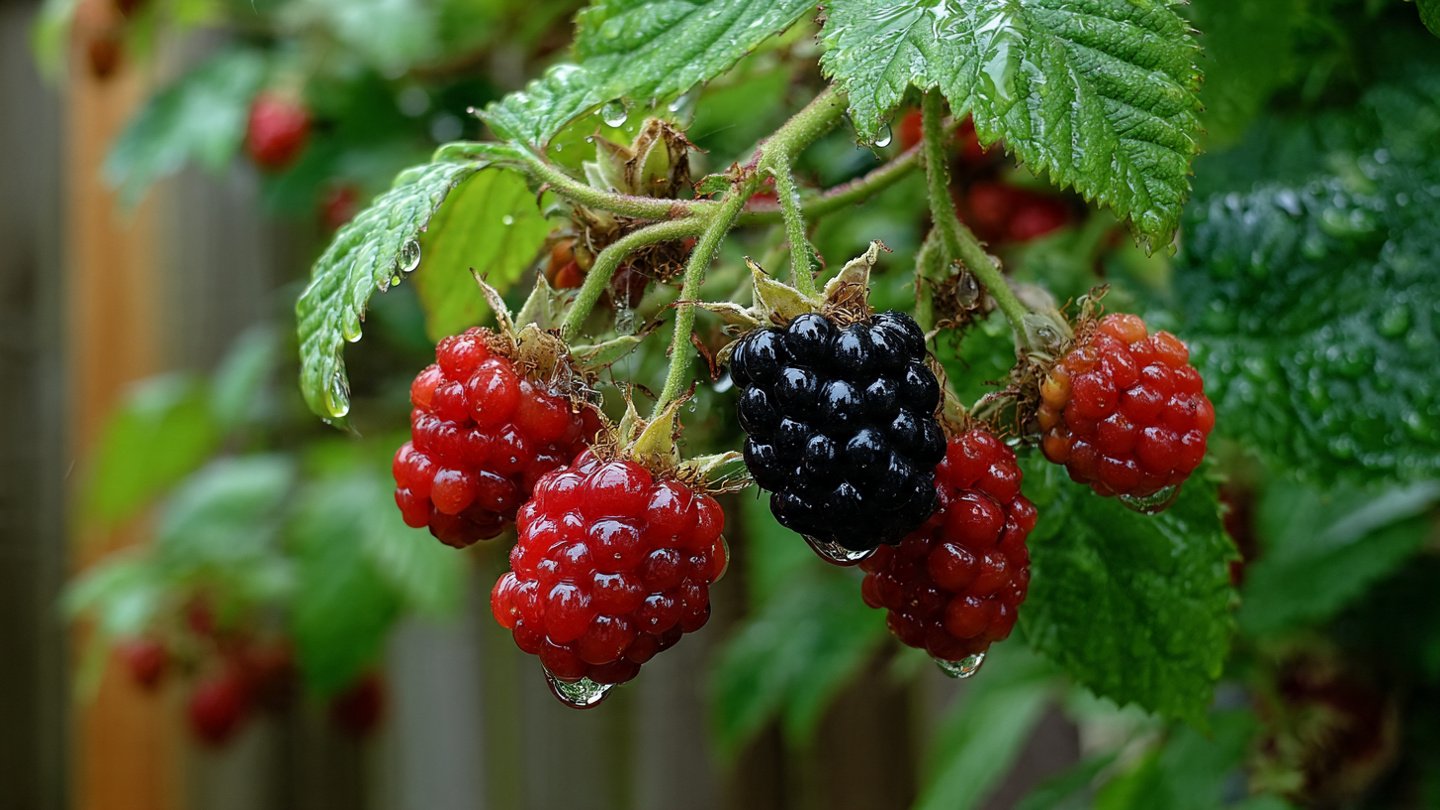
Growing your own fruits can be one of the most rewarding experiences in gardening. Among the many varieties of berries, the Triple Crown blackberry stands out due to its exceptional flavor and hardiness. This comprehensive guide will take you through everything you need to know about cultivating these luscious blackberries in your backyard.
Understanding Triple Crown Blackberries
Triple Crown blackberries are a hybrid cultivar developed in the U.S. They are renowned for their sweet flavor, juicy texture, and larger-than-average fruit size. Their popularity is also due to their thornless canes, making harvesting easier and reducing the risk of scratches for gardeners.
Characteristics of Triple Crown Blackberries
- Flavor: Known for their rich and sweet flavor complemented by a hint of tartness.
- Fruit Size: The berries can grow up to 1 inch in diameter.
- Yield: When well-cared for, a single plant can produce several quarts of berries each season.
- Canes: Thornless, vigorous growth, making them easier to manage.
Choosing the Right Location
Sunlight Requirements
Triple Crown blackberries thrive in full sun. Aim for a location that receives 6 to 8 hours of direct sunlight per day. Insufficient sunlight can lead to poor fruit production and increased susceptibility to diseases.
Soil Conditions
- Soil Type: Well-draining sandy or loamy soil is ideal. Heavy clay soils can lead to root rot and other issues.
- pH Level: The soil should be slightly acidic to neutral, ideally between pH 5.5 and 7.0.
- Nutrient Levels: Enriching the soil with organic matter or compost can provide the necessary nutrients for optimal growth.
Planting Triple Crown Blackberries
When to Plant
The best time to plant Triple Crown blackberries is in early spring after the last frost. If you’re in a warmer climate, you may also plant in the fall.

How to Plant
- Spacing: Space plants about 3 to 4 feet apart to allow for their sprawling growth.
- Depth: Dig a hole about twice the width and depth of the root ball. Place the plant so that the crown is just above the soil level, and backfill with native soil mixed with compost.
Watering
Immediately after planting, water the plants thoroughly. Maintain consistent moisture over the first few weeks to establish their root systems. As they mature, water them about 1 inch per week, either through rainfall or supplemental watering.
Latest Posts
- Easy Steps to Successfully Grow Bhindi in Grow Bags at Home
- Easy Steps to Grow a Healthy Guava Bonsai at Home for Beginners
- How to Successfully Grow and Cultivate White Strawberry Plants at Home for Delicious and Unique Fruits
- Ultimate Guide to Successfully Growing Weeping Fig Outdoors with Proven Techniques and Expert Tips
- How to Successfully Grow Flemish Beauty Pear Trees in Canada for Optimal Harvest
- Easy Hack to Grow Strawberries Year Round in Your Home Garden for Delicious Harvests
- Growing Flemish Beauty Pears in Canada A Complete Guide for Local Gardens
- The Ultimate Guide to Growing Hibiscus Plants Year Round for Vibrant Blooms and Healthy Foliage
- Easy Ways to Boost the Growth Rate of Your Indoor Peace Lily for Lush Green Foliage
- How to Successfully Grow Oak Leaf Lettuce in Your Home Garden for Fresh and Flavorful Salads
Caring for Your Plants
Pruning
Pruning is essential for the health and productivity of your blackberries.
- Summer Pruning: After the first harvest, trim back the canes that have produced fruit. This encourages new growth and improves airflow.
- Winter Pruning: In late winter, cut back the canes to about 3 feet high. Remove any dead or damaged canes and thin out overcrowded areas.
Fertilization
- Initial Feeding: Use a balanced fertilizer (like 10-10-10) when planting.
- Annual Feeding: Apply fertilizer in early spring as new growth begins. Follow up with a second round after the harvest.
Pest and Disease Management
Triple Crown blackberries can be susceptible to various pests and diseases. Here are some common issues and their solutions:
- Pests:
- Spider Mites: Treat with insecticidal soap.
- Japanese Beetles: Hand-pick or use traps.
- Diseases:
- Powdery Mildew: Improve air circulation and apply fungicide if necessary.
- Root Rot: Ensure proper drainage and avoid overwatering.
Mulching
Applying a layer of organic mulch (like straw or wood chips) around your plants can help retain moisture, regulate soil temperature, and suppress weeds. Aim for a mulch layer of about 2-3 inches.

Harvesting Triple Crown Blackberries
When to Harvest
Triple Crown blackberries typically ripen in mid to late summer. The berries are ready to harvest when they are fully black and pull away easily from the vine.
How to Harvest
- Gently grasp the berry and twist it slightly to detach it from the cane.
- Be cautious of any remaining fruits on the vine as they may still be in the ripening phase.
Storage
Once harvested, store the berries in the refrigerator for up to a week. For longer storage, consider freezing them. Lay them out on a baking sheet to freeze before transferring them to freezer bags.
Common Challenges and Solutions
1. Poor Fruit Production
If your plants aren’t producing as expected, evaluate your sunlight exposure, prune correctly, and check your soil quality.
2. Overgrowth
Regular pruning is vital to managing overgrowth. Thin canes and keep only the healthiest ones.

3. Winter Survival
In colder climates, provide protection for your canes by covering them with mulch or straw, especially during harsh winters.
FAQs
What is the best time to plant Triple Crown blackberries?
The best time to plant is in early spring after the last frost or in the fall, particularly in warmer climates.
Do Triple Crown blackberries need a trellis?
While they can be grown without a trellis, using one will help support the canes and improve air circulation, resulting in healthier plants.
How can I increase the yield of my blackberry plants?
Ensure they receive full sunlight, maintain optimal soil conditions, and commit to proper pruning and pest control.

Are Triple Crown blackberries self-pollinating?
Yes, they are self-pollinating, but planting multiple varieties can enhance fruit production.
Can I grow Triple Crown blackberries in a container?
Yes, but make sure the container is at least 5 gallons to provide enough space for root growth.
How often should I water blackberry plants?
Water them consistently, aiming for around 1 inch of water per week, adjusting for rainfall.
Are there any companion plants that work well with blackberries?
Plants like strawberries, beans, and garlic can coexist well with blackberries, providing benefits such as pest management or improved soil health.

How do I prevent my blackberries from getting diseases?
Choose disease-resistant varieties, maintain good air circulation, and practice crop rotation to minimize disease risks.
Conclusion
Growing Triple Crown blackberries in your backyard can be an enriching experience, rewarding you with delicious, nutritious berries. Following this guide will help you successfully cultivate your own blackberry patch, ensuring a bountiful harvest for years to come. Happy gardening!