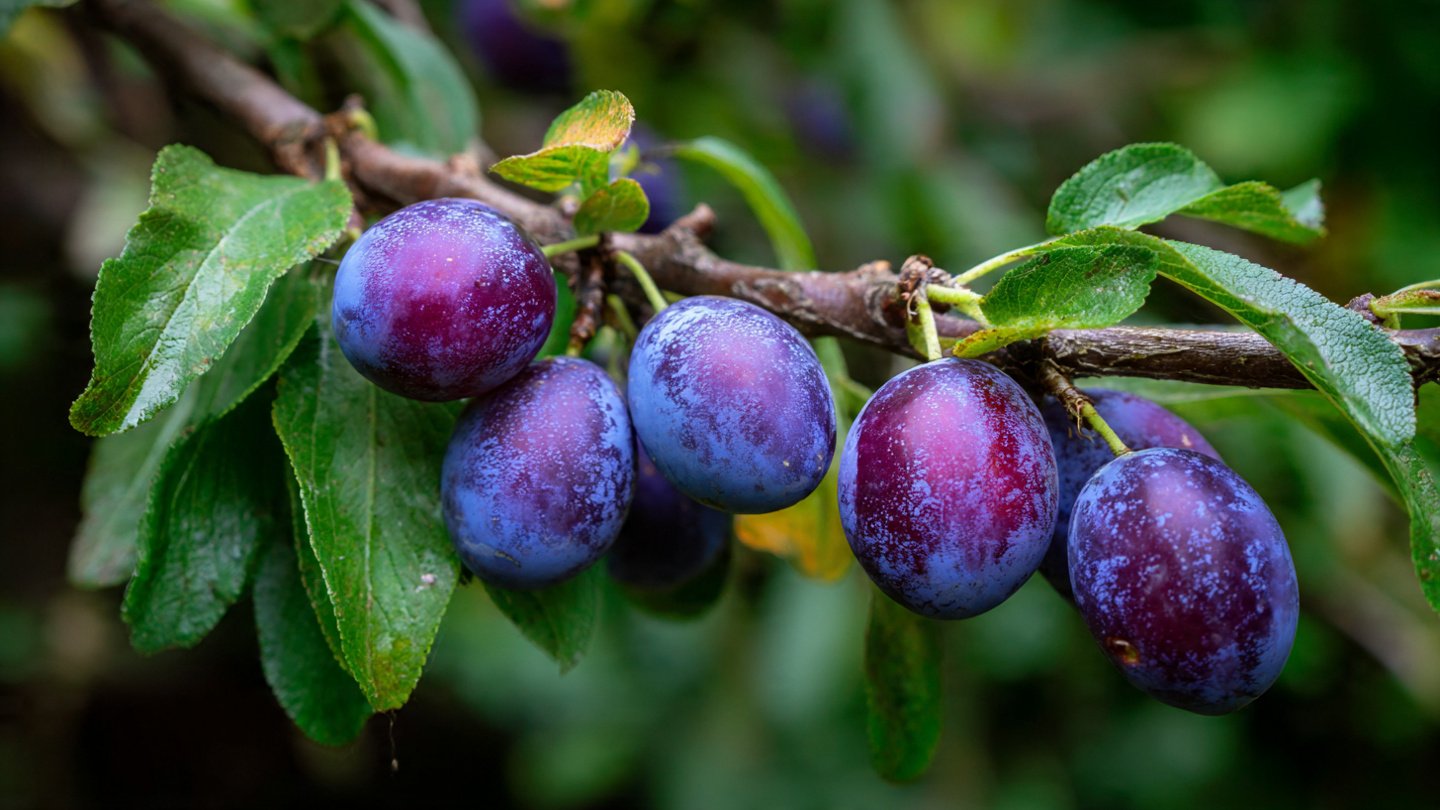
Introduction to Damson Plums
Damson plums are a cherished orchard fruit, known for their unique flavor and versatility. With a rich history dating back to ancient times, these small, dark purple plums are often used in jams, jellies, and various desserts. If you’re considering adding these delightful fruits to your backyard, this guide will walk you through all the essential steps—from choosing the right variety to harvesting your delicious plums.
Understanding Damson Plums
Latest Posts
- Easy Steps to Successfully Grow Bhindi in Grow Bags at Home
- Easy Steps to Grow a Healthy Guava Bonsai at Home for Beginners
- How to Successfully Grow and Cultivate White Strawberry Plants at Home for Delicious and Unique Fruits
- Ultimate Guide to Successfully Growing Weeping Fig Outdoors with Proven Techniques and Expert Tips
- How to Successfully Grow Flemish Beauty Pear Trees in Canada for Optimal Harvest
- Easy Hack to Grow Strawberries Year Round in Your Home Garden for Delicious Harvests
- Growing Flemish Beauty Pears in Canada A Complete Guide for Local Gardens
- The Ultimate Guide to Growing Hibiscus Plants Year Round for Vibrant Blooms and Healthy Foliage
- Easy Ways to Boost the Growth Rate of Your Indoor Peace Lily for Lush Green Foliage
- How to Successfully Grow Oak Leaf Lettuce in Your Home Garden for Fresh and Flavorful Salads
What Are Damson Plums?
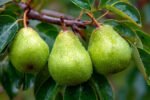
Damson plums are a subspecies of the European plum, scientifically known as Prunus domestica subsp. insititia. They are smaller than many traditional plums, usually around 1 to 2 inches in diameter, with a slightly tart flavor profile that sets them apart. They have a deep purple or blue skin and vibrant yellow to greenish-yellow flesh, making them visually appealing as well.
Varieties of Damson Plums
- Common Damson: This versatile variety is popular for its rich flavor.
- Shropshire Prune: Known for its sweet and juicy flesh, ideal for fresh eating.
- Pond’s Seedling: A robust cultivar that is resistant to disease and offers excellent yields.
Choosing the Right Location
Sunlight Requirements
Damson plums thrive in well-drained soils and require full sunlight for optimal growth. Aim for a location that receives at least 6 to 8 hours of sunlight daily. A south-facing site is usually the best choice, as it maximizes exposure to the sun.
Soil Preparation
Before planting, prepare the soil by testing its pH. Damson plums prefer slightly acidic to neutral soil, ideally between 6.0 and 7.0. Amend the soil with organic matter, such as compost or well-rotted manure, to enhance drainage and nutrition.
Space Considerations
When planting multiple trees, allow sufficient space between them—at least 10 to 15 feet apart. This ensures adequate air circulation, reducing the risk of pests and disease.
Planting Damson Plum Trees
Best Time to Plant
The ideal time for planting damson plums is during the spring or fall when the temperatures are moderate. It is crucial to avoid frost-prone periods.
Planting Steps
- Dig a Hole: Prepare a hole that is twice as wide and as deep as the tree’s root ball.
- Soak the Roots: Before planting, soak the roots in water for a few hours to encourage hydration.
- Place the Tree: Position the tree in the hole, ensuring that the graft union is above the soil line.
- Backfill the Hole: Gently refill the hole with soil, tamping it down to eliminate air pockets.
- Water Thoroughly: Water the tree deeply after planting to help it settle into its new environment.
Caring for Your Damson Plum Trees
Watering
Watering is critical, especially during the first few years. Deep watering is recommended, allowing the top few inches of soil to dry out between sessions. As the tree matures, it will require less frequent watering.
Fertilization
Fertilizing your damson plums stimulates growth and fruit production:
- Early Spring: Apply a balanced fertilizer, adhering to the manufacturer’s instructions.
- Mid-summer: A second round of fertilizer can enhance the growth and fruit yield.
Pruning
- Initial Pruning: In the first year, prune to develop a strong central leader—usually the main trunk.
- Annual Pruning: Annually prune during dormancy (late winter) to remove dead or crowded branches, allowing for better air circulation.
Pest and Disease Control
Damson plums are susceptible to various pests and diseases, including aphids, plum curculio, and brown rot. Here are some tips for managing these issues:

- Regular Inspection: Frequently check your trees for signs of stress, such as discoloration or damaged leaves.
- Natural Predators: Encourage beneficial insects like ladybugs that feed on aphids.
- Organic Treatments: Consider using neem oil or insecticidal soap for pest control.
Mulching
Applying a layer of mulch around the base of the tree helps retain moisture, suppress weeds, and regulate soil temperature. Use organic materials like wood chips or straw, keeping it a few inches away from the trunk.
Harvesting Damson Plums
When to Harvest
Damson plums typically ripen between late summer and early fall, depending on the variety and climate. They are ripe when they have a deep color and yield slightly to pressure.
How to Harvest
Use pruning shears to carefully cut the fruit from the branch to avoid damaging the tree. Handle the fruit gently, as they bruise easily.
Storing Damson Plums
Store unwashed damson plums in a cool, dry place for up to two weeks. For longer storage, consider freezing or preserving them in jams or jellies.
How to Use Damson Plums
Damson plums can be used in various culinary applications:
- Jams and Jellies: Their tartness makes them an ideal base for spreads.
- Baking: Add them to pies, crumbles, or cakes for a unique flavor.
- Savory Dishes: Incorporate them into sauces or chutneys for meats.
Frequently Asked Questions (FAQs)
1. Can damson plums be grown in containers?
Yes, damson plums can be grown in large containers, making them suitable for small backyards. Ensure the pot has adequate drainage and use high-quality potting soil.
2. How long does it take for damson plums to bear fruit?
Damson plums typically take about 3 to 5 years after planting to start bearing fruit, depending on the variety and growing conditions.
3. Do damson plums require cross-pollination?
While some damson varieties can produce fruit without a pollinator, planting a different plum variety nearby can enhance fruit yield.
4. Are damson plums self-pollinating?
Many damson plum varieties are self-pollinating, but cross-pollination from another tree can improve the quantity and quality of the fruit.
5. What should I do if my damson plums aren’t producing fruit?
If your damson trees are healthy but not producing fruit, consider factors such as age, sunlight exposure, pest issues, or nutrient deficiencies.
6. Can I prune my damson trees in the summer?
It’s best to prune damson plum trees during their dormant season in late winter. Pruning in the summer can stress the tree and lead to reduced growth.
Conclusion
Growing damson plums in your backyard can be a rewarding experience. With proper care, patience, and attention to detail, you can enjoy an abundant harvest of flavorful plums. Whether used in jams, desserts, or eaten fresh, damson plums are sure to add a touch of sweetness to your gardening endeavors. Start your journey today, and soon enough, you’ll be relishing the fruits of your labor!