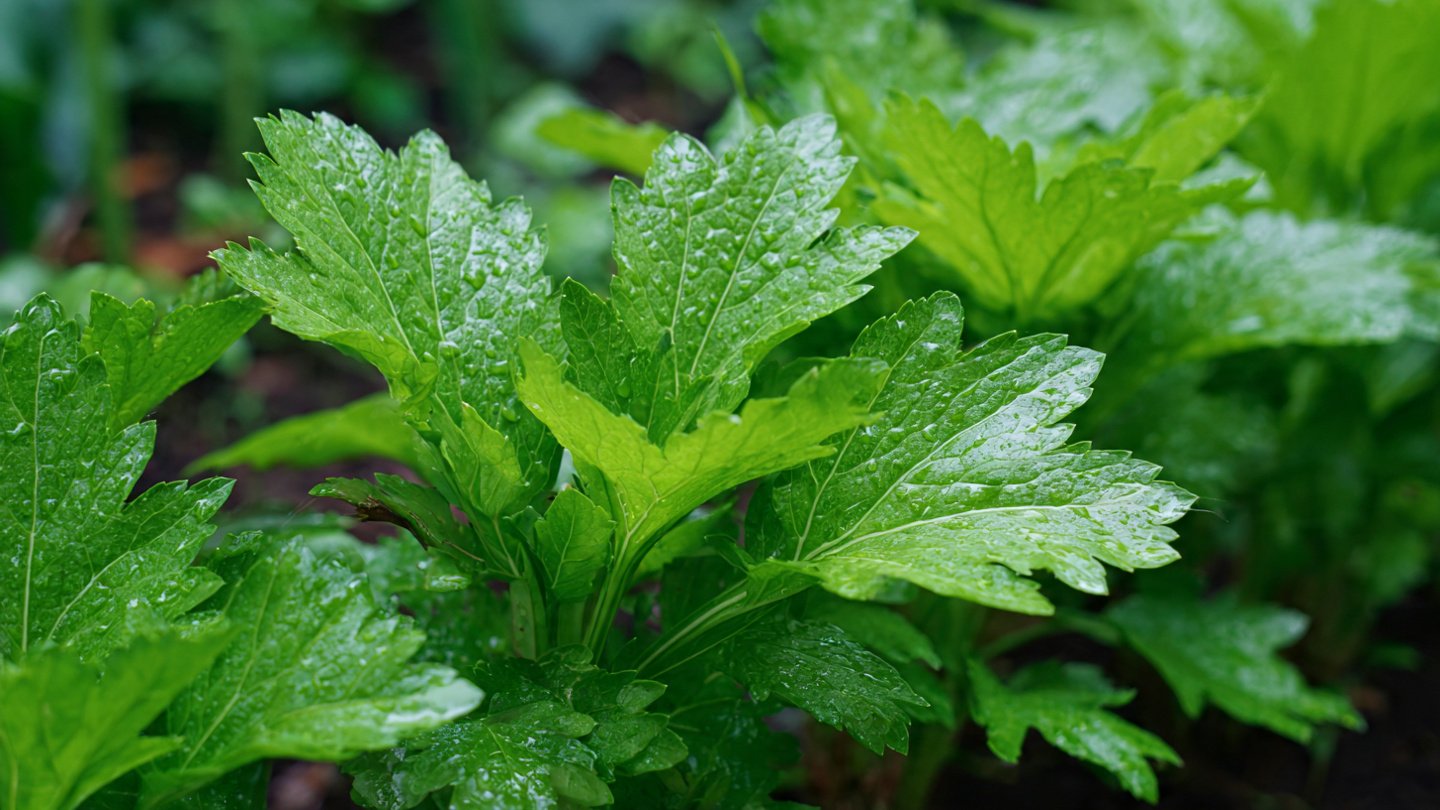
Culantro (Eryngium foetidum), also known as Mexican coriander or spiny coriander, is a perennial herb widely used in culinary dishes in Latin America, Asia, and the Caribbean. While it has a similar flavor profile to cilantro, culantro has a stronger, more pungent taste and a unique aroma that makes it a favorite among many chefs and home cooks. If you’re interested in cultivating culantro in your garden, this article will guide you through simple steps to ensure a successful crop.
Step 1: Understanding the Plant’s Requirements
Before you can successfully grow culantro, it’s crucial to understand its growing requirements:
Latest Posts
- Easy Steps to Successfully Grow Bhindi in Grow Bags at Home
- Easy Steps to Grow a Healthy Guava Bonsai at Home for Beginners
- How to Successfully Grow and Cultivate White Strawberry Plants at Home for Delicious and Unique Fruits
- Ultimate Guide to Successfully Growing Weeping Fig Outdoors with Proven Techniques and Expert Tips
- How to Successfully Grow Flemish Beauty Pear Trees in Canada for Optimal Harvest
- Easy Hack to Grow Strawberries Year Round in Your Home Garden for Delicious Harvests
- Growing Flemish Beauty Pears in Canada A Complete Guide for Local Gardens
- The Ultimate Guide to Growing Hibiscus Plants Year Round for Vibrant Blooms and Healthy Foliage
- Easy Ways to Boost the Growth Rate of Your Indoor Peace Lily for Lush Green Foliage
- How to Successfully Grow Oak Leaf Lettuce in Your Home Garden for Fresh and Flavorful Salads
Climate
Culantro thrives in warm, humid climates and prefers temperatures between 70°F and 90°F (21°C to 32°C). It can tolerate some shade, making it suitable for various garden settings.
Soil Type
Culantro flourishes in well-draining, nutrient-rich soil with a pH level between 6.0 and 7.5. Adding organic matter, such as compost, can improve soil quality and support plant growth.
Sunlight
While culantro can tolerate partial shade, it grows best in full sun. Aim for at least 4-6 hours of direct sunlight daily for optimal growth.
Step 2: Preparation of the Growing Site
Once you understand the plant’s requirements, it’s time to prepare your growing site:
Selecting a Location
Choose a spot in your garden that gets plenty of sunlight and is sheltered from strong winds. If you live in a hotter climate, consider an area that receives some afternoon shade.
Soil Preparation
- Clear the Area: Remove any weeds, rocks, or debris from the chosen garden spot.
- Test the Soil: A soil test kit can help determine pH and nutrient levels.
- Amend the Soil: If needed, amend the soil based on test results. Incorporate organic compost to improve nutrient content.
Step 3: Propagation Methods
Culantro can be propagated either through seeds or cuttings. Let’s explore both methods:
Growing from Seeds
- Sowing Seeds: Plant seeds about ¼ inch deep in prepared soil. Space them 6-12 inches apart to allow for growth.
- Watering: Keep the soil consistently moist but not soggy. Sprout time can vary between 2-3 weeks, depending on the soil temperature.
- Thinning: Once plants are a few inches tall, thin them to ensure adequate space for growth.
Growing from Cuttings
- Selecting Cuttings: Take 4-6 inch cuttings from a healthy culantro plant.
- Rooting: Place the cuttings in a glass of water or directly into well-draining soil. Roots will typically develop within 2-3 weeks.
- Transplanting: Once roots are established, transplant the cuttings into your garden.

Step 4: Regular Maintenance
Successful cultivation of culantro involves ongoing care:
Watering
Culantro enjoys moist soil, so regular watering is essential, especially during dry spells. Aim for 1 inch of water per week, either through rainfall or irrigation. Avoid waterlogging, as this can lead to root rot.
Fertilization
Feed your culantro plants with a balanced, slow-release fertilizer every 4-6 weeks during the growing season. Organic options like fish emulsion or compost tea can provide necessary nutrients.
Pruning
Regularly prune your culantro plants to encourage bushier growth. Remove dead or faded leaves to prevent disease and promote airflow.
Step 5: Pest and Disease Management
While culantro is relatively resistant to pests and diseases, it’s still important to be vigilant:
Common Pests
- Aphids: Small insects that feed on plant sap. You can manage aphids with insecticidal soap or neem oil.
- Whiteflies: These pests can be controlled through sticky traps and natural predators like ladybugs.

Common Diseases
- Root Rot: Caused by overwatering. Ensure proper drainage to prevent this issue.
- Fungal Infections: Maintain good air circulation and avoid overcrowding to reduce fungal disease risks.
Step 6: Harvesting and Usage
Once your culantro plants are well-established, you can begin harvesting:
When to Harvest
Culantro leaves can be harvested when they reach around 6 inches in height. Regular harvesting encourages new growth, leading to more robust plants.
How to Harvest
- Use sharp, clean scissors or garden shears to avoid damaging the plant.
- Cut leaves close to the base, leaving some behind for future growth.
- Always harvest in the morning when the leaves are at their freshest.
Culinary Uses
Culantro is a versatile herb with a variety of culinary applications. Use it in:

- Salsas and sauces
- Soups and stews
- Salads
- Marinades
Step 7: Overwintering Culantro
If you live in a cooler climate, you may need to manage your culantro plants during the winter:
Mulching
Apply a layer of mulch around the base of the plants to help insulate them against cold temperatures.
Indoor Transition
If temperatures drop significantly, consider potting your culantro plants and bringing them indoors during the colder months.
FAQs
Q1: Can I grow culantro indoors?
Yes! Culantro can be grown indoors in pots. Ensure they receive adequate sunlight and moisture for optimal growth.
Q2: How long does it take for culantro to mature?

Culantro typically takes 10-12 weeks from planting to maturity, depending on the growing conditions.
Q3: Is culantro the same as cilantro?
While culantro and cilantro (Coriandrum sativum) belong to different plant families, they share similar flavor profiles. However, culantro has a stronger and more intense flavor.
Q4: Can I use culantro seeds from the store?
Store-bought culantro seeds may not be viable for planting. It’s best to source seeds from reputable suppliers or harvest seeds from healthy plants.
Q5: How do I store fresh culantro leaves?
Store fresh culantro in a plastic bag in the refrigerator. You can also freeze it by chopping and placing it in ice cube trays with water.
Q6: What can I do if my culantro plant flowers?
When culantro flowers, it indicates the plant is going to seed. While you can leave the flowers for seed production, the leaves will become more bitter. Harvest or cut the flowers to promote leaf growth.
Conclusion
Cultivating culantro can be a rewarding experience, adding both flavor and aesthetic appeal to your garden. By following these simple steps, you can successfully grow this aromatic herb, enhancing your culinary creations for years to come. With patience and care, you’ll soon enjoy the robust, flavorful leaves of your very own culantro plants!