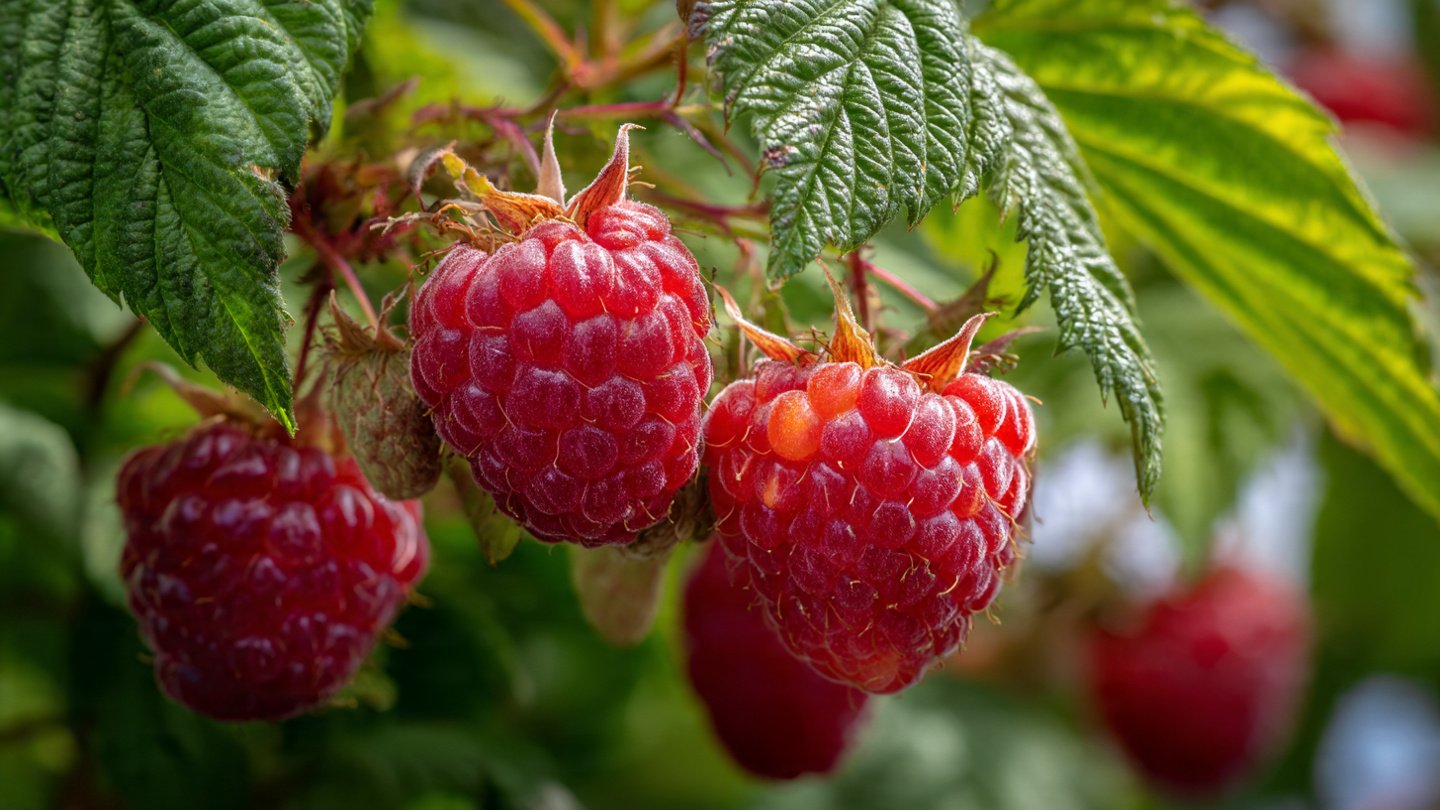
Growing raspberries can be a rewarding endeavor for any gardener. With their sweet flavor and nutritional benefits, raspberries are not only delicious but also versatile in the culinary world. However, many gardeners struggle with how to grow them efficiently. Fortunately, there are several easy hacks and techniques that can significantly enhance the growth rate of your raspberry plants. This article will delve into these methods and provide you with simple tips to ensure a bountiful raspberry harvest.
Table of Contents
- Easy Steps to Successfully Grow Bhindi in Grow Bags at Home
- Easy Steps to Grow a Healthy Guava Bonsai at Home for Beginners
- How to Successfully Grow and Cultivate White Strawberry Plants at Home for Delicious and Unique Fruits
- Ultimate Guide to Successfully Growing Weeping Fig Outdoors with Proven Techniques and Expert Tips
- How to Successfully Grow Flemish Beauty Pear Trees in Canada for Optimal Harvest
- Easy Hack to Grow Strawberries Year Round in Your Home Garden for Delicious Harvests
- Growing Flemish Beauty Pears in Canada A Complete Guide for Local Gardens
- The Ultimate Guide to Growing Hibiscus Plants Year Round for Vibrant Blooms and Healthy Foliage
- Easy Ways to Boost the Growth Rate of Your Indoor Peace Lily for Lush Green Foliage
- How to Successfully Grow Oak Leaf Lettuce in Your Home Garden for Fresh and Flavorful Salads
- Understanding Raspberry Varieties
- Choosing the Right Location
- Soil Preparation
- Optimal Planting Techniques
- Watering Efficiently
- Fertilization Hacks
- Pruning for Productivity
- Keeping Pests and Diseases at Bay
- Harvesting Tips
- FAQs
Latest Posts
1. Understanding Raspberry Varieties
Before diving into the techniques, it’s essential to know that there are two main types of raspberries: summer-bearing and ever-bearing (or fall-bearing). Summer-bearing varieties typically produce one significant crop in the summer, while ever-bearing types can produce crops in both summer and fall.

Choosing the right variety for your climate and growing conditions is crucial. Some popular varieties include:
- Heritage: A hardy ever-bearing variety.
- Chester: A thornless summer variety that’s disease-resistant.
- Caroline: An ever-bearing variety known for its large fruit and strong production.
Research your chosen variety to understand its requirements and growing habits.
2. Choosing the Right Location
Raspberries thrive in a sunny, well-drained location. Here are some tips for choosing the ideal spot:
- Sunlight: Aim for at least 6 to 8 hours of direct sunlight daily.
- Wind Protection: A sheltered area can help prevent damage to canes.
- Drainage: Avoid areas with standing water to prevent roots from rotting.
Consider planting raspberries in a raised bed if your soil drains poorly, or they may struggle to grow.

3. Soil Preparation
Raspberries prefer slightly acidic, loamy soil. Here’s how to prepare your soil for optimal growth:
- pH Testing: Test your soil pH to ensure it’s between 5.5 and 6.8. You can buy a soil pH test kit at your local garden center.
- Amendments: You can improve your soil by adding organic matter like compost or well-rotted manure. This not only enriches the soil but also improves drainage and aeration.
When preparing the bed, aim for a depth of about 12 to 18 inches, mixing in organic materials to encourage healthy growth.
4. Optimal Planting Techniques
Planting techniques can significantly influence raspberry growth:
- Spacing: Give each raspberry plant enough space (around 2 to 3 feet apart) to allow for proper air circulation and light penetration.
- Depth: Ensure that the crown of the plant sits just above the soil line. Planting too deep can lead to crown rot.
- Mulching: Apply a layer of mulch around the base of the plants to help retain moisture and suppress weeds.
5. Watering Efficiently

Raspberries need adequate moisture, especially during the growing season. Here’s how to water them most effectively:
- Frequency: Water once or twice a week, ensuring about 1 to 2 inches of water each time. During dry spells, you may need to increase this frequency.
- Method: Drip irrigation systems are optimal as they provide consistent moisture without wetting the leaves, which can lead to fungal diseases.
- Soil Testing: Test the soil before watering; the top inch should be dry, indicating it’s time to water.
6. Fertilization Hacks
Fertilizing your raspberries appropriately can promote faster growth. Here’s a simple guide:
- Types of Fertilizer: Use a balanced fertilizer, like a 10-10-10 mix, during the growing season. Alternatively, organic options such as compost tea can be valuable.
- Timing: Apply fertilizer when new growth begins in spring and again after the harvest to prepare plants for the following season.
- Quantity: Avoid over-fertilizing; too much nitrogen can lead to lush foliage at the expense of fruit production.
7. Pruning for Productivity
Pruning is critical for fostering a healthy raspberry plant and can expedite growth. Here’s how to do it correctly:
- Timing: For summer-bearing varieties, prune in late winter or early spring. For ever-bearing types, prune in late winter for the best fall harvest.
- Technique: Remove all dead canes and any that did not produce fruit. For ever-bearing types, cut canes back to the ground after the fall harvest.
- Height: Consider trimming new canes to about 3 to 4 feet tall to promote lateral growth.

8. Keeping Pests and Diseases at Bay
Raspberries are vulnerable to various pests and diseases. Here’s how to manage them effectively:
- Regular Inspections: Frequently check your plants for signs of pests like aphids or spider mites.
- Organic Solutions: Use insecticidal soap or neem oil for pest control. These solutions are less harmful to beneficial insects.
- Disease Prevention: Ensure good air circulation and avoid overhead watering to minimize the risk of fungal diseases. Plant resistant varieties where possible.
9. Harvesting Tips
Knowing when and how to harvest your raspberries can make a significant difference:
- Timing: Raspberries are ready to be picked when they come off easily from the plant and have a deep color.
- Technique: Use your thumb and forefinger to gently roll the berry off the plant to avoid damaging the fruit.
- Storage: Raspberries should be consumed soon after harvesting. If necessary, store them in the refrigerator, but avoid washing them until just before use.

10. FAQs
Q1: How long does it take for raspberries to produce fruit?
A: Raspberries typically take about 1 to 2 years to produce fruit after planting, depending on the variety and growing conditions.
Q2: Can I grow raspberries in containers?
A: Yes, raspberries can be grown in containers. Choose a large pot with good drainage and use high-quality potting soil.
Q3: How much sun do raspberries need?
A: Raspberries require at least 6 to 8 hours of direct sunlight daily for optimal growth.
Q4: When is the best time to plant raspberries?
A: The best time to plant raspberries is in early spring or late fall, depending on your climate zone.
Q5: How do I support berry canes?
A: Use a trellis system or support stakes to keep the canes upright, which helps with air circulation and fruit visibility.
Q6: What common diseases affect raspberries?
A: Common diseases include grey mold and root rot. Regular inspections and proper care can help mitigate these risks.
Conclusion
Growing raspberries can be a simple and fruitful endeavor when armed with the proper techniques and knowledge. From selecting the right variety to mastering watering and fertilization, each step contributes to a faster-growing and healthier raspberry plant. Implement these tips, and watch your raspberry garden flourish! Happy gardening!