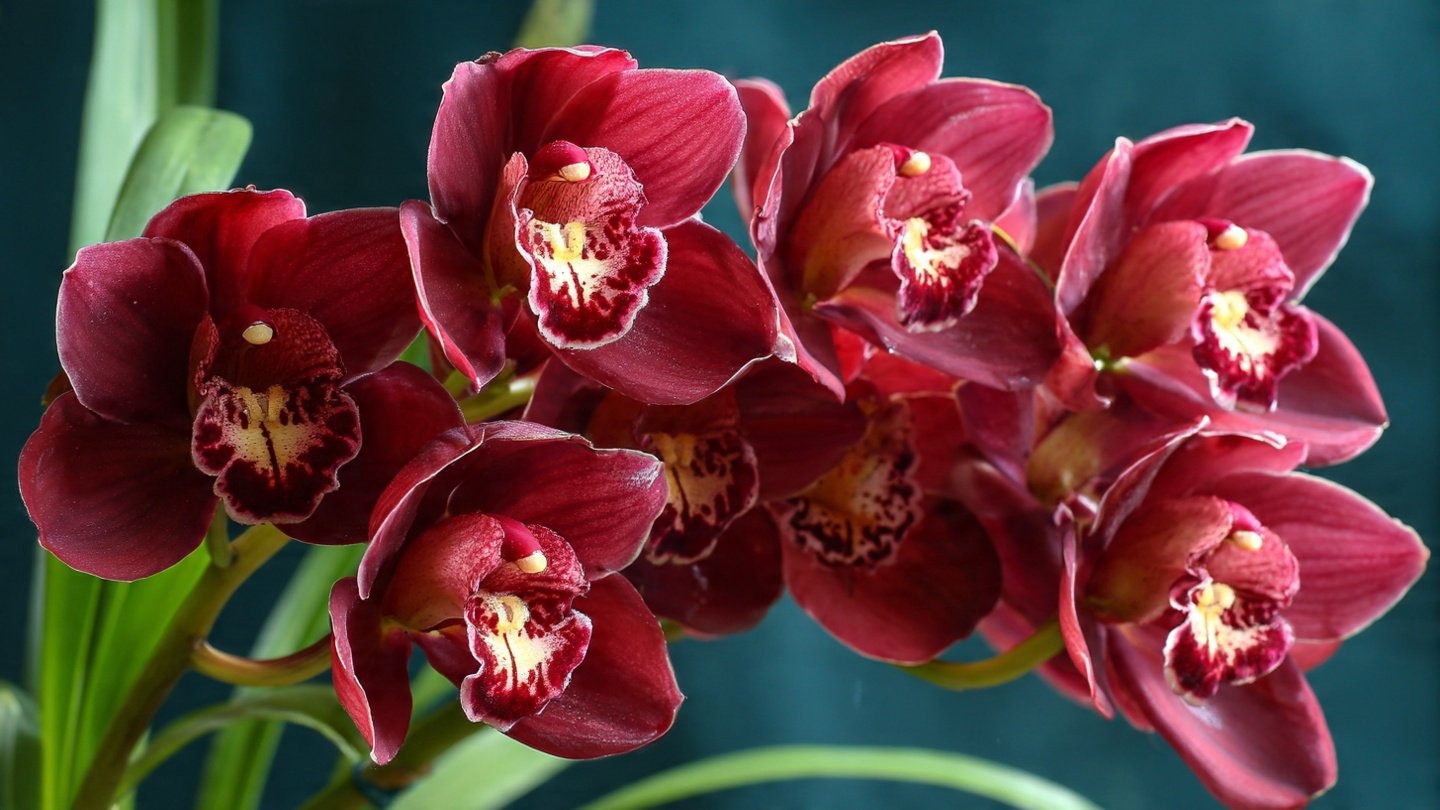
Cymbidium orchids are among the most popular orchids for indoor cultivation, thanks to their stunning floral displays and relatively straightforward care. With the right conditions, these orchids can thrive indoors year-round, providing beautiful blossoms that can brighten any space. This guide aims to help you successfully grow Cymbidium orchids indoors, covering everything from choosing the right potting mix to common pests and diseases.
Understanding Cymbidium Orchids
Cymbidium orchids, commonly known as boat orchids, are native to Asia and Australia. They feature elongated leaves and elegant blooms that can last several weeks. Each flower spike can produce multiple flowers, coming in a variety of colors, including white, yellow, green, and red.
Latest Posts
- Easy Steps to Successfully Grow Bhindi in Grow Bags at Home
- Easy Steps to Grow a Healthy Guava Bonsai at Home for Beginners
- How to Successfully Grow and Cultivate White Strawberry Plants at Home for Delicious and Unique Fruits
- Ultimate Guide to Successfully Growing Weeping Fig Outdoors with Proven Techniques and Expert Tips
- How to Successfully Grow Flemish Beauty Pear Trees in Canada for Optimal Harvest
- Easy Hack to Grow Strawberries Year Round in Your Home Garden for Delicious Harvests
- Growing Flemish Beauty Pears in Canada A Complete Guide for Local Gardens
- The Ultimate Guide to Growing Hibiscus Plants Year Round for Vibrant Blooms and Healthy Foliage
- Easy Ways to Boost the Growth Rate of Your Indoor Peace Lily for Lush Green Foliage
- How to Successfully Grow Oak Leaf Lettuce in Your Home Garden for Fresh and Flavorful Salads
These orchids typically bloom during the cooler months, making them a delightful addition to indoor settings. Understanding their natural habitat can help you replicate the conditions they need to thrive indoors.
Natural Habitat and Conditions
In the wild, Cymbidium orchids are usually found in warmer mountain regions where they thrive in partial shade. This preference for lighter conditions but not direct sunlight means that when growing them indoors, you need to simulate these natural conditions as closely as possible.
Choosing the Right Environment
Light Requirements
Cymbidium orchids thrive in bright, indirect sunlight. Too much direct sunlight can scorch the leaves, while too little light may inhibit blooming. A south or east-facing window is generally ideal. If necessary, you can filter sunlight with sheer curtains.
Temperature and Humidity
Cymbidium orchids prefer a temperature range between 65°F and 75°F (18°C – 24°C) during the day and can tolerate slightly cooler temperatures at night, ideally around 55°F to 65°F (13°C – 18°C).

These orchids appreciate humidity levels of 40% to 60%. If your home is on the drier side, especially in winter, consider using a humidity tray or a humidifier.
Air Circulation
Good air circulation is crucial for healthy growth. Place your orchids in a room where air can flow freely around them. Avoid places with stagnant air, as this can lead to fungal infections.
Potting and Repotting Cymbidium Orchids
Choosing the Right Potting Mix
Cymbidiums require a well-draining potting mix. A combination of bark, perlite, and sphagnum moss usually works well. This mix mimics their natural growing conditions, allowing for good drainage while retaining some moisture.
Pot Selection
Choose a pot that is slightly larger than the root ball of your orchid. Ensure it has drainage holes at the bottom to prevent waterlogging. Clay pots are often preferred as they provide more aeration than plastic pots.
Repotting Needs
Cymbidium orchids should be repotted every 1-2 years or when the potting mix has broken down. Early spring, just before the new growth begins, is the best time to repot. Remove dead or rotten roots and refresh the potting medium.
Watering Cymbidium Orchids
Watering Practices
Cymbidium orchids prefer a consistent yet moderate watering schedule. The general rule is to water when the top inch of the potting mix feels dry. During active growth, this could be once a week, while in the winter, you may reduce watering to every two weeks.

Water Quality
Use room temperature, non-chlorinated water when you irrigate your plants. Rainwater, distilled water, or water that has sat out for 24 hours can be good options.
Signs of Overwatering or Underwatering
Overwatering can lead to root rot, evidenced by yellowing leaves and mushy roots. On the other hand, underwatering may cause leaves to wrinkle and drop. Monitor your orchid closely and adjust your watering accordingly.
Fertilizing Cymbidium Orchids
Fertilizer Type and Schedule
Cymbidium orchids benefit from a balanced, water-soluble fertilizer. During the growing season (spring to summer), fertilize every two weeks. In fall and winter, reduce this to once a month. You can use a specialized orchid fertilizer, or a 30-10-10 formula diluted to half strength.
Signs of Nutrient Deficiency
If your orchid is not thriving, it may be due to nutrient deficiencies. Look for signs like yellowing leaves or stunted growth. A balanced fertilization routine can help maintain your orchid’s health.
Pruning and Grooming
Removing Old Leaves and Flowers
After the blooming season, cut the flower spikes back to the base of the plant. You may also need to remove any yellowing or damaged leaves to encourage new growth.

Maintaining Plant Health
Regularly inspect your plants for pests and diseases. Removing any affected leaves or flowers can keep your orchid healthy. Use sterilized tools to prevent the spread of pathogens.
Pest and Disease Management
Common Pests
Cymbidium orchids can encounter pests such as aphids, scale insects, and spider mites. Regularly inspect your plants. If you find a pest infestation, use insecticidal soap or Neem oil to treat the affected areas.
Common Diseases
Fungal and bacterial infections, such as crown rot and leaf spot, can affect your orchids. Good air circulation and avoiding overhead watering can prevent many of these issues. If you notice symptoms, immediately remove the affected parts and treat with a suitable fungicide or bactericide.
Encouraging Blooms
Temperature Variation
To encourage blooming, provide a drop in nighttime temperatures (around 15° F) for a couple of weeks in late summer. This mimics natural seasonal changes and may prompt your plant to produce flowers.
Light Exposure
Ensure your Cymbidium receives adequate light, adjusting light levels as necessary throughout the year. More light during active growth will contribute to more robust blooms.
FAQs: Growing Cymbidium Orchids Indoors

1. How often should I water my Cymbidium orchid?
Water your Cymbidium orchid when the top inch of the potting mix feels dry, usually once a week or every two weeks in winter.
2. What type of potting mix is best?
A mix of bark, perlite, and sphagnum moss provides excellent drainage and mimics the orchid’s natural growing conditions.
3. Do Cymbidium orchids need direct sunlight?
No, they prefer bright, indirect sunlight. Too much direct sunlight can scorch the leaves.
4. When should I repot my Cymbidium?
Repot every 1-2 years, preferably in early spring, when the new growth begins.
5. How can I encourage blooming?
Provide a drop in nighttime temperatures late in summer and ensure adequate light.
6. What pests should I watch for?
Common pests include aphids, scale insects, and spider mites. Regular checks can help catch issues early.

7. What are the signs of overwatering?
Yellowing leaves and mushy roots are signs of overwatering. Adjust your watering schedule accordingly.
8. Do I need to fertilize during the winter?
Yes, during the fall and winter months, reduce fertilization to once a month or so, depending on the plant’s growth stage.
9. What humidity levels are best for Cymbidium orchids?
Aim for humidity levels between 40% and 60%. Consider using a humidifier if your home is dry.
10. Can I grow Cymbidium orchids outdoors?
While they can be grown outdoors in suitable climates, FOR indoor growers, they thrive beautifully in controlled environments with proper care.
Conclusion
Successfully growing Cymbidium orchids indoors requires understanding their specific needs regarding light, temperature, humidity, and care practices. With the right potting mix, a consistent watering and fertilization routine, and vigilance against pests and diseases, you can enjoy the beauty of these stunning orchids year-round. Remember to be patient and enjoy the rewarding experience of nurturing your Cymbidium to bloom, brightening your indoor space with their magnificent flowers.