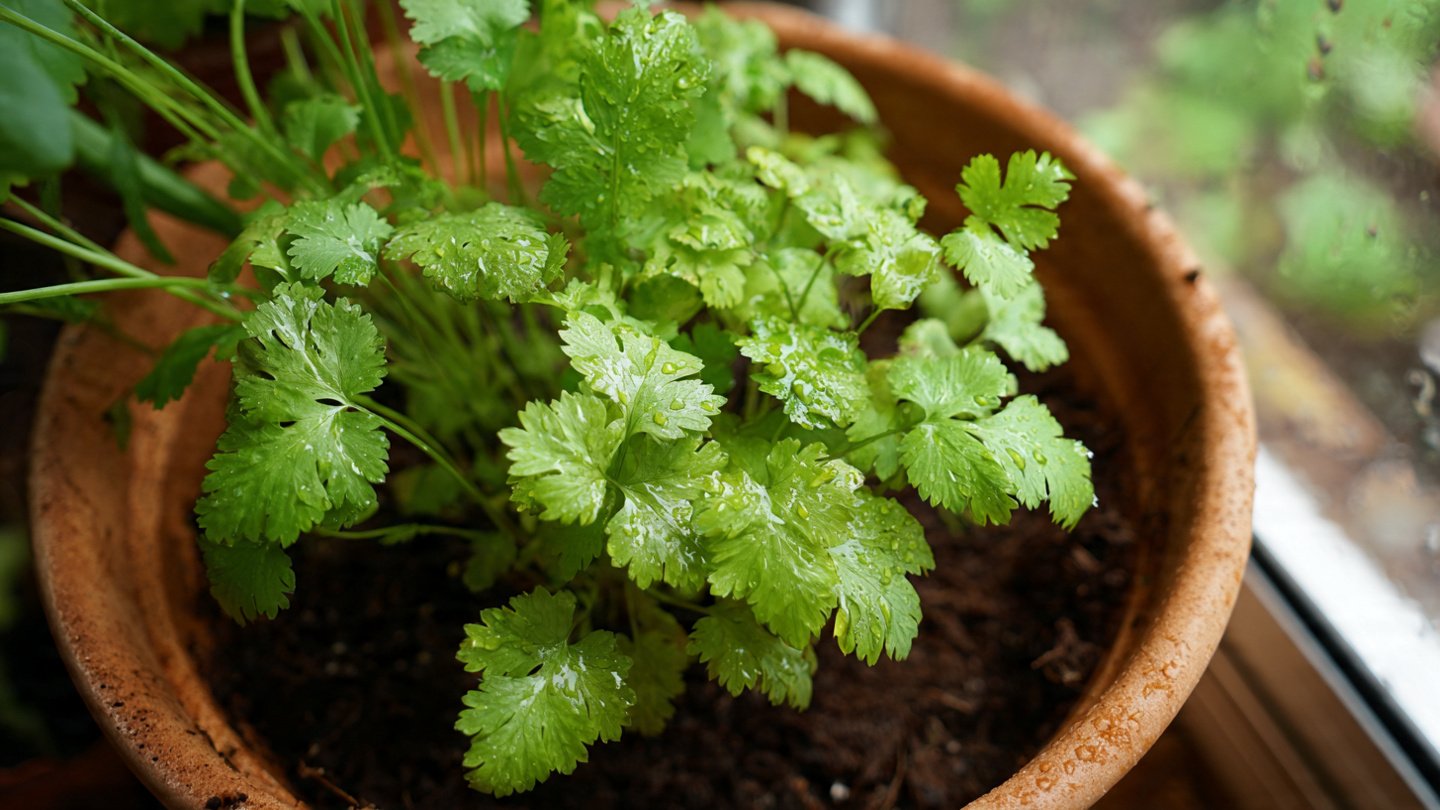
Coriander, also known as cilantro, is a versatile herb celebrated for its vibrant flavor and aroma. Among the various types of coriander, Slow Bolt Coriander stands out for its resilience and extended growing season, making it a favorite for home gardeners. Whether you’re an experienced gardener or just starting, this guide will provide you with all the information you need to cultivate Slow Bolt Coriander at home, ensuring a bountiful supply for your culinary adventures.
Table of Contents
- What is Slow Bolt Coriander?
- Benefits of Growing Slow Bolt Coriander
- Growing Conditions
- Soil Requirements
- Sunlight
- Watering
- Planting Slow Bolt Coriander
- Direct Sowing
- Transplanting Young Plants
- Care and Maintenance
- Fertilization
- Pest and Disease Management
- Harvesting Slow Bolt Coriander
- Uses in the Kitchen
- Storage Tips
- FAQs
What is Slow Bolt Coriander?
Slow Bolt Coriander is a specific variety of coriander bred for its ability to resist bolting in warm temperatures. Bolting is when a plant flowers and produces seeds prematurely, which can happen with standard coriander varieties when exposed to heat. Slow Bolt Coriander produces lush leaves for an extended period, making it perfect for consecutive harvests throughout the growing season.
Benefits of Growing Slow Bolt Coriander
- Extended Harvest: This variety allows for continued leaf production, which means more cilantro for your dishes over a more extended period.
- Flavorful Leaves: Slow Bolt Coriander tends to have a stronger and more defined flavor than its faster-bolting counterparts.
- Ease of Growth: It is relatively easy to grow, making it suitable for both novice and experienced gardeners alike.
- Versatile Use: Coriander can be used in salads, soups, stews, and an array of cuisines, adding freshness and zest.
Growing Conditions
Soil Requirements
Coriander prefers well-draining soil rich in organic matter. A pH level between 6.0 and 7.0 is ideal. You can improve soil quality by adding compost or well-rotted manure before planting.
Sunlight
Slow Bolt Coriander thrives in full sun but can tolerate partial shade, especially in hotter climates. Aim for at least 6 hours of sunlight daily to ensure optimal growth.
Watering
Keep the soil consistently moist, but not waterlogged. Watering deeply once a week is preferable. In hotter weather, monitor your plants daily; they may need additional water.
Latest Posts
- Easy Steps to Successfully Grow Bhindi in Grow Bags at Home
- Easy Steps to Grow a Healthy Guava Bonsai at Home for Beginners
- How to Successfully Grow and Cultivate White Strawberry Plants at Home for Delicious and Unique Fruits
- Ultimate Guide to Successfully Growing Weeping Fig Outdoors with Proven Techniques and Expert Tips
- How to Successfully Grow Flemish Beauty Pear Trees in Canada for Optimal Harvest
- Easy Hack to Grow Strawberries Year Round in Your Home Garden for Delicious Harvests
- Growing Flemish Beauty Pears in Canada A Complete Guide for Local Gardens
- The Ultimate Guide to Growing Hibiscus Plants Year Round for Vibrant Blooms and Healthy Foliage
- Easy Ways to Boost the Growth Rate of Your Indoor Peace Lily for Lush Green Foliage
- How to Successfully Grow Oak Leaf Lettuce in Your Home Garden for Fresh and Flavorful Salads
Planting Slow Bolt Coriander
Direct Sowing
- Timing: Plant seeds in late spring when the risk of frost has passed. In warmer climates, you can sow seeds in fall.
- Depth: Sow seeds at a depth of 1/4 inch.
- Spacing: Space the seeds about 1 inch apart in rows that are 12-18 inches apart.
Transplanting Young Plants
If starting seeds indoors, follow these steps:

- Start Seeds: Sow seeds in seed trays or pots, about 6-8 weeks before the last frost date.
- Thin Out: Once seedlings have a few true leaves, thin them out to about 2-3 inches apart.
- Transplant: Harden off the seedlings by placing them outdoors for a few hours daily before transplanting them into the garden. Space them according to the guidelines provided above.
Care and Maintenance
Fertilization
While coriander doesn’t require much fertilization, you can enhance growth with a balanced fertilizer every 4-6 weeks. Look for fertilizers with a higher nitrogen content to promote leaf production.
Pest and Disease Management
- Common Pests: Watch for aphids and spider mites. You can manage them using insecticidal soap or neem oil.
- Diseases: Avoid fungal diseases by ensuring proper air circulation and not overwatering. If disease occurs, remove affected leaves promptly.
Harvesting Slow Bolt Coriander
Timing
You can begin harvesting leaves when the plant reaches 6 inches in height, typically around 3-4 weeks after sowing.
Method
- Cutting: Use sharp scissors or shears to cut the leaves, leaving at least one-third of the plant intact to encourage regrowth.
- Frequency: Harvest leaves regularly to promote new growth. The more you harvest, the bushier the plant will become.
Uses in the Kitchen
Slow Bolt Coriander is a staple in various cuisines. Here are some popular uses:

- Salads: Add fresh leaves to salads for a burst of flavor.
- Salsas: Incorporate chopped coriander into fresh salsa for a zesty kick.
- Soups and Stews: Use it to garnish soups and stews for added freshness.
- Garnish: Sprinkle on dishes like tacos or curries for a beautiful finish.
- Pestos and Dressings: Blend with nuts and olive oil for unique sauces.
Storage Tips
To ensure you enjoy your Slow Bolt Coriander for as long as possible:
- Refrigeration: Place freshly harvested leaves in a damp paper towel, then store them in a plastic bag in the fridge. They can last for a week this way.
- Freezing: For long-term storage, wash and chop the leaves, then freeze them in ice cube trays with water or olive oil. Transfer frozen cubes to zip-lock bags for easy use.
- Drying: You can also dry coriander leaves and store them in airtight jars, though this will alter their flavor.
FAQs
1. How long does it take for Slow Bolt Coriander to grow?
Typically, Slow Bolt Coriander takes about 3-4 weeks to reach a height suitable for harvesting.
2. Can I grow Slow Bolt Coriander indoors?
Yes, you can grow it indoors if you provide sufficient sunlight (at least 6 hours a day) or use grow lights.

3. Why does my coriander keep bolting?
Coriander may bolt in response to temperature changes. Make sure you plant in the appropriate season and provide partial shade during extreme heat.
4. Can I save seeds from my Slow Bolt Coriander?
Yes, you can save seeds from your plants. Allow the flowers to mature and dry on the plant before harvesting the seeds.
5. Is Slow Bolt Coriander the same as cilantro?
Yes, in many regions, coriander refers to the whole plant, while cilantro typically refers to the leaves.

6. What are the best companions for Slow Bolt Coriander?
Coriander pairs well with other herbs such as parsley and dill, as well as plants like tomatoes and peppers.
Conclusion
Growing Slow Bolt Coriander at home is a rewarding endeavor that not only enhances your culinary creations but also adds beauty to your garden. With careful attention to its growing conditions and proper maintenance, you can enjoy fresh coriander leaves throughout the growing season. Whether you’re using it in a spicy salsa or a fragrant curry, this herb is sure to elevate your dishes. Happy gardening!