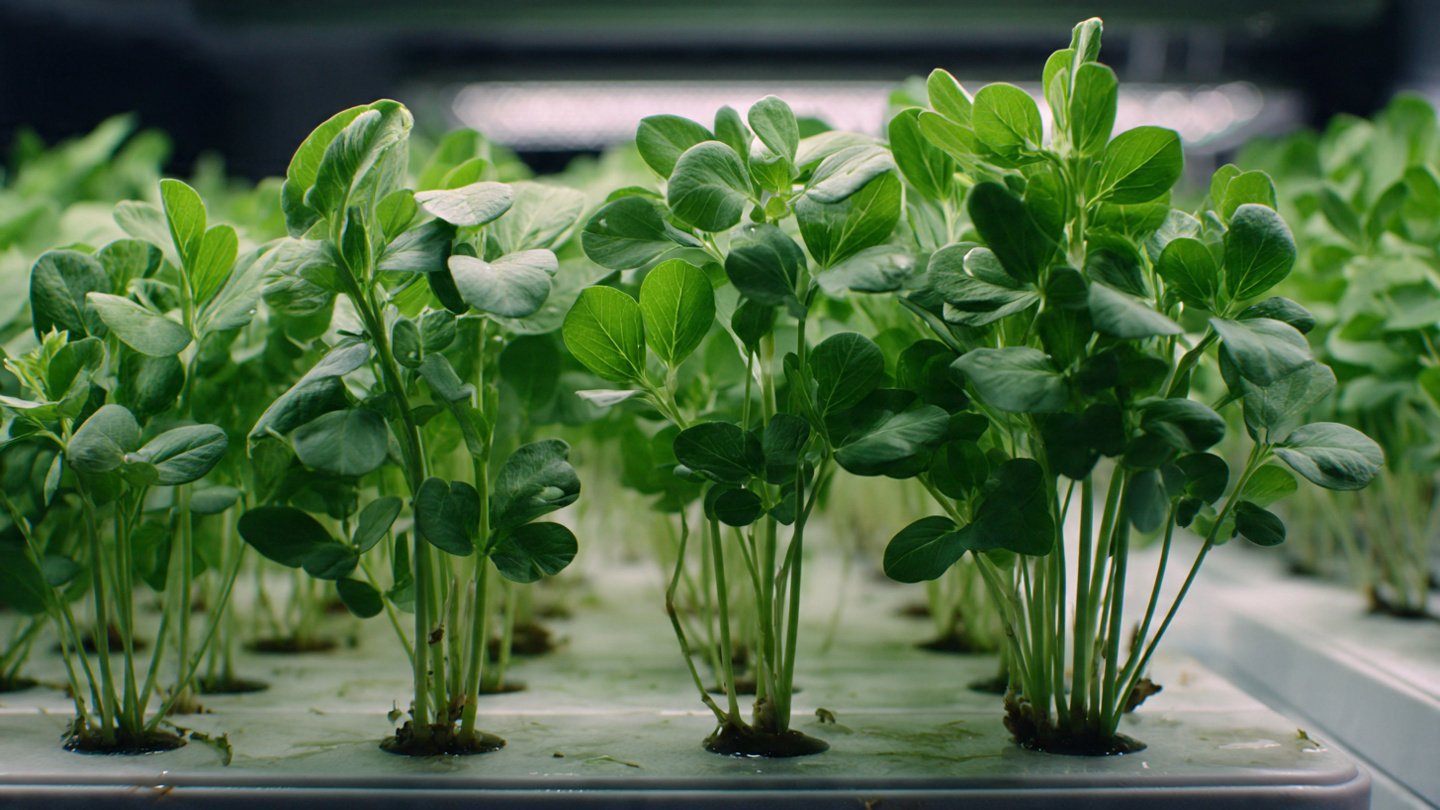
Fenugreek, known scientifically as Trigonella foenum-graecum, is a popular herb lauded for its numerous health benefits and culinary uses. Whether used as a spice, herbal remedy, or in cooking, fenugreek has earned its place in kitchens and medicine cabinets worldwide. Traditionally grown in soil, fenugreek can also thrive in hydroponic systems, allowing gardeners in urban settings or those with limited space to cultivate this aromatic herb. This article will delve into the simple yet effective methods of growing fenugreek hydroponically, including techniques and practical tips to ensure a successful harvest.
What is Hydroponics?
Before we dive into the specifics of growing fenugreek hydroponically, let’s understand what hydroponics entails. Hydroponics is a method of growing plants in a nutrient-rich water solution rather than in soil. This method allows for better control over nutrient intake, reduces the risk of soil-borne diseases, and often results in faster growth rates.
Latest Posts
- Easy Steps to Successfully Grow Bhindi in Grow Bags at Home
- Easy Steps to Grow a Healthy Guava Bonsai at Home for Beginners
- How to Successfully Grow and Cultivate White Strawberry Plants at Home for Delicious and Unique Fruits
- Ultimate Guide to Successfully Growing Weeping Fig Outdoors with Proven Techniques and Expert Tips
- How to Successfully Grow Flemish Beauty Pear Trees in Canada for Optimal Harvest
- Easy Hack to Grow Strawberries Year Round in Your Home Garden for Delicious Harvests
- Growing Flemish Beauty Pears in Canada A Complete Guide for Local Gardens
- The Ultimate Guide to Growing Hibiscus Plants Year Round for Vibrant Blooms and Healthy Foliage
- Easy Ways to Boost the Growth Rate of Your Indoor Peace Lily for Lush Green Foliage
- How to Successfully Grow Oak Leaf Lettuce in Your Home Garden for Fresh and Flavorful Salads
Benefits of Growing Fenugreek Hydroponically
- Space Efficiency: Hydroponic systems can be set up in small spaces, making them ideal for urban gardeners.
- Resource Conservation: This method uses significantly less water than traditional gardening and doesn’t require herbicides or pesticides.
- Higher Yield: With optimal nutrient delivery, plants often grow faster and produce higher yields.
- Year-Round Growth: Hydroponics allows you to grow fenugreek throughout the year, irrespective of external weather conditions.
Choosing Your Hydroponic System
Several hydroponic systems are suitable for growing herbs like fenugreek. Here are three options to consider:
1. Nutrient Film Technique (NFT)
In this system, a thin film of nutrient solution continuously flows over the roots of the plants. This method is efficient and allows for excellent oxygenation of the roots.

2. Deep Water Culture (DWC)
In DWC systems, plants are suspended in a nutrient solution, with their roots submerged. Air stones are used to provide oxygen, promoting healthy root development.
3. Wick System
The wick system is the simplest of all hydroponic methods. A wick draws nutrient solution from a reservoir to the growing medium, which can work well with fenugreek’s low moisture requirement.
Step-by-Step Guide to Growing Fenugreek Hydroponically
Step 1: Gather Your Supplies
To get started, you’ll need:
- Hydroponic system (NFT, DWC, or wick)
- Fenugreek seeds
- Hydroponic nutrient solution
- Growing medium (if applicable)
- pH meter
- Water reservoir
- Light source (if growing indoors)

Step 2: Prepare Your Seeds
Soak fenugreek seeds in water for 24 hours before planting. This process can enhance germination rates. After soaking, drain the seeds and keep them in a dark, moist environment for another 24 hours to encourage sprouting.
Step 3: Set Up Your Hydroponic System
- Install your hydroponic system according to the manufacturer’s instructions.
- Fill the reservoir with clean, filtered water.
- Add hydroponic nutrients to the water, following label instructions for dilution.
- Check the pH level of your nutrient solution. Fenugreek prefers a pH of around 6.0-6.5.
Step 4: Plant Your Seeds
- Depending on your hydroponic system, you may use a growing medium like rock wool, clay pellets, or coconut coir.
- Place the soaked seeds in the growing medium, ensuring they have good contact with it.
- If you are using NFT or DWC systems, make sure the roots of the seedlings are submerged in the nutrient solution.
Step 5: Provide Adequate Lighting
Fenugreek requires at least 12-14 hours of light per day for optimal growth. If growing indoors, use grow lights to provide sufficient illumination. Position the lights about 12-18 inches above the plants and adjust as they grow.
Step 6: Monitor and Maintain

- Nutrient Solution: Check the nutrient solution regularly in the reservoir and top it up as needed. Change the entire solution every 2-3 weeks.
- pH Levels: Continuously monitor pH levels, adjusting them if necessary.
- Temperature and Humidity: Keep the temperature between 70-75°F (21-24°C) and humidity levels around 50-70%.
Step 7: Harvesting Fenugreek
Fenugreek can be harvested in 3-4 weeks after planting when the plants are about 6 inches tall. Cut the stalks just above the grow medium to encourage further growth. The leaves can be used fresh or dried for later use.
Common Pests and Diseases
While hydroponics minimizes many pests associated with soil gardening, issues may still arise. Here are some common pests:
- Aphids: These small insects can damage your plants. Use insecticidal soap or neem oil for treatment.
- Fungus Gnats: These can be a nuisance. Allow the growing medium to dry out between waterings to deter them.
Tips for Successful Hydroponic Fenugreek Growth
- Start Small: If you’re new to hydroponics, start with a small setup to learn the ropes.
- Keep Records: Document growth rates, nutrient changes, and other variables to refine your future growing methods.
- Experiment: Different strains of fenugreek might yield varying results, so don’t hesitate to try different seeds.

FAQs
1. Can I grow fenugreek hydroponically indoors?
Absolutely! Hydroponics is perfect for indoor gardening, especially if you provide adequate lighting.
2. How often should I change the nutrient solution?
It’s advisable to change the nutrient solution every 2-3 weeks to ensure your plants have a fresh supply of nutrients.
3. What are the signs of overwatering in hydroponic fenugreek?
Yellowing leaves and wilting can indicate overwatering. Make sure to check the nutrient solution levels and adjust as necessary.
4. Do I need to worry about pests in hydroponics?
While the risk is reduced, you may still encounter pests like aphids or fungus gnats. Regular monitoring helps catch issues early.
5. How long does it take for fenugreek seeds to germinate?

Fenugreek seeds typically germinate in 5-7 days under optimal conditions.
6. What nutrients are essential for hydroponic fenugreek?
Key nutrients include nitrogen, phosphorus, potassium, calcium, magnesium, and trace minerals like iron and zinc.
7. Can I use regular garden seeds for hydroponics?
Yes, but make sure they are untreated and free of pesticides.
8. What’s the best way to store harvested fenugreek?
Fresh fenugreek can be kept in the refrigerator in a plastic bag for a week. Dried fenugreek should be stored in an airtight container in a cool, dark place.
Conclusion
Growing fenugreek hydroponically is a rewarding endeavor that not only provides fresh herbs year-round but also introduces gardeners to innovative techniques. With the right setup, careful monitoring, and a bit of patience, you can enjoy abundant harvests of this healthy herb. Whether you are a gardening novice or a seasoned expert, hydroponics can simplify the experience and yield delicious results. Happy gardening!