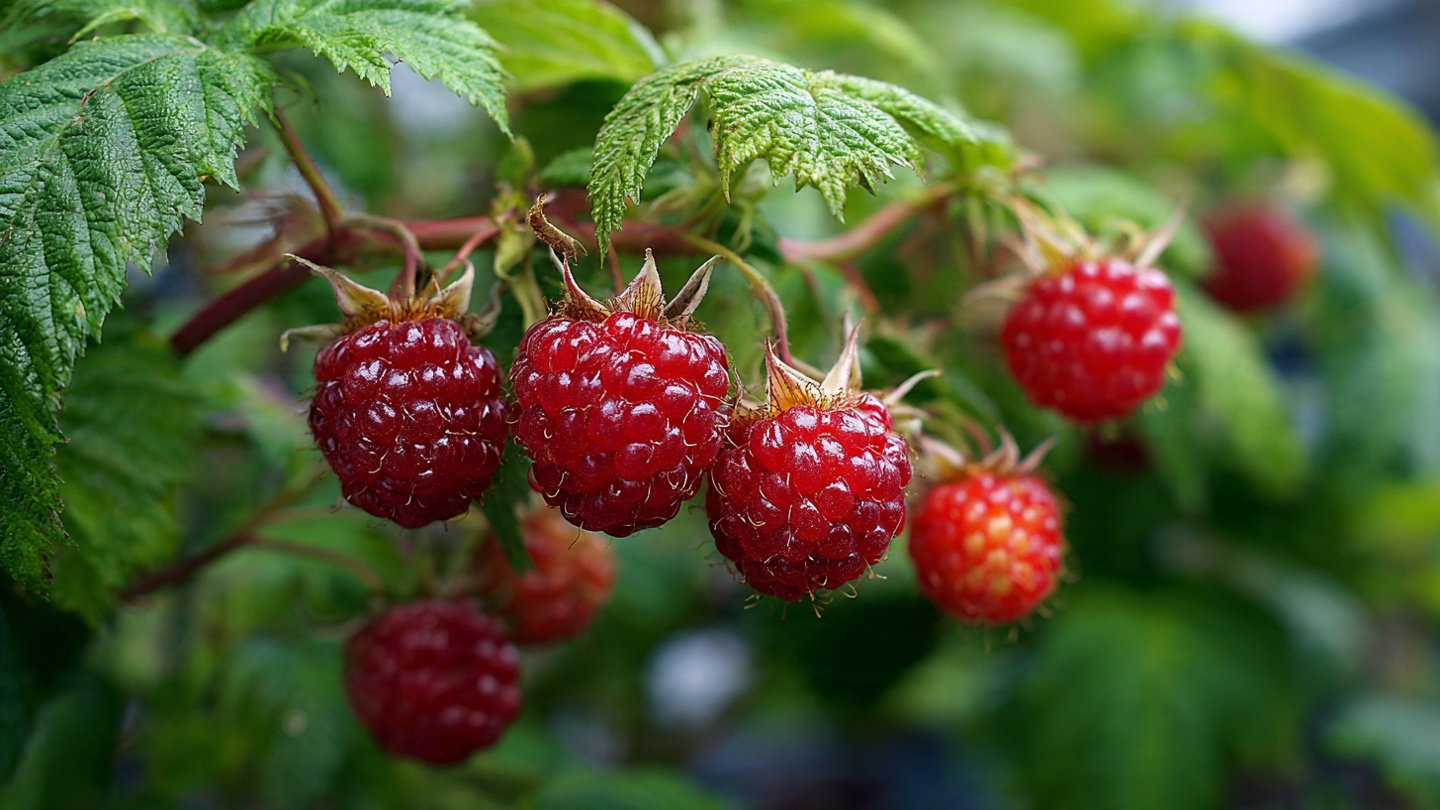
Raspberries are a luscious fruit enjoyed for their sweet-tart flavor and versatility in culinary applications. Among various types of raspberries, thornless varieties have gained popularity due to their ease of maintenance, making them perfect for home gardening. In this article, we’ll explore how to grow thornless raspberries at home, covering everything from selecting the right variety to caring for your plants, and answering some frequently asked questions.
Understanding Thornless Raspberries
Thornless raspberries, as the name suggests, are varieties that lack the spiky thorns found on traditional raspberry plants. These cultivars offer benefits such as:
Latest Posts
- Easy Steps to Successfully Grow Bhindi in Grow Bags at Home
- Easy Steps to Grow a Healthy Guava Bonsai at Home for Beginners
- How to Successfully Grow and Cultivate White Strawberry Plants at Home for Delicious and Unique Fruits
- Ultimate Guide to Successfully Growing Weeping Fig Outdoors with Proven Techniques and Expert Tips
- How to Successfully Grow Flemish Beauty Pear Trees in Canada for Optimal Harvest
- Easy Hack to Grow Strawberries Year Round in Your Home Garden for Delicious Harvests
- Growing Flemish Beauty Pears in Canada A Complete Guide for Local Gardens
- The Ultimate Guide to Growing Hibiscus Plants Year Round for Vibrant Blooms and Healthy Foliage
- Easy Ways to Boost the Growth Rate of Your Indoor Peace Lily for Lush Green Foliage
- How to Successfully Grow Oak Leaf Lettuce in Your Home Garden for Fresh and Flavorful Salads
- Ease of Harvesting: Without thorns, picking the fruits becomes much easier and less painful.
- Child-Friendly: Thornless varieties are great for families with children who want to enjoy the fun of picking fruit without the risk of injury.
- Space Efficiency: Thornless raspberries can be planted closer together, maximizing yields in limited spaces.
Choosing the Right Variety
When selecting thornless raspberries, consider the following popular varieties:
-
Raspberry ‘Triple Crown’: This is an ever-bearing thornless variety known for its large, sweet berries. They are robust and produce fruit two times a year, allowing for a continuous harvest.
-
Raspberry ‘Caroline’: Another ever-bearing variety, ‘Caroline’ produces medium to large berries that are exceptionally sweet. They thrive in various conditions.
-
Raspberry ‘Dorman Red’: A hardy variety that produces large yields and is well-suited for colder climates.
When seeking a thornless raspberry plant, it’s advisable to purchase healthy young plants from a reputable nursery or garden center.
Site Selection
Sunlight
Raspberries thrive in full sun, which means they need at least six to eight hours of direct sunlight daily for optimal growth. Consider planting near a south-facing wall or fence to maximize sun exposure.
Soil Conditions
Raspberries prefer well-drained soil rich in organic matter. Here are some key soil considerations:
-
pH Level: Aim for a soil pH of 5.8 to 6.5, which is slightly acidic. Conduct a soil test to assess pH and nutrient levels.
-
Drainage: Ensure the site has good drainage to prevent root rot. If your soil tends to hold water, consider planting in raised beds.
-
Organic Matter: Incorporate compost or well-rotted manure to enhance soil fertility and structure.
Space Requirements
Raspberry plants can spread and require ample space for air circulation. Depending on the variety, you should plant thornless raspberries about 2-3 feet apart in rows that are 6-8 feet apart. This spacing allows adequate airflow and reduces the likelihood of disease.
Planting Thornless Raspberries
Timing
The best time to plant thornless raspberries is in early spring after the danger of frost has passed. In warmer climates, planting in the fall can also be successful.
Planting Process
-
Prepare the Soil: Remove weeds and debris from the planting area. Till the soil to a depth of at least 12 inches and mix in compost or organic fertilizer.
-
Dig Holes: Create holes that are about 18-24 inches apart. Each hole should be deep enough to accommodate the root system of the young plant.
-
Planting: Place the raspberry plant in the hole, ensuring that the crown of the plant is level with the soil surface. Cover the roots with soil and gently firm it down. Water thoroughly to eliminate air pockets.
-
Mulching: Apply a layer of mulch around the plants to retain moisture, suppress weeds, and regulate soil temperature.
Caring for Your Thornless Raspberries
Watering
Raspberries require consistent moisture, especially during the fruiting stage. Aim for about an inch of water per week, adjusting based on rainfall. Drip irrigation is an effective way to maintain consistent moisture levels.

Fertilization
Fertilizing is crucial for healthy growth. Use a balanced fertilizer (10-10-10) at planting time and again in early spring. Follow the package instructions for application rates. Avoid excessive nitrogen, as it may lead to lush foliage at the expense of fruit production.
Pruning
Pruning is essential for maintaining healthy plants and maximizing fruit production. Here’s how to do it:
-
Year 1: Remove any dead or weak canes after planting. Allow the strongest canes to grow for fruit production in the following years.
-
Year 2 and Beyond: For ever-bearing varieties, prune back the canes producing fruit in the summer after harvest. Leave the canes that will bear fruit in the fall.
-
Dormant Season: In late winter or early spring, prune any dead, weak, or overcrowded canes to encourage healthy growth.
Pest and Disease Management
Raspberries can be susceptible to various pests and diseases, such as aphids, spider mites, and fungal infections. Employ integrated pest management techniques, including:
-
Monitoring: Regularly check plants for signs of pests or disease.
-
Cultural Practices: Maintain good air circulation by proper spacing and pruning. Water at the base of the plant to avoid wetting the foliage.
-
Organic Treatments: If issues arise, consider using organic insecticidal soaps or neem oil as preventive measures.

Harvesting Thornless Raspberries
Raspberries typically bear fruit from mid-summer to early fall, depending on the variety. Here’s how to know when to pick:
-
Color and Firmness: Ripe raspberries are deep red (or black, depending on the variety) and should easily detach from the stem with a gentle tug.
-
Timing: Harvest berries in the morning when it’s cool to maintain freshness.
-
Storage: Handle the fruit gently; store it in a breathable container in the refrigerator for up to a week. For longer storage, consider freezing the berries.
FAQs
1. How long does it take for thornless raspberries to produce fruit?
Most thornless raspberry plants will start producing fruit within 1-2 years after planting, with higher yields in subsequent years.
2. Can thornless raspberries be grown in containers?

Yes, thornless raspberries can thrive in containers. Choose a large pot (at least 5 gallons) with good drainage and ensure consistent watering and fertilization.
3. What is the best way to protect thornless raspberries from birds?
Consider using bird netting or reflective tape around your raspberry patch to deter birds from feeding on the fruits.
4. How do I winterize my thornless raspberry plants?
In colder climates, apply a thick layer of mulch around the base of the plants to insulate the roots. In extreme cases, you may need to cover them with burlap or frost cloths during particularly harsh winters.
5. Do I need to fertilize my thornless raspberries every year?
Fertilization in early spring is generally recommended for optimal growth, but it depends on your soil quality. Conduct soil tests every few years to determine nutrient needs.
6. Can I grow thornless raspberries with other plants?
Yes, thornless raspberries can coexist with various garden plants. However, avoid planting them near tomatoes or potatoes to prevent disease issues.
Conclusion
Growing thornless raspberries at home can be a rewarding experience, offering delicious fruits right from your garden. With careful planning, proper care, and attention to detail, you can enjoy a bountiful harvest of sweet, juicy raspberries without the pain of thorns. Whether you enjoy them fresh, in desserts, or preserved, cultivating these delectable fruits is a worthwhile endeavor for any garden enthusiast. Happy gardening!