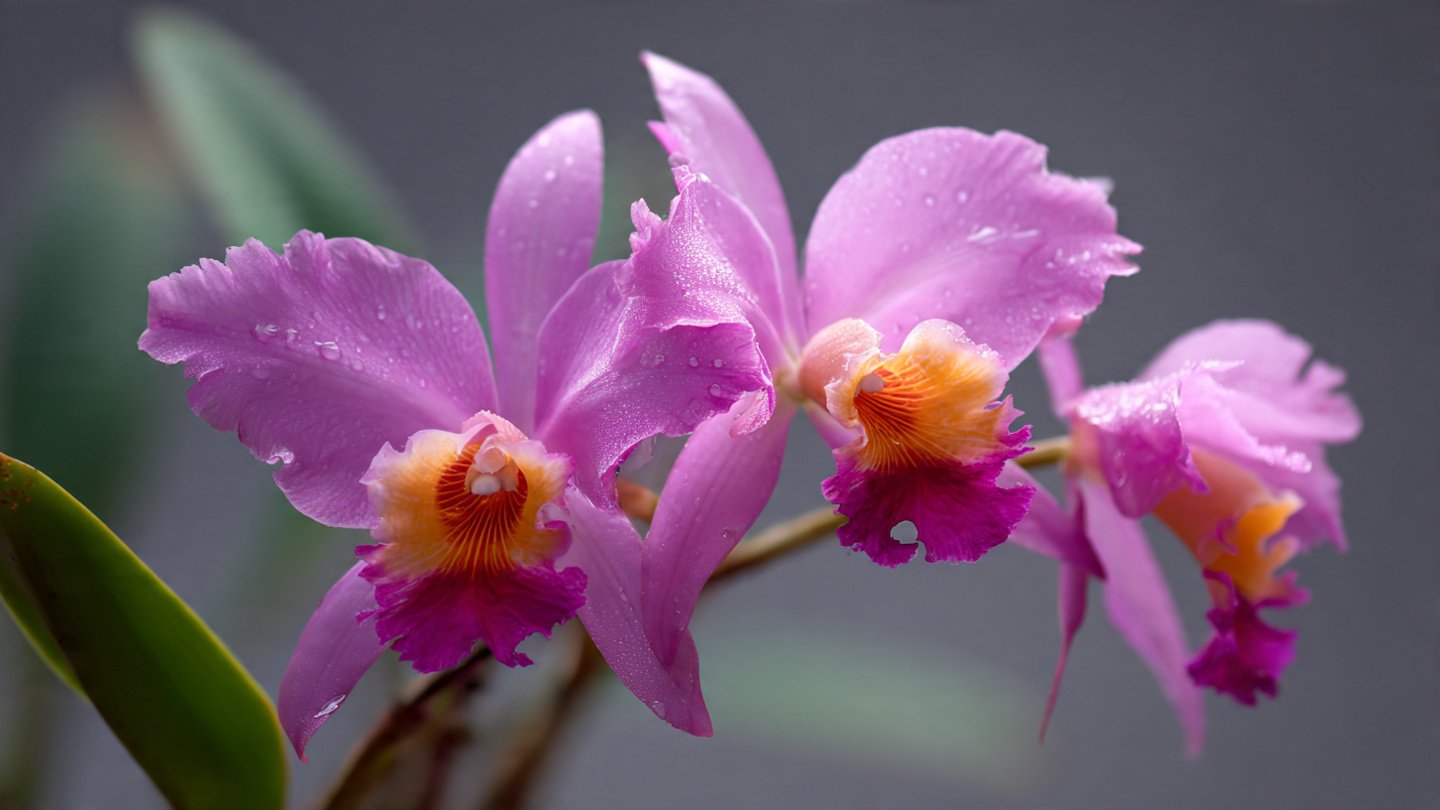
Orchids, known for their unique and stunning flowers, are among the most popular houseplants worldwide. While traditional methods of growing orchids involve various potting media, growing orchids in water only, or hydroponically, is gaining traction among gardeners. This method allows for a more straightforward approach while still supporting the delicate nature of orchids. In this article, we’ll explore the techniques for growing orchids in water, the benefits of this method, and how to care for your plants effectively.
Understanding Orchids: A Brief Overview
Before diving into the water-only method of growing orchids, it’s important to understand the nature of these plants. Orchids are epiphytes, which means, in the wild, they typically grow on trees or rocks rather than in soil. This adaptation offers them better access to light and air circulation, crucial for their survival.
Latest Posts
- Easy Steps to Successfully Grow Bhindi in Grow Bags at Home
- Easy Steps to Grow a Healthy Guava Bonsai at Home for Beginners
- How to Successfully Grow and Cultivate White Strawberry Plants at Home for Delicious and Unique Fruits
- Ultimate Guide to Successfully Growing Weeping Fig Outdoors with Proven Techniques and Expert Tips
- How to Successfully Grow Flemish Beauty Pear Trees in Canada for Optimal Harvest
- Easy Hack to Grow Strawberries Year Round in Your Home Garden for Delicious Harvests
- Growing Flemish Beauty Pears in Canada A Complete Guide for Local Gardens
- The Ultimate Guide to Growing Hibiscus Plants Year Round for Vibrant Blooms and Healthy Foliage
- Easy Ways to Boost the Growth Rate of Your Indoor Peace Lily for Lush Green Foliage
- How to Successfully Grow Oak Leaf Lettuce in Your Home Garden for Fresh and Flavorful Salads
Orchids thrive in humid environments and require specific care to flourish. By modifying their natural habitat slightly with a water-only method, you can provide a suitable environment for them at home.
The Benefits of Growing Orchids in Water
-
Simplicity: Growing orchids in water eliminates the need for complex potting mixes, making it easier for beginners to care for these exquisite plants.
-
Visibility: When grown in transparent containers, you can observe the root system, enabling you to monitor the health of your orchids more effectively.
-
Reduced Risk of Pests: Soil can harbor pests and diseases. Water systems are less prone to these issues, reducing the risk of root rot and related ailments.
-
Consistent Moisture Levels: Water-only growing methods allow you to maintain a consistent moisture level, which is key for orchids that can be finicky about their hydration.

Choosing the Right Container
For growing orchids in water, selecting the right container is the first step. Here’s what to consider:
-
Material: Choose a clear glass or plastic container. The transparency allows sunlight to penetrate, aiding photosynthesis.
-
Size: Ensure the container is large enough for the plant’s roots but not so large that water remains stagnant.
-
Drainage: While you won’t need drainage holes in traditional sense (as you would in soil), ensure the container allows for airflow around the roots.
Selecting the Right Orchid
Not all orchids are suited for water-only growing. Some popular types that adapt well to this method include:
-
Phalaenopsis: Commonly referred to as “moth orchids,” they are well-known for their long-lasting flowers and are among the easiest orchids to grow in water.
-
Dendrobium: These are versatile, with various flower forms and colors. Many Dendrobium species thrive when grown in water.
-
Oncidium: Loved for their vibrant blooms, Oncidium orchids can also be adapted to a hydroponic environment.

When selecting your orchid, ensure it is healthy, with no signs of rot or disease.
Initial Setup for Water Growing
-
Rinse the Roots: After acquiring your orchid, remove it from any potting medium gently. Rinse the roots thoroughly to eliminate any old potting material.
-
Inspect the Roots: Look for any dead or rotting roots and trim them away with sterilized scissors. Healthy roots should be green and firm.
-
Prepare the Container: Fill your chosen container with water. Use room-temperature distilled or rainwater to prevent mineral buildup, which can harm the plant.
-
Position the Orchid: Place the orchid in the container, ensuring that the roots are submerged while keeping the base of the plant above water to prevent stem rot.
-
Light and Location: Find a location with bright, indirect sunlight. Avoid direct sunlight, which can overheat the water and damage the roots.
Maintaining Your Water-Grown Orchid
-
Change the Water Regularly: It’s essential to change the water every week or two to ensure that it remains clean and free from algae.
-
Monitor Water Levels: As water evaporates, be vigilant about maintaining appropriate levels. The roots should be submerged at all times but avoid soaking the base of the plant.
-
Add Nutrients: Since orchids in water lack access to traditional nutrients found in soil, it’s crucial to use a diluted orchid fertilizer every few weeks. This addition supports healthy growth and flowering.
-
Humidity: Orchids thrive in humid conditions. If your indoor environment is dry, you might consider placing a humidity tray near the plant or using a misting system to increase moisture levels.
-
Temperature Control: Most orchids do well in temperatures between 60°F and 80°F (15°C to 27°C). Keeping the temperature stable will promote healthy growth.

Troubleshooting Common Issues
-
Yellowing Leaves: This may indicate overwatering or insufficient light. Check the water levels and light conditions and adjust as needed.
-
Dropping Flowers: If flowers fall prematurely, it may be due to stress from sudden temperature changes, under-watering, or nutrient imbalances.
-
Root Rot: If you observe mushy, brown roots, you might need to reduce the water level. Ensure the base of the plant stays dry.

Frequently Asked Questions (FAQs)
1. Can all orchids be grown in water?
Not all orchids thrive in water-only conditions. Phalaenopsis, Dendrobium, and Oncidium are generally the best candidates for this method.
2. How often should I change the water for my orchid?
Typically, you should change the water every 1-2 weeks to prevent algae growth and ensure the roots receive clean water.
3. Do I need to fertilize my orchids when growing in water?
Yes, orchids grown in water need additional nutrients. Use a diluted orchid fertilizer every few weeks to keep your plants healthy.
4. How can I tell if my orchid is healthy?
Healthy orchids usually have firm, green roots and vibrant leaves. Avoid those with mushy or brown roots, as they may indicate stress or disease.
5. How much sunlight do water-grown orchids need?
They prefer bright, indirect sunlight. Avoid direct sunlight as it can overheat the water and harm the roots.
6. What should I do if I see algae in the water?
If you notice algae, change the water immediately and clean the container. Ensure the location where the orchid is placed does not receive too much direct sunlight.

7. Can I grow multiple orchid plants in one container?
While possible, it’s generally recommended to grow one orchid per container to ensure that each plant receives adequate water and nutrients.
8. What is the ideal water temperature for growing orchids?
Use room-temperature distilled or rainwater, as extreme temperatures can shock the plant.
9. How do I prune my orchids when they have finished blooming?
After flowers wilt and drop, trim the flower spike back to just above a node (small bump) on the stem to encourage future blooms.
10. Can orchids survive in water without any potting media?
Yes, orchids can thrive in water alone, provided you take care of their specific needs, such as light, humidity, and nutrients.
In summary, growing orchids in water only can be a rewarding and stress-free way to enjoy the beauty of these unique plants. With the right techniques and care, anyone can cultivate orchids successfully without the troubles of traditional soil-based methods. Take the plunge and transform your living space into a vibrant orchid paradise!