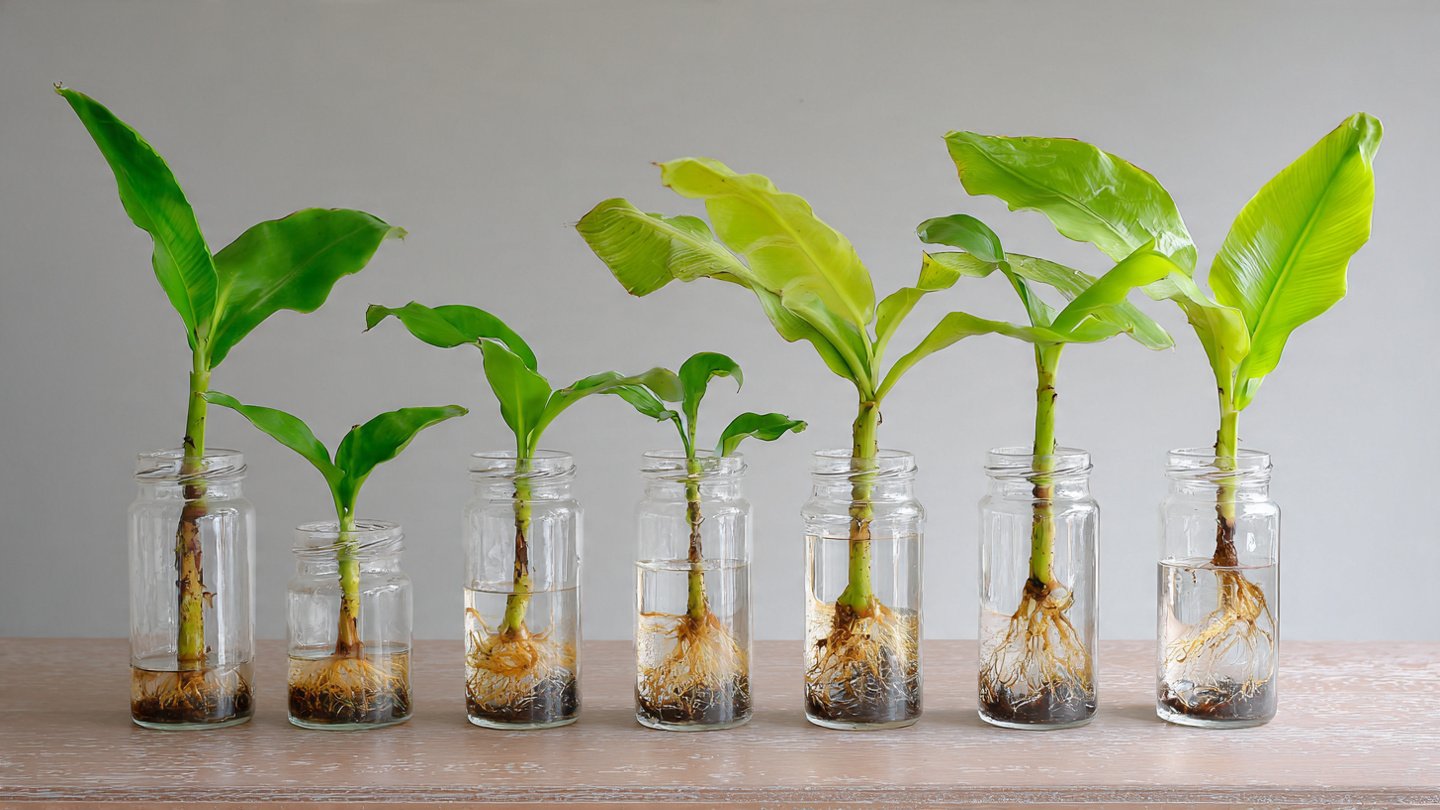
Growing bananas from tissue culture can be an exciting and rewarding endeavor for both novice and experienced gardeners. This technique allows you to cultivate plants that are genetically identical to the parent plant, ensuring consistent quality and disease resistance. In this article, we will explore the process of tissue culture, its advantages, and provide a step-by-step guide specifically tailored for beginners looking to grow bananas at home.
Understanding Tissue Culture
What is Tissue Culture?
Tissue culture, also known as micro-propagation, is a method of plant propagation that involves growing new plants from small pieces of plant tissue. This technique allows growers to produce large numbers of plants in a relatively short period and with minimal space.
Benefits of Growing Bananas via Tissue Culture
- Disease Resistance: Tissue culture helps in eliminating pests and diseases, ensuring a healthier plant.
- Faster Growth: Plants grown from tissue culture can reach maturity more quickly than those grown from seeds or traditional methods.
- Space Efficiency: The process requires less space, making it ideal for home gardening.
- Uniformity: All plants grown from tissue culture are genetically identical, providing uniformity in fruit production.
Preparing to Grow Bananas from Tissue Culture
Materials Required
- Tissue Culture Kit: You can purchase a comprehensive kit that includes all necessary materials like culture jars, growth medium, and sterility supplies.
- Banana Plant Tissue: Obtain healthy banana plant tissue from a reliable source or nursery.
- Sterile Tools: Scalpels, forceps, and Petri dishes.
- Growth Medium: Typically contains nutrients, hormones, and agar for consistency.
- Incubator: To maintain optimal growth conditions (temperature and light).
Choosing the Right Banana Variety
Select a banana variety that suits your climate and space. Common varieties include:
- Cavendish: Sweet and widely cultivated.
- Red Dacca: Known for its robust flavor.
- Plantain: Starchier and often used for cooking.
Step-by-Step Guide to Growing Bananas from Tissue Culture
Step 1: Sterilization
Before beginning any culture work, it’s essential to ensure all tools and materials are sterile to prevent contamination.
- Clean All Equipment: Use isopropyl alcohol to wipe down cutting tools and work surfaces.
- Sterilize Growth Medium: Autoclave or boil the growth medium for 20 minutes if not purchasing pre-sterilized media.
Step 2: Preparing the Tissue Samples
- Obtain Plant Tissue: Choose a healthy, disease-free section from a mature banana plant. Ideally, this should come from the growing tip or meristem tissue.
- Cut the Tissue: Using a sterile scalpel, cut a small piece about 1-2 cm long.
- Prepare for Inoculation: Place the cut tissue in a sterile Petri dish containing distilled water for cleaning.
Step 3: Inoculating the Culture
- Transfer to Growth Medium: Using sterile forceps, transfer the cleaned tissue into a culture jar containing the prepared growth medium.
- Seal the Jar: Ensure that the jar is airtight to maintain humidity.
- Label the Jar: Include details such as the date, variety name, and any other relevant information.
Step 4: Incubation
- Optimal Conditions: Place the culture jars in a controlled environment (ideally 25-28°C) with indirect light.
- Monitor Regularly: Check for signs of contamination or growth. The tissue should start to divide and form shoots within a few weeks.
Step 5: Subculturing
Once shoots are visible (after about 4-6 weeks):
Latest Posts
- Easy Steps to Successfully Grow Bhindi in Grow Bags at Home
- Easy Steps to Grow a Healthy Guava Bonsai at Home for Beginners
- How to Successfully Grow and Cultivate White Strawberry Plants at Home for Delicious and Unique Fruits
- Ultimate Guide to Successfully Growing Weeping Fig Outdoors with Proven Techniques and Expert Tips
- How to Successfully Grow Flemish Beauty Pear Trees in Canada for Optimal Harvest
- Easy Hack to Grow Strawberries Year Round in Your Home Garden for Delicious Harvests
- Growing Flemish Beauty Pears in Canada A Complete Guide for Local Gardens
- The Ultimate Guide to Growing Hibiscus Plants Year Round for Vibrant Blooms and Healthy Foliage
- Easy Ways to Boost the Growth Rate of Your Indoor Peace Lily for Lush Green Foliage
- How to Successfully Grow Oak Leaf Lettuce in Your Home Garden for Fresh and Flavorful Salads
- Cut Shoots: Using sterile tools, cut the new shoots from the parent tissue.
- Transfer to New Medium: Place the shoots into new jars with fresh growth medium to promote root development.
- Continue Monitoring: Ensure the new cultures are kept in optimal growing conditions.
Step 6: Hardening Off
As the plants develop roots, a process called “hardening off” is crucial:
- Gradual Transition: Place the plants in a shaded area outside for a few hours a day, gradually increasing exposure to sunlight over a week.
- Transplantation: Once acclimatized, transplant the young banana plants into larger pots or open ground, ensuring they have adequate spacing and nutrient-rich soil.
Step 7: Ongoing Care
- Watering: Keep the soil consistently moist but not waterlogged.
- Fertilization: Use a balanced fertilizer rich in potassium to promote fruiting as the plants mature.
- Pest Control: Regularly check for pests like aphids and spider mites, and use organic methods for management when necessary.
Common Challenges
- Contamination: One of the most common issues in tissue culture is contamination. Always work in a sterile environment and handle plant materials with care.
- Slow Growth: If growth appears stunted, recalibrate your environmental conditions (light, moisture, temperature).
- Poor Root Development: Ensure the growth medium has adequate nutrients and that the plants are not overcrowded.
Frequently Asked Questions (FAQs)
1. How long does it take to grow bananas from tissue culture?
It typically takes about 9-12 months for banana plants grown from tissue culture to produce fruit, depending on the variety and growth conditions.
2. Can I use any banana tissue for tissue culture?
It’s best to use tissue from disease-free mature plants. The growing tips or meristematic tissues are ideal for high-quality cultures.
3. Do I need special lighting for tissue culture?
While direct sunlight should be avoided initially, bright indirect light is beneficial. If growing indoors, fluorescent lights can be used to provide sufficient light.

4. Is it possible to propagate bananas from seeds?
Bananas typically do not grow true from seed, as most cultivated bananas are parthenocarpic. Therefore, tissue culture is a more effective method for propagation.
5. What should I do if my plants show signs of disease?
If you notice any diseases or pests, isolate the affected plants immediately. In some cases, you may need to discard contaminated tissues to prevent further spread.
6. How often should I check on my cultures?
Monitor your cultures at least once a week for growth and contamination. Regular checks will help you catch any issues early on.

7. Can I grow bananas in pots?
Yes, bananas can thrive in pots. Choose a large container with good drainage and ensure that the plants receive adequate light and nutrients.
Conclusion
Growing bananas from tissue culture at home can be an incredible way to engage with nature and produce delicious fruits. By following the steps outlined in this guide and being mindful of the common challenges, you can successfully cultivate banana plants that will flourish in your garden. Whether you’re looking to enhance your gardening skills or enjoy fresh bananas at home, tissue culture opens up a world of possibilities for home growers. Happy planting!