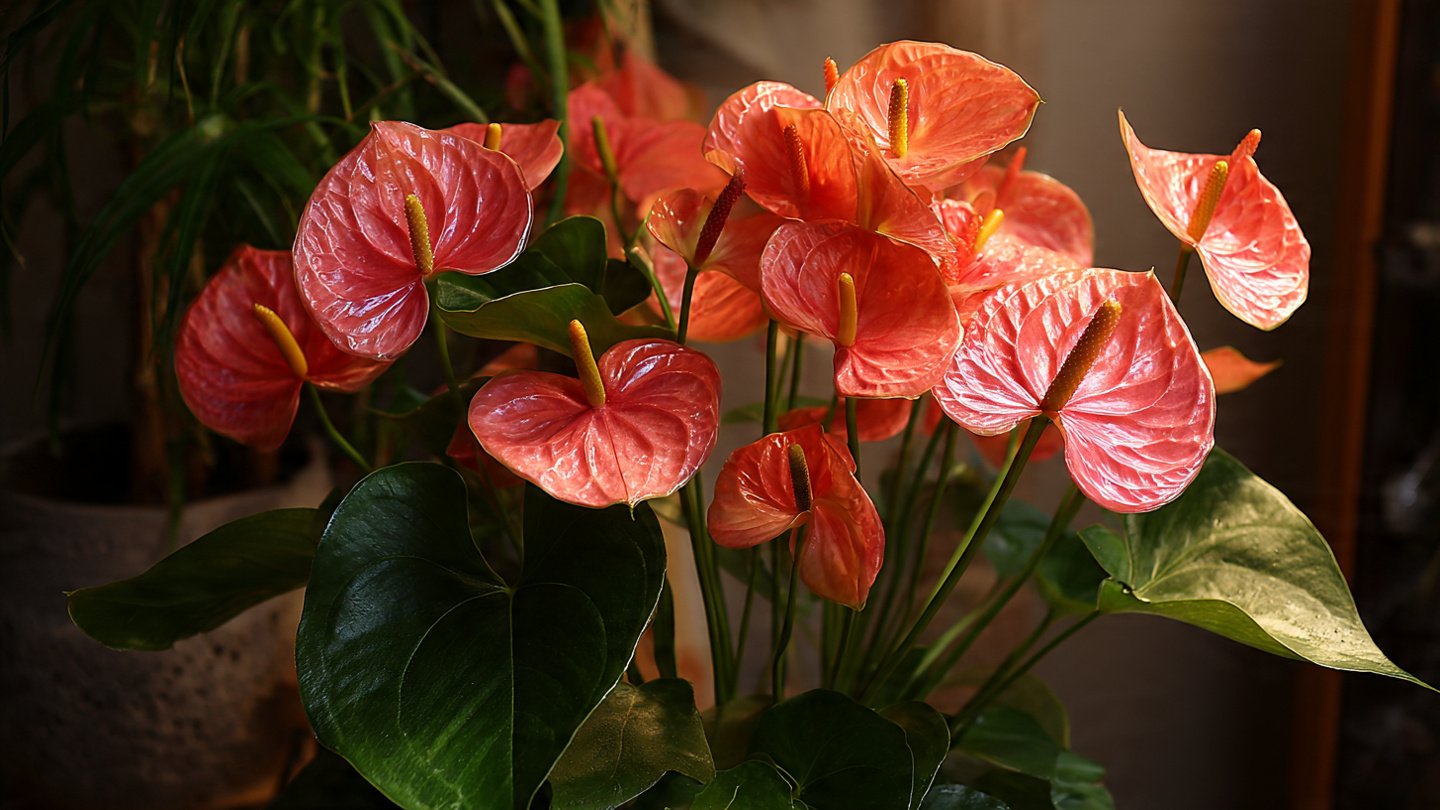
The Flamingo Lily, scientifically known as Anthurium andraeanum, is an impressive houseplant admired for its vibrant, waxy flowers and glossy leaves. With its exotic appearance and easy care requirements, it has become a favorite among home decor enthusiasts. This guide provides an in-depth look at growing Flamingo Lily indoors, covering everything you need to know from choosing the right pot to common care tips and troubleshooting.
Table of Contents
- Easy Steps to Successfully Grow Bhindi in Grow Bags at Home
- Easy Steps to Grow a Healthy Guava Bonsai at Home for Beginners
- How to Successfully Grow and Cultivate White Strawberry Plants at Home for Delicious and Unique Fruits
- Ultimate Guide to Successfully Growing Weeping Fig Outdoors with Proven Techniques and Expert Tips
- How to Successfully Grow Flemish Beauty Pear Trees in Canada for Optimal Harvest
- Easy Hack to Grow Strawberries Year Round in Your Home Garden for Delicious Harvests
- Growing Flemish Beauty Pears in Canada A Complete Guide for Local Gardens
- The Ultimate Guide to Growing Hibiscus Plants Year Round for Vibrant Blooms and Healthy Foliage
- Easy Ways to Boost the Growth Rate of Your Indoor Peace Lily for Lush Green Foliage
- How to Successfully Grow Oak Leaf Lettuce in Your Home Garden for Fresh and Flavorful Salads
- Introduction to Flamingo Lily
- Choosing the Right Pot
- Optimal Soil Mix
- Lighting Conditions
- Watering Needs
- Humidity and Temperature
- Fertilizing Your Plant
- Pruning and Maintenance
- Pest Control
- Repotting Your Flamingo Lily
- Common Issues and Solutions
- Frequently Asked Questions (FAQs)
Latest Posts
1. Introduction to Flamingo Lily
Flamingo Lily features heart-shaped leaves and stunning flower spathes that can come in various colors, including red, pink, and white. Native to the rainforests of Central and South America, this tropical plant is known for its resilience and long-lasting blooms. Not only does it enhance indoor spaces, but it also purifies the air, making it a perfect companion for any home.

2. Choosing the Right Pot
When growing a Flamingo Lily, selecting the appropriate pot is crucial. A pot that is too large can retain excess moisture, leading to root rot, while a pot that is too small can restrict growth. Here are some tips for choosing the ideal pot:
- Size: Aim for a pot that is about 1-2 inches larger in diameter than the previous pot.
- Material: Terracotta pots are good for breathability, while plastic pots retain moisture.
- Drainage: Ensure the pot has drainage holes to prevent water accumulation.
3. Optimal Soil Mix
Flamingo Lily thrives in well-draining soil. You can create the ideal mix by combining the following components:
- Peat Moss: Provides moisture retention without becoming soggy.
- Perlite or Pumice: Enhances drainage and aeration in the soil.
- Orchid Bark: Offers structure and keeps the soil loose.
A suitable soil mix would consist of 50% peat, 30% perlite, and 20% orchid bark.
4. Lighting Conditions
Lighting is one of the most vital factors in successfully growing Flamingo Lily. Here’s what you should keep in mind:

- Indirect Sunlight: These plants prefer bright, indirect light but can tolerate low-light conditions. Direct sunlight can scorch their leaves.
- Window Placement: Place your Flamingo Lily near east or north-facing windows to provide gentle morning light.
5. Watering Needs
Flamingo Lily requires a careful watering regimen. The key is to keep the soil consistently moist but not soggy. Here are important watering tips:
- Frequency: Water when the top inch of soil feels dry. Typically, this will be every 1-2 weeks, depending on environmental conditions.
- Method: Water thoroughly until water seeps out of the drainage holes, and avoid letting the plant sit in standing water.
- Seasonal Changes: Reduce watering during winter months when growth slows.
6. Humidity and Temperature
As a tropical plant, Flamingo Lily thrives in warm and humid conditions.
- Humidity Levels: Aim for humidity levels of 60% or higher. You can increase humidity by placing a humidifier nearby or using a pebble tray filled with water.
- Temperature: Ideal temperature range is between 65°F to 80°F (18°C to 27°C). Avoid sudden temperature drops or placing your plant near heating vents or drafty windows.
7. Fertilizing Your Plant
Regular fertilization can promote healthy growth and vibrant blooms. Here’s how to fertilize your Flamingo Lily:
- Type of Fertilizer: Use a balanced liquid fertilizer diluted to half strength. Look for a fertilizer with a formula like 20-20-20.
- Frequency: Fertilize every 4-6 weeks during the growing season (spring and summer). In fall and winter, reduce the frequency or skip fertilizing completely.

8. Pruning and Maintenance
Pruning is essential for maintaining the health and appearance of your Flamingo Lily.
- Dead Leaves: Regularly remove any yellowing or dead leaves to redirect energy towards healthy growth.
- Spent Blooms: Cut off spent flowers at the base to encourage new blooms.
- Dusting Leaves: Wipe leaves with a damp cloth to keep them dust-free and enhance their glossy appearance.
9. Pest Control
While Flamingo Lily is relatively pest-resistant, it can sometimes attract common houseplant pests:
- Spider Mites: Look for webbing on the undersides of leaves. Increase humidity and use insecticidal soap if needed.
- Mealybugs: These pests appear as white, cotton-like clusters. Remove them manually or treat with alcohol-soaked cotton swabs.
- Aphids: These small insects can distort new growth. Remove them with a strong stream of water or use neem oil.
10. Repotting Your Flamingo Lily
Repotting helps refresh the soil and allows your plant to grow properly. Here’s how to do it:
- Timing: Plan to repot every 1-2 years during spring as new growth begins.
- Process: Carefully remove the plant from its pot and gently loosen the roots. Place it in a slightly larger pot with fresh potting mix.
- Watering: After repotting, water the plant thoroughly, but avoid fertilizing for a few weeks to allow it to settle.

11. Common Issues and Solutions
Growing Flamingo Lily can present challenges. Here are some common issues and their solutions:
- Yellow Leaves: This can indicate overwatering or inadequate light. Check soil moisture and reposition the plant if necessary.
- Drooping Leaves: A sign of underwatering. Increase watering frequency and check your humidity levels.
- No Flowers: If your plant isn’t blooming, it may need more light or a boost in nutrients. Adjust watering and fertilization as needed.
12. Frequently Asked Questions (FAQs)
Q1: How often should I water my Flamingo Lily?
A1: Water when the top inch of soil feels dry, typically every 1-2 weeks.
Q2: Can Flamingo Lily tolerate low light?
A2: Yes, while it prefers bright, indirect light, it can survive in low-light conditions but may not bloom as frequently.
Q3: Is Flamingo Lily toxic to pets?
A3: Yes, Flamingo Lily is mildly toxic to pets if ingested. Keep it out of reach of curious animals.

Q4: What can I do if my Flamingo Lily is not flowering?
A4: Ensure it receives adequate light and nutrients. Consider repositioning it or adjusting your fertilizing schedule.
Q5: How long do Flamingo Lily flowers last?
A5: The flowers can last for several weeks but will eventually need to be pruned once they begin to fade.
Q6: Can I propagate my Flamingo Lily?
A6: Yes, you can propagate by division during repotting. Ensure each division has a healthy root system.
Q7: What should I do if I see pests?
A7: Inspect your plant regularly and treat any infestations with insecticidal soap or neem oil.
Q8: Are there specific companions for Flamingo Lily in indoor arrangements?
A8: Yes! Pairing with humidity-loving plants like ferns or prayer plants can enhance the aesthetic and create a beautiful indoor garden.
In conclusion, the Flamingo Lily is a fantastic addition to any indoor space, merging beauty with minimal care needs. By understanding its light, water, and soil requirements, you can ensure your plant thrives and contributes vibrantly to your home decor. Happy planting!