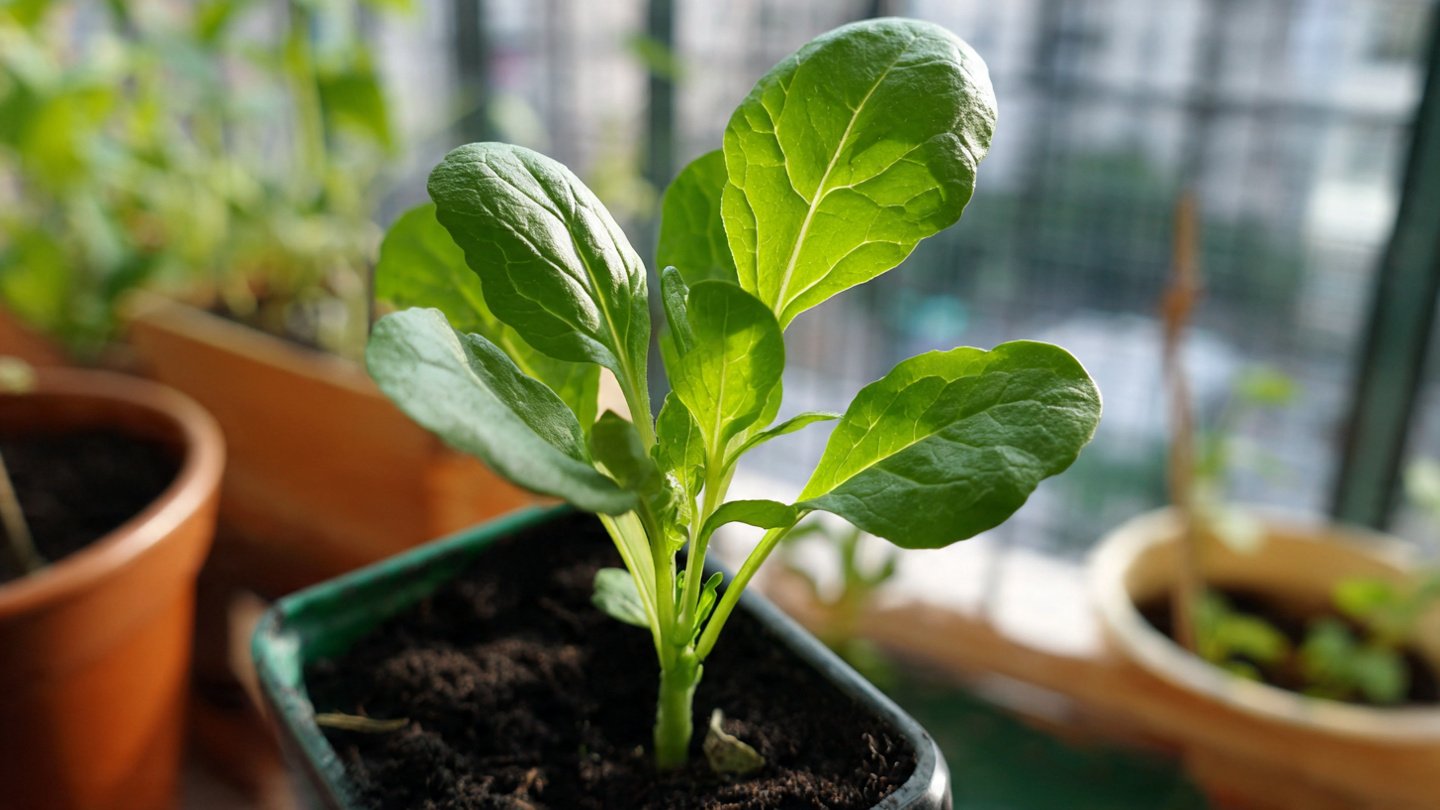
Spinach is one of the most popular leafy greens, beloved for its versatility, nutritional value, and the delightful freshness it brings to salads, smoothies, and cooked dishes. Among its various varieties, baby spinach stands out for its tender leaves and milder flavor. Growing baby spinach can be a rewarding venture, whether you have a spacious garden or a small windowsill. This article will guide you through the simple steps to grow baby spinach indoors and outdoors, ensuring you have a continuous supply of this delectable green.
Understanding Baby Spinach
Baby spinach, often harvested at an early stage of growth, is prized for its soft texture and slightly sweet, mild flavor. It is packed with vitamins A, C, and K, iron, folate, and other essential nutrients. Its leaves are perfect for salads but can also be steamed or sautéed.
Latest Posts
- Easy Steps to Successfully Grow Bhindi in Grow Bags at Home
- Easy Steps to Grow a Healthy Guava Bonsai at Home for Beginners
- How to Successfully Grow and Cultivate White Strawberry Plants at Home for Delicious and Unique Fruits
- Ultimate Guide to Successfully Growing Weeping Fig Outdoors with Proven Techniques and Expert Tips
- How to Successfully Grow Flemish Beauty Pear Trees in Canada for Optimal Harvest
- Easy Hack to Grow Strawberries Year Round in Your Home Garden for Delicious Harvests
- Growing Flemish Beauty Pears in Canada A Complete Guide for Local Gardens
- The Ultimate Guide to Growing Hibiscus Plants Year Round for Vibrant Blooms and Healthy Foliage
- Easy Ways to Boost the Growth Rate of Your Indoor Peace Lily for Lush Green Foliage
- How to Successfully Grow Oak Leaf Lettuce in Your Home Garden for Fresh and Flavorful Salads
The Benefits of Growing Baby Spinach
- Nutrient-Rich: Growing your own spinach ensures you have fresh, pesticide-free produce packed with nutrients.
- Cost-Effective: Spinach can be expensive in stores. Growing it at home reduces grocery bills.
- Pest Resistance: When you grow indoors, you can minimize pests and diseases that typically affect outdoor crops.
- Easy to Grow: Spinach is relatively easy to cultivate, making it a great choice for beginners and seasoned gardeners alike.
Preparing to Grow Baby Spinach
1. Choosing the Right Location
Indoors: Look for a bright spot, like a windowsill that receives at least 4-6 hours of sunlight. If natural light is limited, consider using grow lights to ensure your plants receive the light they need.
Outdoors: Choose a location with full sun to partial shade. Spinach thrives in cooler weather, so plan your planting for early spring or fall.

2. Selecting the Right Container or Soil
-
Containers: If you’re growing indoors, ensure your pots have drainage holes. A depth of about 6-12 inches is ideal for baby spinach.
-
Soil: Use a quality potting mix rich in organic matter. A pH level between 6.0 and 7.0 is optimal for spinach growth. Amend the soil with compost to enhance nutrients.
3. Seeds and Varieties
Look for varieties suited for baby spinach, such as ‘Baby Bloomsdale,’ ‘Teton,’ or ‘Catalina.’ Purchase seeds from reputable suppliers. Consider local varieties that may perform well in your area’s climate.
Growing Baby Spinach Indoors
1. Planting Seeds
- Timing: Indoors, you can sow seeds any time of year, but aim for cooler months for the best flavor.
- Sowing: Sprinkle seeds about 1 inch apart and cover them lightly with soil. Water gently.
2. Watering and Care
- Watering: Keep the soil consistently moist but not soggy. Use a spray bottle for gentle watering.
- Light: If using grow lights, position them about 2-4 inches above the seedlings. Move them higher as the plants grow.
- Temperature: Spinach prefers cooler temperatures. Maintain indoor conditions between 50°F and 70°F (10°C and 21°C).

3. Thinning and Harvesting
As the seedlings grow, thin them to ensure adequate spacing (about 3-4 inches apart). This allows for healthy growth and prevents overcrowding.
When the leaves are about 3-4 inches tall, begin harvesting. Use scissors to cut the outer leaves, allowing the inner ones to continue growing. Baby spinach can be harvested multiple times, ensuring a continuous supply.
Growing Baby Spinach Outdoors
1. Preparing the Outdoor Bed
- Soil Preparation: Till the soil to a depth of 12 inches, removing any rocks or debris. Mix in compost or well-rotted manure to enrich the soil.
- Spacing: Create rows spaced about 12-18 inches apart. Sow seeds about 1 inch apart in each row.
2. Planting Seeds
Sow spinach seeds in early spring or late summer/early fall, ensuring that the soil temperature is between 45°F and 75°F (7°C and 24°C). Cover seeds lightly with soil and water thoroughly.
3. Watering and Maintenance

-
Watering: Water deeply once a week, allowing the top inch of soil to dry before the next watering. Avoid splash watering to prevent fungal diseases.
-
Mulching: Apply a layer of mulch to retain moisture and suppress weeds.
4. Pest Control
Monitor for pests like aphids and slugs. Encourage beneficial insects or use organic pesticides to manage infestation.
5. Harvesting
Like indoor plants, outdoor baby spinach can be harvested when leaves are 3-4 inches tall. Cut the outer leaves to allow the center to continue producing.
Tips for Successful Baby Spinach Cultivation
- Rotate Crops: Avoid planting spinach in the same spot year after year to prevent soilborne diseases.
- Companion Planting: Pairing spinach with crops like radishes, cilantro, or onions can enhance growth and deter pests.
- Regular Monitoring: Keep an eye out for any signs of pest damage or nutrient deficiencies.
Seasonal Considerations

- Spring: This is the ideal time for planting, as the cooler temperatures promote healthy growth.
- Summer: In regions with higher temperatures, provide shade cloth or grow in pots that can be moved to cooler locations.
- Fall: You can extend your growing season by using row covers or cold frames.
Frequently Asked Questions (FAQs)
1. How long does it take for baby spinach to grow?
Typically, baby spinach is ready to harvest in about 30-45 days after planting, depending on the variety and growing conditions.
2. Can I grow spinach indoors all year?
Yes, spinach can be grown indoors year-round, especially if you provide adequate light and maintain cooler temperatures.
3. What pests should I watch out for when growing spinach?
Common pests include aphids, slugs, and spider mites. Regular monitoring and organic pest control methods can help manage them effectively.
4. How do I know when to harvest spinach?
Harvest baby spinach when the leaves are 3-4 inches tall. For optimal taste, pick in the morning when the leaves are crisp.

5. Can I replant spinach in the same spot every year?
To prevent soilborne diseases, it’s best to rotate your crops and not plant spinach in the same location consecutively.
6. What is the best soil type for growing spinach?
Spinach prefers well-draining, loamy soil rich in organic matter with a pH level between 6.0 and 7.0.
7. How much sunlight does spinach need?
Baby spinach thrives with 4-6 hours of direct sunlight daily. If growing indoors, consider using grow lights if natural light is inadequate.
8. Are there any health benefits to eating spinach?
Absolutely! Spinach is high in vitamins A, C, and K, iron, calcium, and antioxidants, making it a great addition to a healthy diet.
Conclusion
Growing baby spinach is an enjoyable and fulfilling experience that can yield fresh, flavorful greens for your salads and meals. Whether you decide to cultivate your spinach indoors or outdoors, following these simple steps will help you succeed. With a little patience, care, and attention, you can enjoy the fruits (or rather, greens) of your labor all year round. Happy gardening!