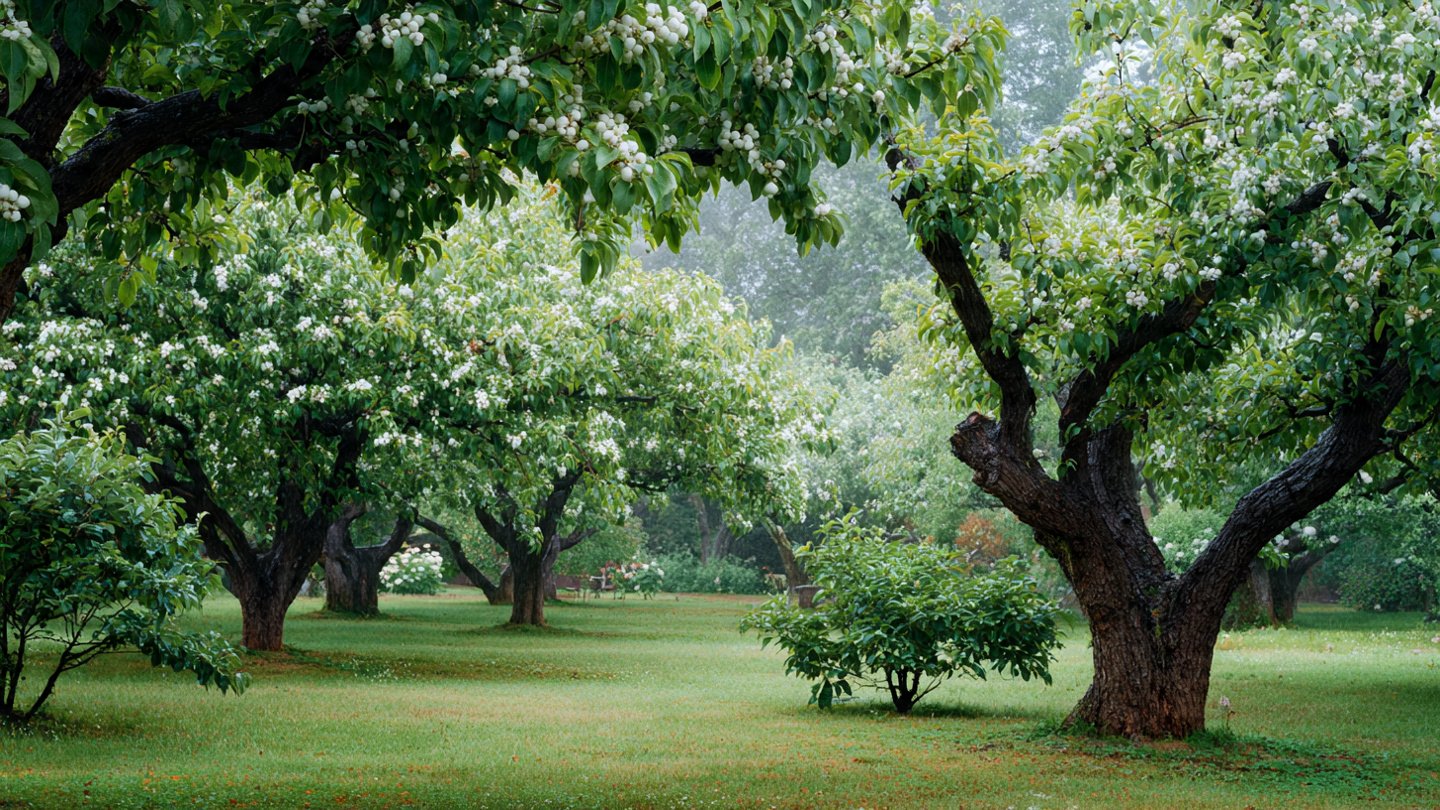
Pears are a delightful fruit that can add both aesthetic and culinary value to your garden or orchard. They are not only delicious but also provide a variety of health benefits. However, growing pear trees in areas with short summer conditions can be a challenge. This article will focus on easy methods to successfully cultivate pear trees in such climates, ensuring a healthy yield of pears.
Understanding the Pear Tree
Varieties of Pear Trees
Latest Posts
- Easy Steps to Successfully Grow Bhindi in Grow Bags at Home
- Easy Steps to Grow a Healthy Guava Bonsai at Home for Beginners
- How to Successfully Grow and Cultivate White Strawberry Plants at Home for Delicious and Unique Fruits
- Ultimate Guide to Successfully Growing Weeping Fig Outdoors with Proven Techniques and Expert Tips
- How to Successfully Grow Flemish Beauty Pear Trees in Canada for Optimal Harvest
- Easy Hack to Grow Strawberries Year Round in Your Home Garden for Delicious Harvests
- Growing Flemish Beauty Pears in Canada A Complete Guide for Local Gardens
- The Ultimate Guide to Growing Hibiscus Plants Year Round for Vibrant Blooms and Healthy Foliage
- Easy Ways to Boost the Growth Rate of Your Indoor Peace Lily for Lush Green Foliage
- How to Successfully Grow Oak Leaf Lettuce in Your Home Garden for Fresh and Flavorful Salads
Before diving into cultivation methods, it’s essential to understand that there are various types of pear trees, including:
-
European Pears (Pyrus communis): Popular for dessert varieties, these typically thrive in moderate climates.
-
Asian Pears (Pyrus pyrifolia): Known for their crisp texture, these pears do well in warmer regions but can adapt to cooler climates.
Choosing the right variety for your region is crucial, especially if summers are short. European pears generally require more chill hours, while Asian varieties are more adaptable to fluctuating conditions.
Choosing the Right Location
When planting pear trees, the choice of location can make a significant difference in their growth. Look for:
-
Sunlight: Pear trees require full sun (at least six hours daily) to thrive. Choose a location that captures maximum sunlight, especially in shorter summers.
-
Drainage: Good drainage is crucial. Avoid low-lying areas where water might collect, leading to root rot.
-
Protection from Wind: Wind can stress young trees. Plant near a windbreak or ensure that the site has natural barriers.
Planting Pear Trees
Preparing the Soil
Soil quality is fundamental to growing healthy pear trees. Here’s how to prepare:
-
Testing Soil pH: Pear trees prefer slightly acidic to neutral pH (around 6.0 to 7.0). Use a testing kit to check the soil and amend it accordingly with lime (to raise pH) or sulfur (to lower pH).
-
Amending the Soil: Incorporate organic matter like compost or well-rotted manure to improve soil fertility and structure.
Choosing the Right Time to Plant
Timing is critical, especially in regions with short summers. The best time to plant pear trees is in early spring after the last frost. This allows the trees to establish their root systems before the growing season.
Proper Planting Techniques
-
Digging the Hole: The hole should be at least twice as wide and as deep as the root ball.
-
Positioning the Tree: Place the tree in the hole so that the graft union (swelling on the trunk where the tree variety is grafted onto the rootstock) is above soil level.
-
Backfilling: Fill the hole with the original soil, mixing in organic matter. Ensure there are no air pockets by gently tamping the soil.
-
Watering: Immediately after planting, water the tree thoroughly to help settle the soil.
Caring for Your Pear Trees
Watering
Regular watering is crucial, especially during dry spells. In short summer conditions, the trees may need more frequent watering to ensure proper nutrient uptake and fruit development.
-
Frequency: Water deeply at least once a week, adjusting according to rainfall and soil moisture.
-
Mulching: Apply a layer of organic mulch around the base of the tree to retain moisture, suppress weeds, and regulate soil temperature.
Fertilization
Fertilization will help your trees thrive in less-than-ideal conditions.
-
Type of Fertilizer: Use a balanced fertilizer (like 10-10-10 NPK) during the early spring.
-
Frequency: Fertilize again in early summer when the trees are actively growing.

Pruning
Regular pruning is essential for the health and productivity of pear trees.
-
When to Prune: The best time to prune is in late winter or early spring before bud break.
-
Techniques: Remove dead or diseased wood and any crowded branches to improve air circulation and sun penetration. Aim for an open vase shape to allow light to reach all parts of the tree.
Pest and Disease Management
Pears can be susceptible to pests like the pear psylla and diseases such as fire blight. Here’s how to manage them:
-
Monitoring: Regularly check for signs of pests or diseases. Early detection is key.
-
Pesticides: Use organic pesticides if necessary, following instructions closely to avoid harming beneficial insects.
-
Cultural Practices: Maintain cleanliness around the tree, remove fallen leaves or rotting fruit, and practice crop rotation if applicable.
Harvesting Pears
Timing your harvest is crucial for quality fruit. Pears are unique in that they ripen best off the tree.
-
When to Harvest: Look for slight yellowing of the skin and a smooth texture. A gentle twist should detach the fruit from the stem.
-
Ripening: Store harvested pears in a cool, dry place. Once they begin to soften, they can be transferred to the refrigerator to prolong freshness.
FAQs
1. Can I grow pear trees in pots?
Yes, pear trees can be successfully grown in pots, especially dwarf varieties. Ensure the pot has adequate drainage and is large enough to accommodate the tree’s root system.
2. What is the best fertilizer for pear trees?
A balanced fertilizer (10-10-10 NPK) is ideal for pears. Consider using organic options for a more sustainable approach.
3. How much sun do pear trees need?
Pears require full sun, ideally at least six hours of direct sunlight daily to thrive and produce fruit.
4. How tall do pear trees grow?
Standard pear trees can reach heights of 20-30 feet, while dwarf varieties typically grow to about 6-10 feet.
5. Do pear trees need a pollinator?
Most pear trees need cross-pollination for optimal fruit set. Plant at least two compatible varieties within close proximity for better results.
6. What are common diseases affecting pear trees?
Common diseases include fire blight, powdery mildew, and pear scab. Regular inspection, proper pruning, and disease-resistant varieties can help.
7. How long does it take for a pear tree to bear fruit?
Most pear trees will begin to bear fruit approximately 4-6 years after planting, depending on the variety and care.
Conclusion
Growing pear trees in areas with short summer conditions might seem daunting, but with the right methods and care, you can successfully cultivate these delicious fruits. Select appropriate varieties, enhance soil health, and provide necessary care through proper watering, fertilization, and pruning. Adapting your techniques will help ensure a bountiful and rewarding harvest, allowing you to enjoy home-grown pears even in challenging climates. Happy gardening!