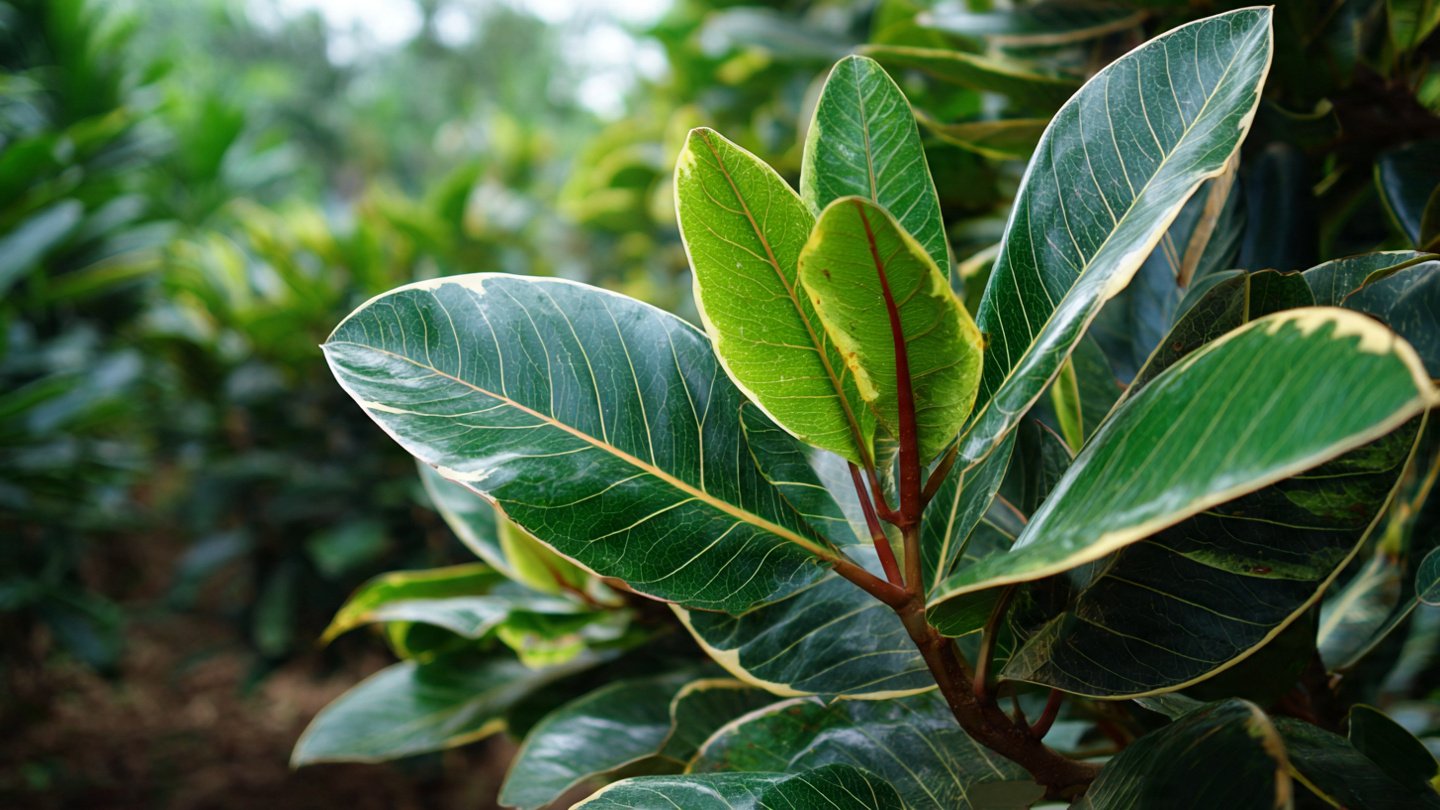
The Rubber Fig, scientifically known as Ficus elastica, is a versatile and visually appealing plant that has gained popularity in both indoor and outdoor landscapes. Native to Southeast Asia, this evergreen tree adds a touch of elegance to any garden with its glossy, dark green leaves and striking form. This article explores effective methods to grow Rubber Fig successfully, ensuring maximum aesthetic appeal in your garden design.
Understanding Rubber Fig
Characteristics
Latest Posts
- Easy Steps to Successfully Grow Bhindi in Grow Bags at Home
- Easy Steps to Grow a Healthy Guava Bonsai at Home for Beginners
- How to Successfully Grow and Cultivate White Strawberry Plants at Home for Delicious and Unique Fruits
- Ultimate Guide to Successfully Growing Weeping Fig Outdoors with Proven Techniques and Expert Tips
- How to Successfully Grow Flemish Beauty Pear Trees in Canada for Optimal Harvest
- Easy Hack to Grow Strawberries Year Round in Your Home Garden for Delicious Harvests
- Growing Flemish Beauty Pears in Canada A Complete Guide for Local Gardens
- The Ultimate Guide to Growing Hibiscus Plants Year Round for Vibrant Blooms and Healthy Foliage
- Easy Ways to Boost the Growth Rate of Your Indoor Peace Lily for Lush Green Foliage
- How to Successfully Grow Oak Leaf Lettuce in Your Home Garden for Fresh and Flavorful Salads
Rubber Figs can grow into tall trees in their natural habitat but are often cultivated as shrubs or small trees in gardens. The leaves can be anywhere from 6 to 12 inches long, with a thick, waxy texture and a beautiful rich green hue. Some varieties, like the Ficus elastica ‘Variegata,’ feature striking cream or yellow variegation, adding further depth to your garden design.
Benefits of Growing Rubber Fig
-
Aesthetic Appeal: With its striking leaves and multiple growth forms, the Rubber Fig can enhance the visual interest of any garden space.
-
Air Purification: Rubber Figs are known for their air-purifying qualities, making them a beneficial addition to your environment.
-
Low Maintenance: Once established, Rubber Figs require minimal care, making them suitable for both novice and seasoned gardeners.

Choosing the Right Location
Sunlight Requirements
Rubber Figs thrive in bright, indirect light. While they can tolerate lower light conditions, their growth may slow down, and leaf colors may fade. Placing your Rubber Fig where it can receive filtered sunlight will promote intense color and fullness.
Soil Considerations
A well-draining potting mix rich in organic matter is ideal for Rubber Figs. A blend of potting soil, perlite, and peat moss works well, allowing for adequate drainage while retaining some moisture. The pH should ideally range from 6.0 to 7.0.
Climate Factors
Rubber Figs prefer warm and humid conditions. If you live in a temperate zone, consider bringing your Rubber Fig indoors during colder months. Protection from frost is crucial, as this plant does not tolerate freezing temperatures.
Planting Rubber Fig
When to Plant
The best time to plant Rubber Fig is during the spring or early summer, when temperatures are consistently warm. This timing allows the plant to establish roots before the cooler months.
How to Plant

-
Selection of the Plant: Choose a healthy Rubber Fig from a reputable nursery. Look for vibrant, pest-free leaves and a well-established root system.
-
Prepare the Site: Dig a hole that is twice the diameter of the root ball and just as deep. This allows for ample space for root growth.
-
Placement: Place the Rubber Fig in the hole, ensuring that the top of the root ball is even with the soil surface. Backfill with soil and water thoroughly to eliminate air gaps.
-
Mulching: Apply a layer of organic mulch around the base to retain moisture and suppress weeds.
Maintenance of Rubber Fig
Watering
Water your Rubber Fig when the top 1-2 inches of soil feel dry. Overwatering can lead to root rot, so always ensure the pot has drainage holes for excess water. In hotter months, the plant may require more frequent watering.
Fertilization
Fertilize your Rubber Fig every 4-6 weeks during the growing season (spring and summer) with a balanced liquid fertilizer. A slow-release fertilizer can also be applied at the beginning of the growing season for added nutrients.

Pruning
To maintain the shape and encourage bushy growth, prune your Rubber Fig regularly. Remove any dead or yellowing leaves and trim back leggy growth to enhance its appearance. The best time to prune is in early spring before new growth begins.
Pest Management
Keep an eye out for common pests such as spider mites and scale. Regularly inspecting the leaves and using insecticidal soap can manage these infestations effectively.
Creating Aesthetic Appeal
Using Rubber Fig in Garden Design
-
Focal Point: Rubber Fig can serve as a stunning focal point in your garden. You can plant a larger specimen in a prominent position or create a cluster of smaller plants for a bushy effect.
-
Borders and Hedges: Consider using Rubber Fig as a natural privacy screen or hedge. Their lush foliage can create an inviting and serene atmosphere.
-
Complement with Other Plants: Pair Rubber Fig with contrasting plants like flowering shrubs or ornamental grasses for enhanced visual interest. Variegated varieties can add a colorful dimension to your landscape.

-
Container Gardening: Rubber Figs thrive in containers, making them perfect for patios or balcony gardens. Choose decorative pots that complement your outdoor decor.
Seasonal Care
Adjust your care routine according to the seasons. In summer, ensure the plant receives ample light and moisture. In winter, reduce watering and protect the plant from drafts when indoors.
Common Challenges
Leaf Drop
If your Rubber Fig begins to drop leaves, it could be a sign of stress. Factors such as changes in temperature, inadequate light, or overwatering can lead to this issue. Address the underlying cause promptly.
Pests
As mentioned, pests can occasionally affect Rubber Figs. Regularly inspect for signs of infestation, and use eco-friendly methods for pest control when necessary.
FAQs
1. How fast does Rubber Fig grow?
Rubber Figs can grow quite rapidly, often reaching heights of up to 6 feet in just a few years under optimal conditions.

2. Can Rubber Figs survive indoors?
Yes, Rubber Figs thrive indoors as long as they receive bright, indirect sunlight and are kept in warm, humid conditions.
3. Are Rubber Figs toxic to pets?
Yes, the sap of Rubber Figs can be toxic to pets if ingested. It’s advisable to keep them out of reach of cats and dogs.
4. What should I do if my Rubber Fig becomes leggy?
Prune the leggy growth back to promote bushier growth and ensure it receives adequate light.
5. Is it necessary to repot Rubber Figs?
Yes, repotting every 1-2 years is recommended to provide fresh soil and ample growing space. Spring is the best time for repotting.
6. Can Rubber Fig tolerate low light?
While Rubber Figs can survive in low light conditions, their growth will slow down, and leaf colors may fade. Bright, indirect sunlight is ideal.
7. How do I propagate Rubber Fig?
Rubber Figs can be propagated through stem cuttings. Take a cutting with a few leaves, dip it in rooting hormone, and plant it in a moist potting mix. Keep it humid until roots develop.
By understanding the needs and characteristics of Rubber Fig, you can effectively incorporate this stunning plant into your garden design. With proper care and attention, Rubber Fig can thrive and add lasting beauty to your outdoor spaces, making it a valuable addition to any garden enthusiast’s collection. Happy gardening!