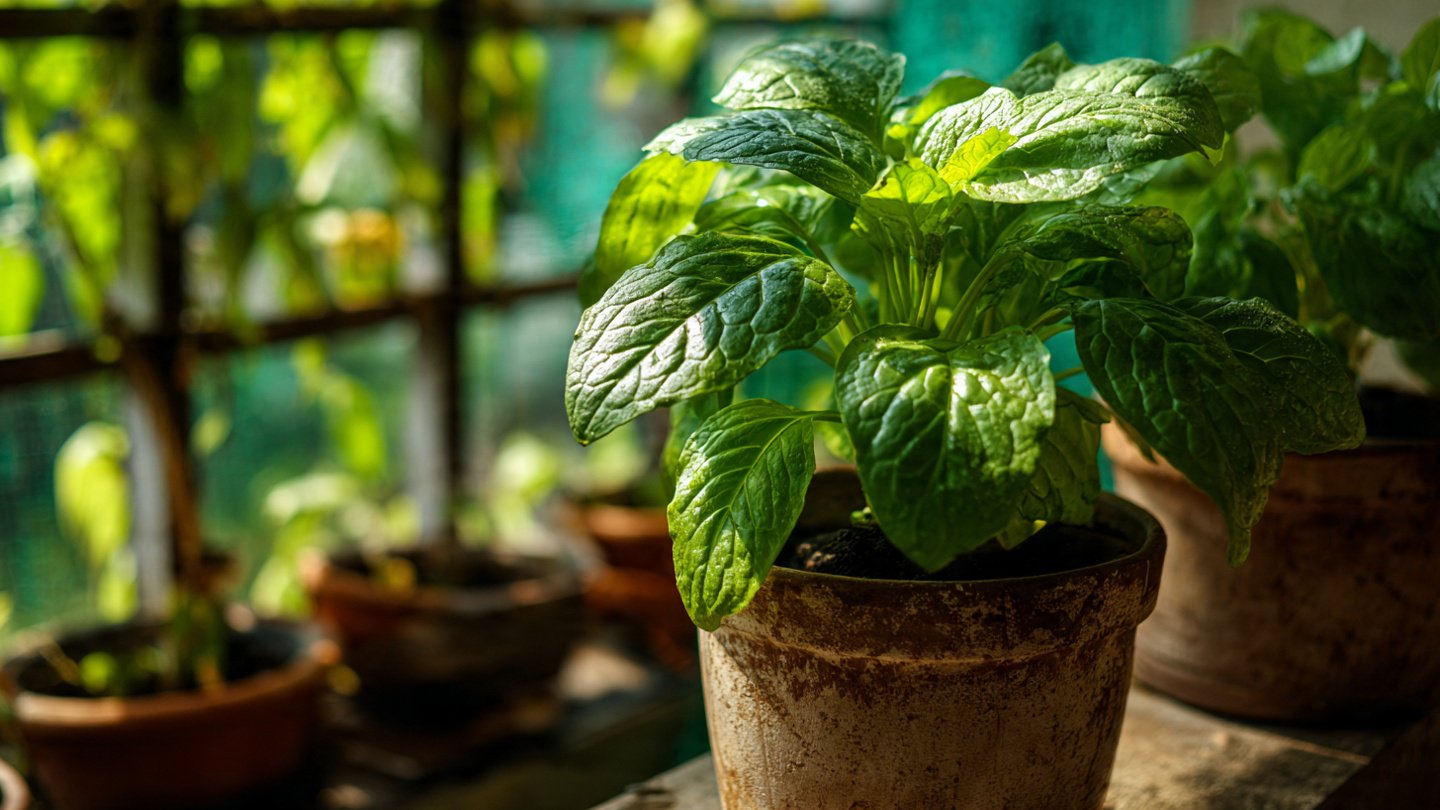
Growing your own vegetables can be a rewarding experience, especially when you can do it in the comfort of your home. One vegetable that is both nutritious and relatively easy to grow in pots is palak, or spinach. Rich in vitamins and minerals, palak offers a wealth of health benefits, making it a great choice for your balcony garden. In this article, we’ll cover everything you need to know about successfully growing palak in balcony pots, including choosing the right varieties, soil selection, planting techniques, care routines, and much more.
Understanding Palak
Palak is a leafy green vegetable that belongs to the Amaranthaceae family. Known for its tender texture and slightly earthy taste, palak can be used in a variety of dishes, from salads to soups and curries. It is rich in iron, calcium, and vitamins A, C, and K, making it an excellent addition to any diet.
Latest Posts
- Easy Steps to Successfully Grow Bhindi in Grow Bags at Home
- Easy Steps to Grow a Healthy Guava Bonsai at Home for Beginners
- How to Successfully Grow and Cultivate White Strawberry Plants at Home for Delicious and Unique Fruits
- Ultimate Guide to Successfully Growing Weeping Fig Outdoors with Proven Techniques and Expert Tips
- How to Successfully Grow Flemish Beauty Pear Trees in Canada for Optimal Harvest
- Easy Hack to Grow Strawberries Year Round in Your Home Garden for Delicious Harvests
- Growing Flemish Beauty Pears in Canada A Complete Guide for Local Gardens
- The Ultimate Guide to Growing Hibiscus Plants Year Round for Vibrant Blooms and Healthy Foliage
- Easy Ways to Boost the Growth Rate of Your Indoor Peace Lily for Lush Green Foliage
- How to Successfully Grow Oak Leaf Lettuce in Your Home Garden for Fresh and Flavorful Salads
Benefits of Growing Palak in Pots
Space-Efficient
Growing palak in pots is ideal for those with limited gardening space, such as balcony dwellers. Container gardening allows you to maximize your growing area and make the most of vertical space.
Easy Accessibility
Having pots close at hand means you can easily monitor their growth and access fresh leaves whenever needed, without the need to step into a garden.
Control Over Growing Conditions
Container gardening allows you to control soil quality, watering, and exposure to sunlight, leading to healthier plants.
Choosing the Right Container
Pot Size
For growing palak, it is essential to choose the right pot. A container that is at least 8-12 inches deep and wide will suffice. This depth provides enough room for the roots to grow and access nutrients.
Material
Consider the material of your pots. Clay pots are porous and help with drainage, while plastic pots retain moisture better. Ensure whichever material you choose has adequate drainage holes to prevent waterlogging.
Soil Selection
Type of Soil
Palak requires rich, well-draining soil for optimal growth. A good-quality potting mix enriched with compost or organic materials is ideal. You can also mix in some perlite or vermiculite to enhance drainage.
pH Level
Palak prefers slightly acidic to neutral soil with a pH level of 6.0 to 7.0. You can test the pH using a simple kit available at garden centers.
Choosing the Right Variety
When growing palak, choosing the right variety is critical. Some popular varieties suited for container gardening include:
-
Giant Noble Spinach: Grows large leaves and is easy to cultivate.
-
Bloomsdale: Known for its curly leaves, this variety is heat-tolerant and resilient.
-
Baby Leaf Spinach: Ideal for quick harvests, as it matures faster than other varieties.
Planting Your Palak
Timing
The best time to plant palak is during the cooler months, primarily in late spring or early fall. Palak prefers temperatures between 50°F to 70°F (10°C to 20°C). In warmer climates, consider planting in partial shade to avoid bolting due to excessive heat.
Seed Sowing
-
Pre-soak Seeds: Soaking palak seeds for a few hours before planting can help them germinate faster.
-
Planting Depth: Sow seeds about ½ inch deep in the soil. If you’re planting multiple seeds, maintain a spacing of 3-4 inches between them.
-
Watering: After planting, water the pot gently but thoroughly, ensuring the soil is moist but not waterlogged.

Transplanting
If starting with seedlings, ensure each seedling has at least two sets of true leaves before transplanting them into larger pots. Gently remove them from their original container without damaging the roots and plant them at the same depth in the new pot.
Caring for Your Palak
Watering
Palak loves moisture but detests waterlogged soil. Water your plants regularly, aiming for consistent moisture. During hot months, this may mean watering every day, especially in containers that dry out more quickly.
Fertilizing
Feed your palak with a balanced, water-soluble fertilizer every two weeks. An organic option like fish emulsion or seaweed extract can also benefit your plants.
Sunlight
Palak thrives in full sun, requiring about 6 hours of sunlight each day. However, in extremely hot climates, providing partial shade during the hottest parts of the day can help prevent bolting.
Pruning
Regularly harvest leaves from your plants to encourage new growth. Start picking outer leaves when they’re large enough to use, allowing the inner leaves to grow and mature.

Pest Control
Keep an eye out for common pests like aphids and snails. Organic pest control methods, such as neem oil or insecticidal soap, can be effective. You can also introduce beneficial insects like ladybugs to keep pests in check.
Harvesting
Palak grows quickly, and you can start harvesting within 4-6 weeks after planting, depending on the variety. For optimal flavor and tenderness, harvest leaves in the morning. Use clean scissors to cut the leaves, leaving a few inches of the stem intact for continued growth.
Storage Tips
Freshly harvested palak can be stored in the refrigerator for up to a week. Wrap the leaves in a damp paper towel and place them in a perforated plastic bag to maintain moisture without accumulating excess humidity.
Frequently Asked Questions (FAQs)
1. Can I grow palak in full shade?
While palak prefers full sun, it can tolerate partial shade, especially in hotter climates. However, reduced sunlight may slow growth and yield fewer leaves.
2. How often should I fertilize my palak?
A balanced, water-soluble fertilizer every two weeks is usually sufficient. If you’re using organic options, follow the recommended application rates on the package.
3. What vegetables can I plant alongside palak?
Palak grows well alongside carrots, radishes, and onions. These plants have different growth habits and nutrient needs, allowing for a diverse container garden.
4. How can I prevent my palak from bolting?
To prevent bolting (going to seed), ensure your plants are not stressed by heat or lack of water. Consider planting during cooler months or providing some afternoon shade.
5. What should I do if my palak leaves are turning yellow?
Yellowing leaves can indicate overwatering, nutrient deficiency, or pest issues. Check your watering schedule, inspect for pests, and consider fertilizing if you suspect nutrient deficiencies.
6. How do I know when to harvest palak?
Palak can be harvested when leaves are large enough to eat, typically 4-6 weeks after planting. Regular harvesting encourages new growth, so don’t be shy about picking!
Conclusion
Growing palak in balcony pots is a fulfilling endeavor that allows you to enjoy fresh, healthy greens right from your home. With the right care, attention, and techniques, you can cultivate a bountiful harvest of this nutritious leafy vegetable. Happy gardening!