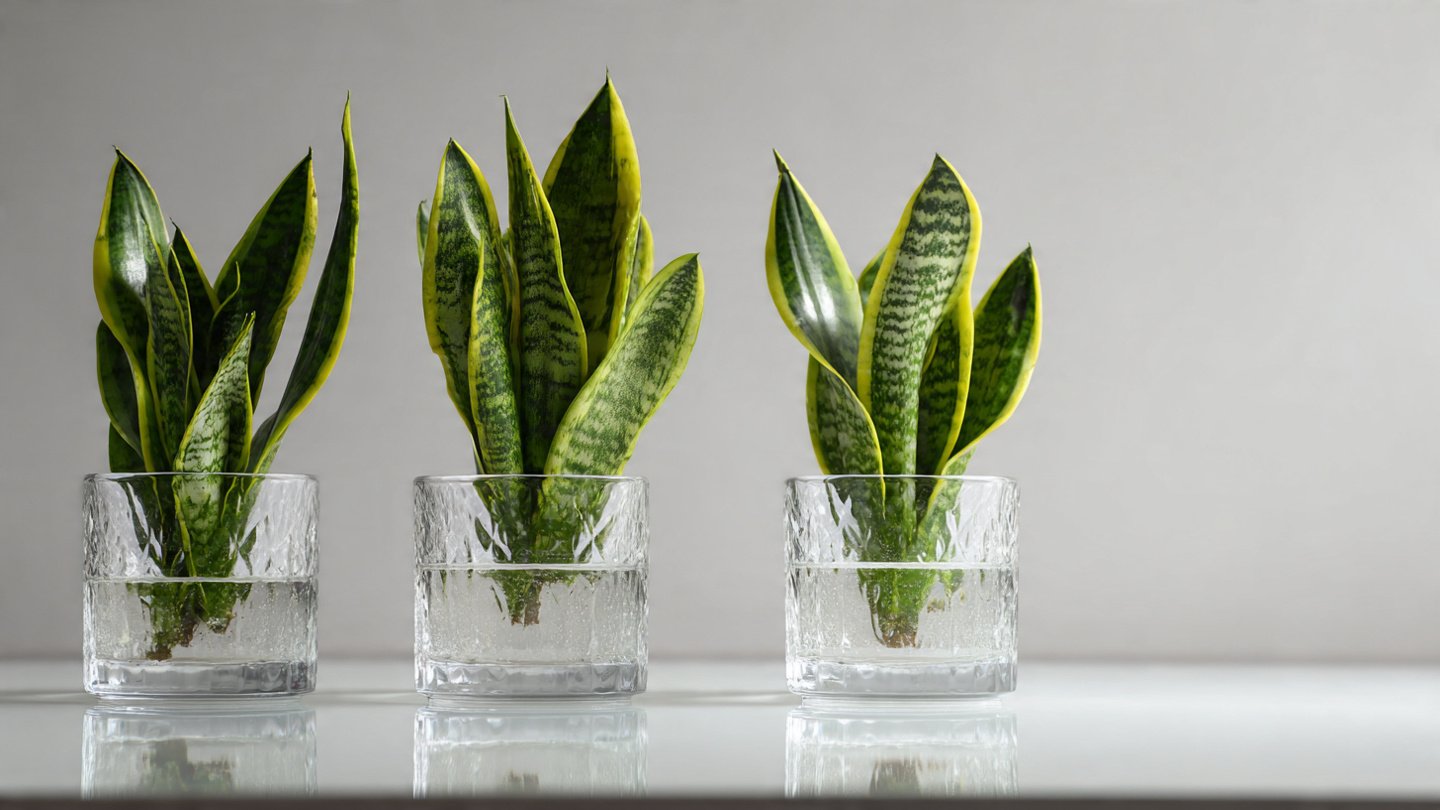
Snake plants, scientifically known as Sansevieria or Dracaena trifasciata, are popular houseplants known for their resilience and striking appearance. With long, blade-like leaves and a beautiful pattern, they can enhance the aesthetics of any space. While traditionally grown in soil, many plant enthusiasts have discovered the benefits of growing snake plants in water year-round. This guide will walk you through the essentials of successfully growing snake plants in water, along with tips, tricks, and a FAQ section to address common queries.
Why Grow Snake Plants in Water?
1. Aesthetic Appeal
Latest Posts
- Easy Steps to Successfully Grow Bhindi in Grow Bags at Home
- Easy Steps to Grow a Healthy Guava Bonsai at Home for Beginners
- How to Successfully Grow and Cultivate White Strawberry Plants at Home for Delicious and Unique Fruits
- Ultimate Guide to Successfully Growing Weeping Fig Outdoors with Proven Techniques and Expert Tips
- How to Successfully Grow Flemish Beauty Pear Trees in Canada for Optimal Harvest
- Easy Hack to Grow Strawberries Year Round in Your Home Garden for Delicious Harvests
- Growing Flemish Beauty Pears in Canada A Complete Guide for Local Gardens
- The Ultimate Guide to Growing Hibiscus Plants Year Round for Vibrant Blooms and Healthy Foliage
- Easy Ways to Boost the Growth Rate of Your Indoor Peace Lily for Lush Green Foliage
- How to Successfully Grow Oak Leaf Lettuce in Your Home Garden for Fresh and Flavorful Salads
Growing snake plants in water can create a clean and modern look, especially in glass containers. The transparent view showcases the roots, enhancing the visual appeal of your decor.
2. Low Maintenance
Snake plants are robust and require minimal care. When grown in water, they eliminate the need for frequent soil management and can be easier to maintain.
3. Air Purification
Snake plants are known for their air-purifying properties. They can filter formaldehyde, xylene, toluene, and nitrogen oxides, creating a healthier indoor environment. This benefit remains intact whether they are grown in soil or water.
4. Root Health Monitoring
Growing snake plants in water allows for easy observation of root health, making it easier to identify any potential problems early.
Choosing the Right Container
Selecting the proper container for your snake plant is crucial for success in water propagation. Here are some important factors to consider:

1. Material
Glass containers are popular due to their aesthetic appeal and the ability to observe root growth. However, ceramic or plastic containers can also be used as long as they provide enough water and stability.
2. Size
Choose a container that allows ample space for root growth. Ensure it’s large enough to accommodate the roots without constricting them, yet not so large that it becomes difficult to maintain water levels.
3. Depth
The container should be deep enough to support the growth of the roots. Ideally, at least 4-6 inches deep is recommended to provide adequate space for the roots to expand.
Propagating Snake Plants in Water
Propagation is the process of growing new plants from existing ones. Here’s how to do it successfully:
1. Select a Healthy Leaf
Choose a mature leaf from your snake plant. Look for one that is healthy, free from spots or damage.
2. Cut the Leaf
Using a clean, sharp knife or scissors, cut the leaf at the base. You can also slice the leaf into sections, ideally about 4-6 inches in length, ensuring that you make a straight cut.
3. Prepare the Cuttings

Let the cuttings sit for a few hours to a day to allow the cut surface to callous over. This step is essential to prevent rot when they are placed in water.
4. Place the Cuttings in Water
Fill your chosen container with clean, distilled, or filtered water. Submerge the cut end of the leaf in water, ensuring that at least an inch is underwater while the rest is above. You can use pebbles or a support system to keep the cuttings upright.
5. Location
Place the container in a spot that receives indirect sunlight. While snake plants can tolerate low light, bright, indirect light encourages faster growth.
Caring for Water-Grown Snake Plants
Once your snake plants are in water, ongoing care becomes important. Here’s what you need to know:
1. Water Change
Change the water every two to three weeks to ensure the roots have access to clean water and oxygen. Stagnant water can lead to algae growth and root rot.
2. Nutrient Addition
After a few weeks, you may notice slower growth. To encourage healthy growth, consider adding a diluted liquid fertilizer (preferably water-soluble) every month. Use a balanced fertilizer at one-quarter strength to avoid nutrient burn.
3. Root Observation
Regularly check the roots for any signs of decay or rot. Healthy roots will appear white or light tan. If you see black or mushy roots, it’s best to trim them back and replace the water.

4. Light Requirements
Continue to place your snake plants in indirect sunlight. Direct sun can lead to leaf burn, while too little light can stifle growth. Rotate the container occasionally to ensure even exposure.
5. Temperature and Humidity
Snake plants thrive in temperatures between 60°F and 80°F (15°C to 27°C). They can tolerate lower humidity, making them suitable for indoor growing.
Common Problems and Solutions
1. Root Rot
Symptoms: Dark, mushy roots or a foul odor.
Solution: Remove the plant from the water, cut away rotten roots, and change the water. Consider using a fresh container if necessary.
2. Yellowing Leaves
Symptoms: Leaves turning yellow and wilting.
Solution: This can be a sign of overwatering or poor light conditions. Adjust your care routine accordingly.
3. Algae Growth
Symptoms: Green film on water surface.
Solution: Change the water more frequently and clean the container thoroughly. Ensure the container is not placed in direct sunlight for too long.
Additional Tips for Success
-
Choosing the Right Cuttings: Healthy cuttings are crucial for successful propagation. Look for firm, healthy leaves.
-
Patience is Key: Rooting can take several weeks. Don’t rush the process; allow the plant time to adjust to its new environment.
-
Monitor Growth: Keep an eye on the growth stages of your plant; it may require adjustments in care as it matures.
-
Propagation in Stages: After the initial growth in water, you can eventually transfer your snake plant to soil if desired. However, this isn’t necessary if you prefer the water setup.

FAQs
1. Can I grow snake plants only in water permanently?
Yes, snake plants can thrive in water indefinitely, provided you maintain clean water and monitor root health.
2. How often should I change the water?
Change the water every two to three weeks to prevent stagnation and promote healthy root growth.
3. Can snake plants survive in low light conditions?
Yes, snake plants are adaptable and can survive in low-light conditions, but indirect light encourages more robust growth.
4. How long does it take to see new growth in water?

Patience is essential. New growth can take weeks to months, depending on the environment and care provided.
5. Can I use tap water?
While tap water can be used, it’s best to use distilled or filtered water to prevent chlorine and other chemicals from affecting growth.
6. What should I do if my plant leaves turn brown?
Brown leaves can indicate underwatering or exposure to direct sunlight. Adjust your watering routine and ensure it’s placed in the appropriate light.
7. Can I propagate snake plants with leaf cuttings?
Absolutely! Leaf cuttings can be propagated successfully. Just follow the steps outlined for cutting and placing in water.
8. Do snake plants attract pests?
While snake plants are less prone to pests, they can occasionally attract mealybugs or spider mites. Regular inspection and prompt action can help keep them in check.
Conclusion
Growing snake plants in water year-round is not just a unique and modern take on plant care; it’s an enjoyable and fulfilling hobby. With the right materials, care routine, and attention to detail, you can cultivate healthy, vibrant snake plants that will beautify your home and purify the air. By following the tips in this guide, you’ll set yourself up for success as you embark on your water-propagation journey. Enjoy the process and watch your snake plants flourish!