Simple Trick to Multiply Jade Plant Leaves with Minimal Effort
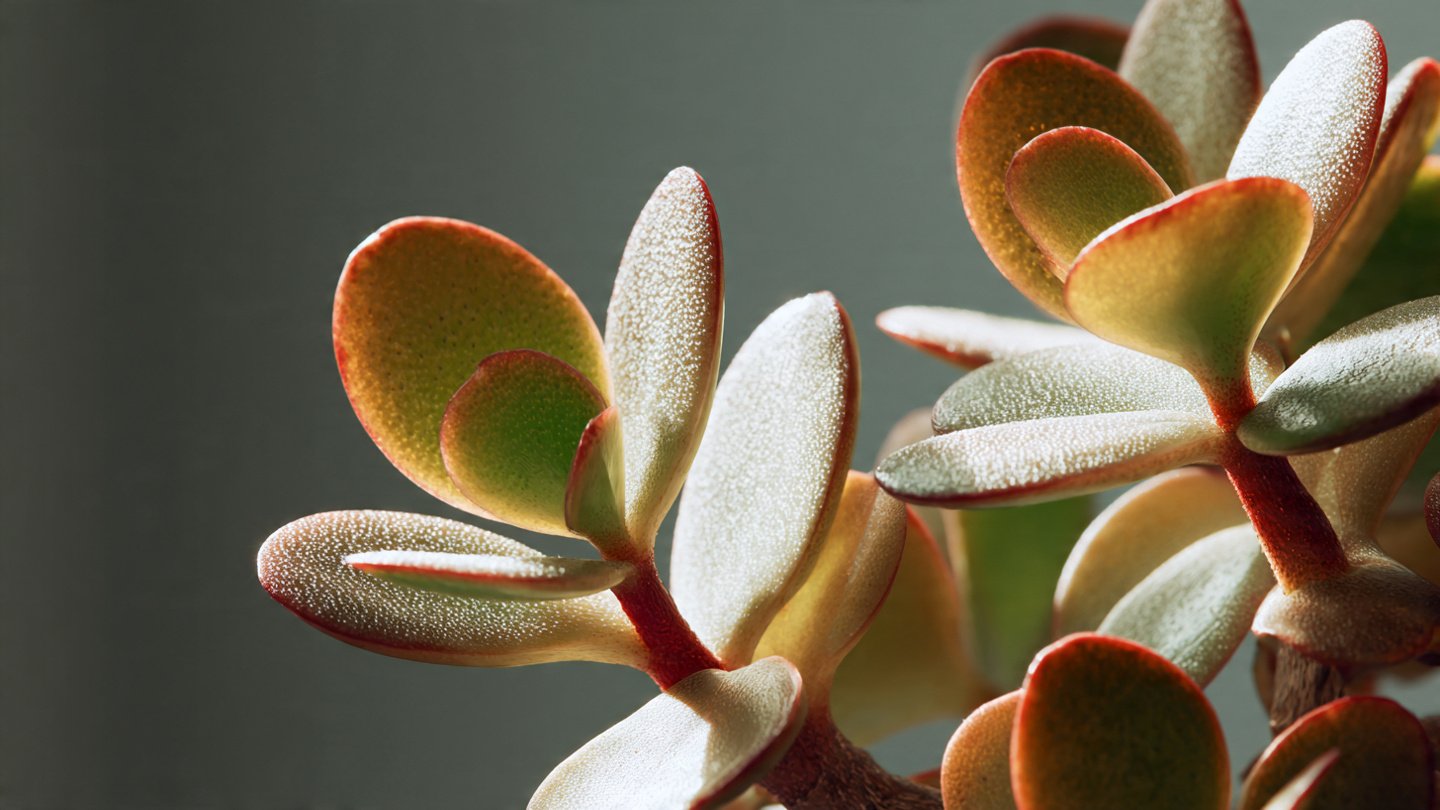
Jade plants (Crassula ovata) are popular succulents known for their beautiful, fleshy leaves and resilience. They hold a special place in many homes, not only because of their aesthetic appeal but also due to their symbolic significance. In Feng Shui, jade plants are believed to bring prosperity and good luck. If you’re a lover of these hardy plants, you might be interested in propagating them. Fortunately, multiplying jade plant leaves is straightforward and requires minimal effort. This article will guide you through the process, tips for success, and common questions regarding jade plant propagation.
Understanding Jade Plants
Before diving into propagation methods, it’s worthwhile to understand a bit about jade plants. They are native to South Africa and are part of the Crassulaceae family. Jade plants thrive in well-draining soil and can tolerate drought conditions. Their thick, oval leaves store water, making them a perfect candidate for those who may not have a green thumb or might forget to water regularly.
Latest Posts
- Easy Steps to Successfully Grow Bhindi in Grow Bags at Home
- Easy Steps to Grow a Healthy Guava Bonsai at Home for Beginners
- How to Successfully Grow and Cultivate White Strawberry Plants at Home for Delicious and Unique Fruits
- Ultimate Guide to Successfully Growing Weeping Fig Outdoors with Proven Techniques and Expert Tips
- How to Successfully Grow Flemish Beauty Pear Trees in Canada for Optimal Harvest
- Easy Hack to Grow Strawberries Year Round in Your Home Garden for Delicious Harvests
- Growing Flemish Beauty Pears in Canada A Complete Guide for Local Gardens
- The Ultimate Guide to Growing Hibiscus Plants Year Round for Vibrant Blooms and Healthy Foliage
- Easy Ways to Boost the Growth Rate of Your Indoor Peace Lily for Lush Green Foliage
- How to Successfully Grow Oak Leaf Lettuce in Your Home Garden for Fresh and Flavorful Salads
Why Propagate Jade Plants?
- Cost-Effective: Instead of purchasing more plants, you can propagate existing ones.
- Creating New Plants: You can create a small jade plant garden or give them as gifts to friends and family.
- Healthy Growth: Propagating can help rejuvenate the parent plant, making it healthier and more vibrant.
The Simple Trick: Leaf Propagation
Leaf propagation is one of the simplest methods for multiplying jade plants. Here’s a step-by-step guide to ensure your propagation journey is a success.

Step 1: Gather Your Supplies
Before you start, gather the following materials:
- A healthy jade plant.
- Sharp scissors or pruning shears.
- A small pot or container with drainage holes.
- Cactus or succulent potting mix.
- A clean, flat workspace.
Step 2: Select the Right Leaves
The first step in the propagation process is selecting healthy leaves from the parent plant. Choose plump, vibrant leaves that aren’t showing signs of damage, discoloration, or rot. Typically, the larger leaves have more energy reserves for the new growth they’ll support.

Step 3: Taking Cuttings
Using your clean scissors or pruning shears, gently twist or cut the desired leaf from the stem. Ensure you make a clean cut to avoid damaging the plant. Aim to take a small branch with a few leaves, if possible, as this can improve your chances of successful propagation.
Step 4: Allowing Cuttings to Callus
Once you’ve taken the cuttings, place them on a clean, dry surface away from direct sunlight. Allow them to callus for about 2-3 days. This step is vital as it helps prevent rot when you plant them.
Step 5: Preparing the Potting Mix
While the leaves are calling, prepare your potting mix. Use a cactus or succulent-specific soil mix that provides good drainage. Fill your small pot with the soil but do not compact it too tightly; the roots need space to grow.
Step 6: Planting the Cuttings
After the cuttings have callused, you can gently place them on top of the soil. Don’t bury the leaves; instead, the cut end should be in contact with the soil while the leaf itself rests on top. If desired, you may lightly mist the soil to provide some moisture.
Step 7: Watering

Water your newly planted cuttings sparingly. Overwatering can lead to rot; hence, it’s crucial to allow the soil to dry out completely between watering. Initially, mist the leaves or use a spray bottle to keep the humidity in check and encourage rooting.
Step 8: Providing the Right Environment
Place the pot in a bright location that receives indirect sunlight. Avoid harsh, direct sunlight, which can scorch the leaves. Maintain a warm atmosphere, ideally between 65-75°F (18-24°C).
Step 9: Patience is Key
It may take several weeks to see roots develop. Look for new growth, which indicates that your cutting is thriving. Once you notice tiny roots and new leaf formations, you can care for them like an established jade plant, gradually increasing water and providing gentle sunlight.
Tips for Success
- Choose the Right Season: The best time to propagate jade plants is during the growing season, which is typically spring and summer.
- Use Sterilized Tools: Always ensure your scissors are clean to minimize the risk of infection or disease to either the parent plant or the new cuttings.
- Avoid Overwatering: One of the most common mistakes is overwatering. Humidity and moisture are essential, but too much can lead to rot.
- Fertilizing: Once your new plants establish a root system, you may introduce a diluted succulent fertilizer every few weeks during the growing season.

FAQs
What is the best time of year to propagate jade plants?
The best time to propagate jade plants is during spring or summer when the plant is actively growing.
How long does it take for jade plant leaves to root?
Jade plant leaves can take anywhere from a few weeks to a couple of months to develop roots, contingent on environmental conditions and care.
Can I propagate jade plants in water?
Unlike some plants, jade plants are not ideally propagated in water. They thrive better in soil that allows for drainage and prevents rot.
How many leaves can I cut for propagation at once?
You can cut multiple leaves for propagation, but be mindful not to over-harvest your jade plant. It’s vital to leave enough leaves on the parent plant to ensure it remains healthy.

What do I do if my cuttings start to rot?
If your cuttings show signs of rot, remove them from the soil, trim away the rotten parts, and allow the cut ends to dry and callus again before replanting in fresh soil.
Can I propagate leaves that are damaged or shriveled?
It’s best to avoid using damaged or shriveled leaves for propagation, as they are less likely to succeed. Always choose healthy, robust leaves.
Conclusion
Multiplying jade plants through leaf cuttings is a rewarding and straightforward process that can yield beautiful results with minimal effort. With the right techniques and care, you can effortlessly expand your collection or gift thriving plants to friends. So gather your tools and get started—your jade plant garden awaits!
Happy gardening!