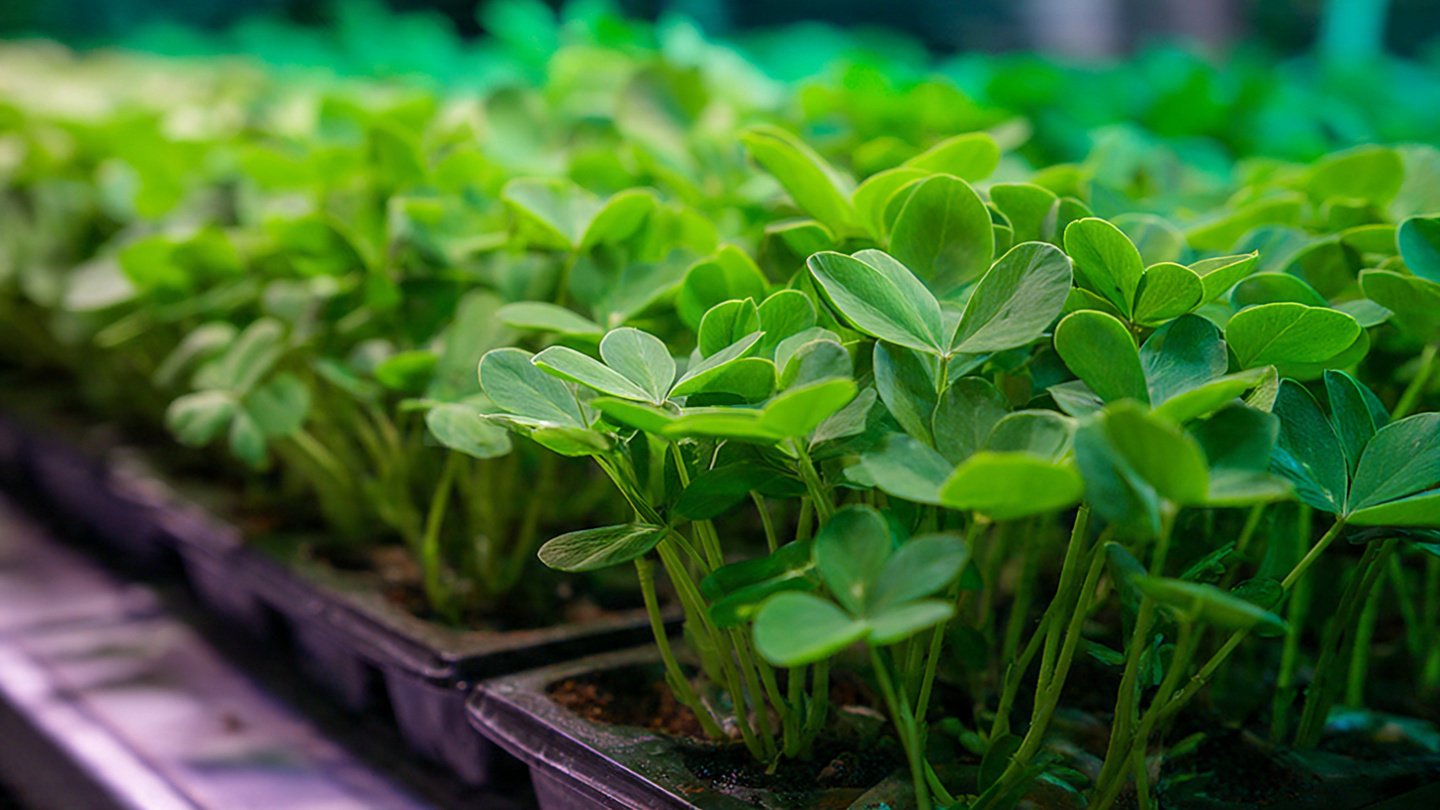
Fenugreek (Trigonella foenum-graecum) is a herb renowned for its nutritional benefits and culinary uses, particularly in Indian and Middle Eastern cuisine. Growing fenugreek indoors can be a rewarding endeavor—providing fresh leaves for cooking, improving air quality, and enhancing overall aesthetics. This guide covers everything you need to know about successfully growing fenugreek leaves in an indoor tray environment.
1. Understanding Fenugreek
Fenugreek is an annual plant that belongs to the legume family. Its leaves are often used in cooking, while the seeds are utilized for their health benefits and flavor. The plant thrives in warm conditions and moist soil, making it suitable for indoor cultivation.
Latest Posts
- Easy Steps to Successfully Grow Bhindi in Grow Bags at Home
- Easy Steps to Grow a Healthy Guava Bonsai at Home for Beginners
- How to Successfully Grow and Cultivate White Strawberry Plants at Home for Delicious and Unique Fruits
- Ultimate Guide to Successfully Growing Weeping Fig Outdoors with Proven Techniques and Expert Tips
- How to Successfully Grow Flemish Beauty Pear Trees in Canada for Optimal Harvest
- Easy Hack to Grow Strawberries Year Round in Your Home Garden for Delicious Harvests
- Growing Flemish Beauty Pears in Canada A Complete Guide for Local Gardens
- The Ultimate Guide to Growing Hibiscus Plants Year Round for Vibrant Blooms and Healthy Foliage
- Easy Ways to Boost the Growth Rate of Your Indoor Peace Lily for Lush Green Foliage
- How to Successfully Grow Oak Leaf Lettuce in Your Home Garden for Fresh and Flavorful Salads
1.1 Nutritional Benefits
Fenugreek leaves are rich in nutrients, including vitamins A, C, and K, as well as minerals like calcium, iron, and potassium. They are known to aid in digestion, help regulate blood sugar levels, and promote heart health.
2. Choosing the Right Materials
Before embarking on your indoor fenugreek garden, it’s essential to gather suitable materials.
2.1 Tray or Container
Opt for a shallow tray or container that’s at least 6 inches deep. Ensure it has drainage holes to prevent waterlogging.
2.2 Soil
Use a well-draining potting mix, preferably rich in organic matter. You can create your own mix by combining equal parts of potting soil, compost, and perlite or sand.
2.3 Seeds
Purchase high-quality fenugreek seeds from a reliable supplier. Look for organic options if possible, as they are often free from harmful chemicals.
2.4 Light Source
Fenugreek requires full sun to thrive. If your indoor space doesn’t receive adequate natural light, consider investing in grow lights. LED grow lights are energy-efficient and effective.
2.5 Watering Can and Spray Bottle
Ensure you have a watering can for regular watering and a spray bottle for humidity control.
3. Planting Fenugreek Seeds
3.1 Soaking Seeds
Soak the fenugreek seeds in water for 4 to 6 hours before planting. This will help speed up germination.
3.2 Seeding
- Fill your tray with the prepared potting mix.
- Moisten the soil lightly.
- Space the seeds about 1 to 2 inches apart and gently press them into the soil.
- Cover the seeds with a thin layer of soil (about ¼ inch) and lightly mist the surface to settle the soil.

3.3 Watering
Water the tray carefully, ensuring the soil is moist but not soggy. Use a spray bottle to maintain a gentle moisture level if needed.
4. Creating the Ideal Growing Conditions
4.1 Light Requirements
Fenugreek requires at least 6 to 8 hours of sunlight daily. If using grow lights, position them about 6 to 12 inches above the tray and keep them on for around 12 to 16 hours a day.
4.2 Temperature and Humidity
Fenugreek grows best at temperatures between 60°F and 75°F (15°C to 24°C). Maintain indoor humidity levels between 40% and 60%. You may use a humidifier or place a shallow tray of water near the plants.
4.3 Fertilization
Generally, fenugreek doesn’t require heavy fertilization. However, you can apply a diluted, water-soluble fertilizer or organic compost every two weeks once the seedlings are a few inches tall.
5. Caring for Your Fenugreek Plants
5.1 Watering
Keep the soil consistently moist but avoid waterlogging. When the top inch of soil feels dry, it’s time to water.

5.2 Thinning Plants
Once seedlings reach about 2 inches tall, thin them out to ensure ample space for growth. Aim for a spacing of 4 to 6 inches between plants.
5.3 Pest Control
Fenugreek is largely resistant to pests, but keep an eye out for aphids and spider mites. If detected, treat the plants with insecticidal soap or neem oil.
6. Harvesting Fenugreek Leaves
Fenugreek leaves can be harvested once they reach 3 to 4 inches in height, usually about 3 to 4 weeks after planting. Use scissors to snip off the leaves, ensuring you leave some behind for continued growth. Regular harvesting encourages bushier growth.
7. Common Problems and Solutions
7.1 Poor Germination
If your seeds aren’t germinating, ensure that they were soaked before planting, and check that the soil remains consistently moist but not soggy.
7.2 Yellowing Leaves
Yellowing leaves could indicate either overwatering or nutrient deficiency. Check the moisture level and consider a light application of fertilizer.
7.3 Wilting
Wilting leaves often signify underwatering. Increase your watering frequency, ensuring the soil remains evenly moist.

8. Indoor Fenugreek in Different Seasons
8.1 Spring and Summer
These seasons are ideal for planting, as fenugreek thrives in warm temperatures and long days.
8.2 Fall and Winter
If you’re planting during cooler months, consider keeping your indoor environment warmer and utilizing grow lights for adequate light and warmth.
9. Benefits of Growing Fenugreek Indoors
- Fresh Supply: Enjoy fresh fenugreek leaves year-round for your culinary needs.
- Air Quality: Indoor plants improve air quality by absorbing toxins and releasing oxygen.
- Therapeutic Activity: Gardening can reduce stress and improve overall wellbeing.
10. Storing Your Harvest
Once harvested, you can store fenugreek leaves in airtight containers in the refrigerator for up to a week. Alternatively, you can dry them by hanging them in a dark, dry place to preserve their flavor for longer.
FAQs
Q1: How long does it take for fenugreek seeds to germinate?

A1: Fenugreek seeds typically take 2 to 3 days to germinate under optimal conditions.
Q2: Can fenugreek grow in low light?
A2: While fenugreek can survive in low light, it thrives best in full sun or with grow lights that mimic sunlight conditions.
Q3: How often should I water my fenugreek?
A3: Water when the top inch of soil is dry, typically every 2-4 days, depending on humidity and temperature conditions.
Q4: Can fenugreek leaves be used fresh or dried?
A4: Yes! Fenugreek leaves can be used fresh in salads or cooked dishes, and dried leaves can be stored for longer shelf life.
Q5: What are some recipes using fenugreek leaves?
A5: Fenugreek leaves can be added to curries, lentil dishes, parathas (stuffed flatbreads), and salads for added flavor and nutrition.
Conclusion
Growing fenugreek leaves in an indoor tray environment is a simple yet fulfilling gardening project that rewards you with fresh herbs, enhanced nutrition, and the joys of watching plants thrive. By following the guidelines in this complete guide, you’ll be on your way to cultivating your own indoor fenugreek garden in no time. So gather your supplies, prepare your space, and enjoy the process of nurturing these delightful herbs. Happy gardening!