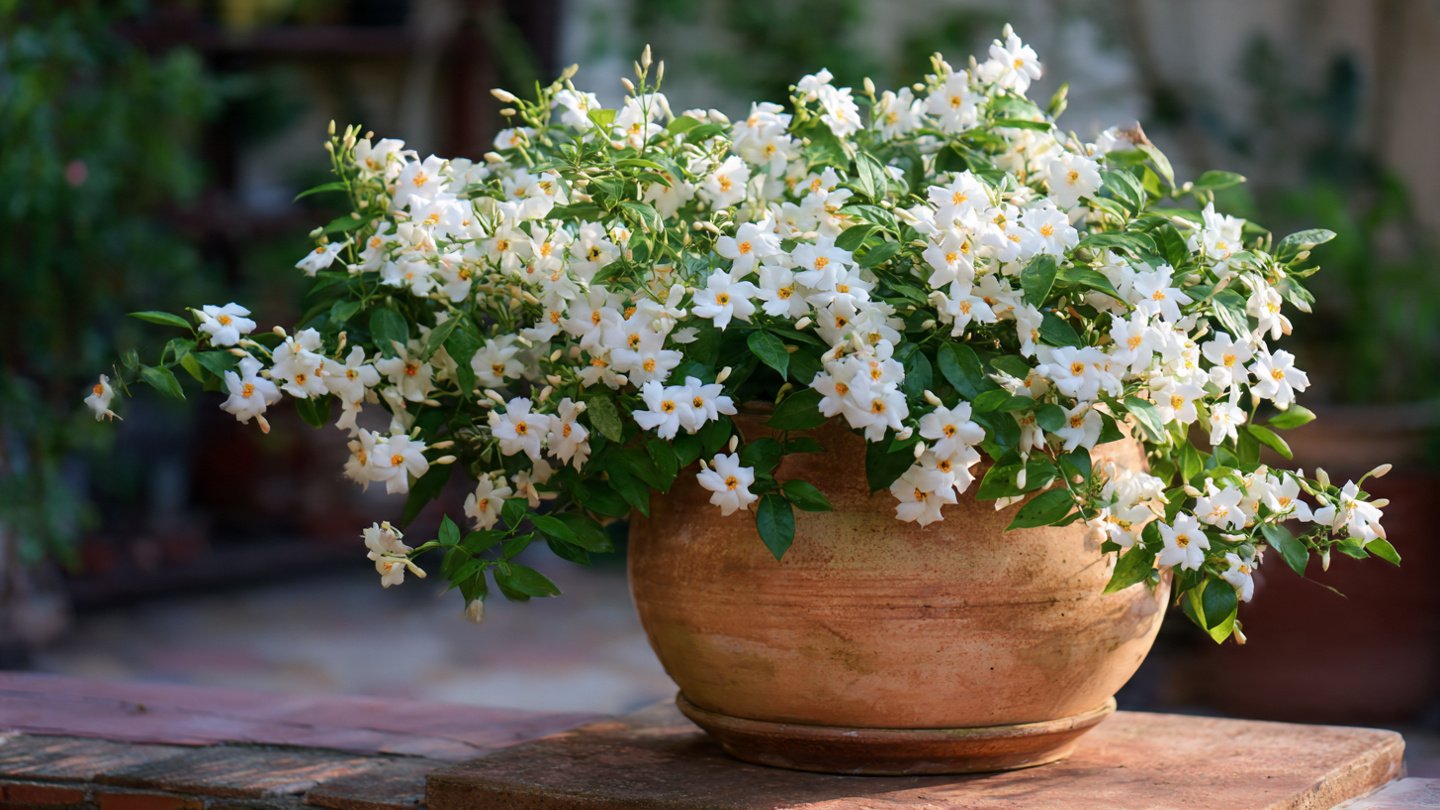
Arabian Jasmine, scientifically known as Jasminum sambac, is a fragrant flowering plant renowned for its delicate white blossoms and sweet scent. This plant holds cultural significance in many countries and thrives exceptionally well in pots, making it a fantastic choice for indoor or patio gardening. This guide will cover step-by-step instructions on growing Arabian Jasmine in a pot, from selecting the right pot to care tips for both beginners and gardening experts. Let’s dive into the details!
Understanding Arabian Jasmine
Botanical Profile
- Common Names: Arabian Jasmine, Sambac Jasmine
- Family: Oleaceae
- Native Region: Southeast Asia, particularly in the tropical regions of the Philippines, Indonesia, and Malaysia.
Characteristics
Arabian Jasmine is a perennial shrub that typically grows to about 3 to 6 feet tall but can be kept smaller when grown in pots. Its waxy green leaves complement the star-shaped white flowers that appear abundantly and emit a sweet fragrance, particularly during the evening. Whether you’re cultivating it for its beauty or scent, Arabian Jasmine is a gratifying plant to have in your garden.
Selecting the Right Pot
Before you embark on your Arabian Jasmine journey, choosing the right pot is crucial:
Size
Pick a pot that is at least 12 to 14 inches in diameter. Jasmine plants have deep root systems, so a pot with ample depth is essential.
Material
Terracotta pots are preferable due to their breathability, which prevents overwatering. However, you can also use plastic or glazed pots if they have drainage holes.
Latest Posts
- Easy Steps to Successfully Grow Bhindi in Grow Bags at Home
- Easy Steps to Grow a Healthy Guava Bonsai at Home for Beginners
- How to Successfully Grow and Cultivate White Strawberry Plants at Home for Delicious and Unique Fruits
- Ultimate Guide to Successfully Growing Weeping Fig Outdoors with Proven Techniques and Expert Tips
- How to Successfully Grow Flemish Beauty Pear Trees in Canada for Optimal Harvest
- Easy Hack to Grow Strawberries Year Round in Your Home Garden for Delicious Harvests
- Growing Flemish Beauty Pears in Canada A Complete Guide for Local Gardens
- The Ultimate Guide to Growing Hibiscus Plants Year Round for Vibrant Blooms and Healthy Foliage
- Easy Ways to Boost the Growth Rate of Your Indoor Peace Lily for Lush Green Foliage
- How to Successfully Grow Oak Leaf Lettuce in Your Home Garden for Fresh and Flavorful Salads

Drainage
Ensure the pot has drainage holes at the bottom to avoid water buildup, which can lead to root rot.
Soil and Fertilization
Soil Type
Arabian Jasmine prefers well-draining, loamy soil with a pH level of around 6.0 to 7.0. You can create your own potting mix by combining:
- 1 part potting soil
- 1 part perlite or coarse sand
- 1 part compost
This mix provides adequate drainage and nutrients for the plant’s growth.
Fertilization
In terms of feeding, Arabian Jasmine benefits from a balanced liquid fertilizer, applied every four to six weeks during the growing season (spring and summer). Here are some recommendations:
- Type: A balanced 10-10-10 NPK fertilizer.
- Application: Dilute the fertilizer to half-strength and apply it to the soil around the base of the plant.
Planting Arabian Jasmine
Step-by-Step Process
- Prep the Pot: Ensure the pot is clean and has drainage holes.
- Add Soil: Fill the pot with your prepared potting mix, leaving enough space at the top for the plant.
- Remove the Plant: Carefully remove the Arabian Jasmine from its nursery container. Gently loosen the roots if they are pot-bound.
- Position the Plant: Place the plant in the center of the pot, ensuring that the top of the root ball is level with the surface of the soil.
- Cover with Soil: Fill around the root ball with the potting mix and lightly press down to eliminate air pockets.
- Water: Water the plant thoroughly, allowing excess water to drain out.
Ideal Growing Conditions
Light Requirements
Arabian Jasmine thrives in bright, indirect sunlight. A south-facing window is ideal for indoor plants, while outdoor plants should be placed in a spot that receives dappled sunlight.
Temperature and Humidity
- Temperature: Arabian Jasmine prefers temperatures between 60°F and 75°F (15°C to 24°C). Protect the plant from extreme cold below 50°F (10°C).
- Humidity: Jasmine loves humidity! Mist the leaves regularly or place a humidity tray beneath the pot to maintain the moisture levels.
Watering
Maintaining a consistent watering schedule is key:
- Frequency: Water when the top inch of the soil feels dry.
- Method: Water until liquid drains from the bottom. Avoid letting the plant sit in water, as this can lead to root rot.
Pruning and Training
Pruning
Pruning helps maintain the shape of the plant and encourages growth:
- Prune lightly after flowering.
- Remove any dead or yellowing leaves.
Training
If you wish to train your Arabian Jasmine to climb, provide a trellis or allow it to cascade over the sides of the pot. Use soft ties to secure the stems gently.
Pest and Disease Management
Keep an eye out for common pests such as aphids, spider mites, and mealybugs. Here’s how to manage them:
Prevention and Treatment
- Regular Inspection: Check the leaves regularly for signs of infestation.
- Neem Oil: Use neem oil or insecticidal soap for treatment.
- Isolation: If you spot an infestation, isolate the affected plant to prevent it from spreading.
Fungal Diseases
Overwatering can lead to root rot and fungal diseases. Ensure proper drainage and avoid wetting the leaves while watering.

Propagation Techniques
Arabian Jasmine can be propagated easily, making it a rewarding plant for gardeners.
By Cuttings
- Select Healthy Stems: Look for Healthy, non-flowering stems.
- Cut: Use sanitized scissors to cut a 4-6 inch stem just below a node.
- Prepare the Cutting: Remove the lower leaves, leaving just a few at the top.
- Rooting Medium: Place the cutting in a glass of water or directly into a pot with potting mix.
- Humidity: Cover with a plastic bag to retain moisture. After a few weeks, roots should develop.
By Layering
You can also propagate by layering if the plant has long, arching stems:
- Select a Stem: Choose a low-hanging stem with a node.
- Bend and Bury: Bend it to the soil and bury a part while leaving the top exposed.
- Roots: This may take several weeks, but roots will develop, allowing you to cut it away from the main plant.
Seasonal Tips
Summer Care
- Watering: Increased watering may be needed during the hot months.
- Fertilizing: Continue fertilization every 4-6 weeks.
Winter Care
- Location: Move indoors before the first frost.
- Light: Ensure enough light despite shorter days.
Troubleshooting Common Issues
- Yellow Leaves: Often caused by overwatering. Adjust your watering schedule.
- Poor Flowering: May indicate a lack of light or nutrients. Adjust as necessary.
- Drooping Plant: This can mean underwatering or overwatering. Check soil moisture levels.
FAQs
1. How often should I water Arabian Jasmine?
Water when the top inch of the soil is dry. Depending on the climate, this could mean every few days to weekly.
2. Can Arabian Jasmine grow indoors?
Yes, it can thrive indoors if provided with enough bright, indirect sunlight.
3. Why are the leaves on my Arabian Jasmine turning yellow?
Yellow leaves can be a sign of overwatering, nutrient deficiency, or inadequate light.
4. How can I encourage blooming?
Ensure the plant gets adequate light and nutrients. Deadheading (removing spent flowers) can also encourage more blooms.
5. Is Arabian Jasmine toxic to pets?
Arabian Jasmine is generally considered non-toxic to pets, but it’s always advisable to keep plants out of reach if you have curious animals.
6. Can Arabian Jasmine survive in winter?
Arabian Jasmine can survive in winter, but it should be brought indoors to avoid frost. Ensure it gets enough light during the winter months.
7. How do I propagate Arabian Jasmine?
You can propagate Arabian Jasmine either through cuttings or layering. Both methods are effective and rewarding.
Conclusion
Growing Arabian Jasmine in a pot can be a delightful experience for both beginners and seasoned gardeners. With a bit of planning, attention, and care, you’ll enjoy the enchanting fragrance and beauty that Arabian Jasmine brings to your home and garden. Happy gardening!