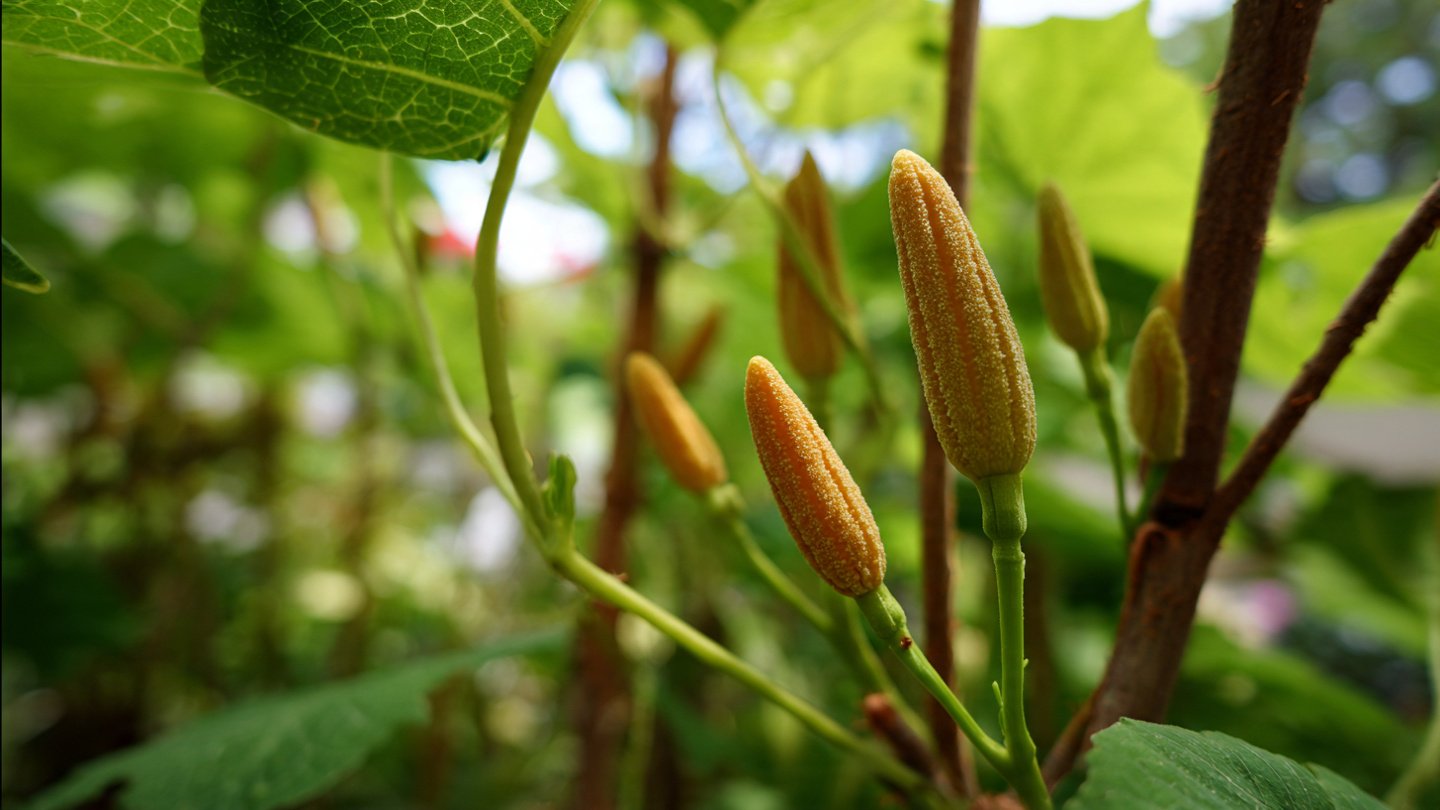
Lady finger, also known as okra or bhindi, is a popular vegetable in many cuisines, particularly in South Asian dishes. Prized for its nutritional benefits and culinary versatility, lady finger grows best in warm climates and can thrive in various soil conditions. However, to maximize growth and yield, specific techniques can be employed. This article will delve into the best practices for accelerating the growth of lady finger in your garden.
1. Choosing the Right Variety
Early Maturing Varieties
Start by selecting an appropriate variety of lady finger that matures quickly. There are several types of lady finger available, including:
- Annie Okra: A high-yielding, quick-maturing variety.
- Emerald: Known for its unique shape and strong flavor.
- Clemson Spineless: Offers a thornless harvest making it easier to pick.
Choosing a variety that is well-suited to your local climate will ensure a healthier, faster growth cycle.
2. Soil Preparation
Soil Type
Lady finger prefers well-drained, sandy loam soil rich in organic matter. Before planting:
- Test Your Soil: Use a soil test kit to gauge pH and nutrient levels. The ideal pH for lady finger is between 6.0 and 6.8.
- Amend the Soil: Add compost or well-rotted manure to enhance nutrients. This improves texture and drainage, benefitting root development.
Tillage
Loosen the soil to a depth of at least 12 inches. This encourages deep root growth and improves air circulation.
Latest Posts
- Easy Steps to Successfully Grow Bhindi in Grow Bags at Home
- Easy Steps to Grow a Healthy Guava Bonsai at Home for Beginners
- How to Successfully Grow and Cultivate White Strawberry Plants at Home for Delicious and Unique Fruits
- Ultimate Guide to Successfully Growing Weeping Fig Outdoors with Proven Techniques and Expert Tips
- How to Successfully Grow Flemish Beauty Pear Trees in Canada for Optimal Harvest
- Easy Hack to Grow Strawberries Year Round in Your Home Garden for Delicious Harvests
- Growing Flemish Beauty Pears in Canada A Complete Guide for Local Gardens
- The Ultimate Guide to Growing Hibiscus Plants Year Round for Vibrant Blooms and Healthy Foliage
- Easy Ways to Boost the Growth Rate of Your Indoor Peace Lily for Lush Green Foliage
- How to Successfully Grow Oak Leaf Lettuce in Your Home Garden for Fresh and Flavorful Salads
3. Proper Sowing Techniques
Timing
Lady finger is sensitive to temperature, thriving best in warm conditions. Sow seeds when the soil temperature reaches at least 60°F (15.5°C). In most regions, this is typically in late spring to early summer.
Seed Depth and Spacing
- Seed Depth: Plant seeds about 1 inch deep.
- Spacing: Space seeds 12 to 18 inches apart to allow for adequate growth. Rows should be about 3 feet apart.
Pre-soaking Seeds
Soaking seeds overnight in water can help to speed up germination. This stimulates the seeds and reduces the time to sprouting.
4. Watering Practices
Watering Schedule
Lady finger requires consistent moisture, especially during flowering and pod development.
- Initial Watering: Water thoroughly immediately after planting.
- Regular Watering: Maintain moisture by watering every 2-3 days if there’s no rain, ensuring the top 1-2 inches of soil remains moist.
Drip Irrigation
Consider using a drip irrigation system to provide consistent moisture without wetting the leaves. This reduces the risk of fungal diseases while ensuring deep watering.
5. Fertilization
Nutrient Requirements
Lady finger requires a balanced fertilization plan to achieve optimal growth.
- Nitrogen: Essential during the early growth stage. Use a nitrogen-rich fertilizer.
- Phosphorus and Potassium: Important during flowering and pod formation. Incorporate a balanced fertilizer or specialized vegetable formulation.
Fertilization Schedule
- Apply fertilizers at planting time.
- Follow up with a second application about four weeks after germination.
6. Pest and Disease Management
Integrated Pest Management (IPM)
Controlling pests is essential for healthy growth.
- Regular Inspection: Check for aphids, caterpillars, and beetles.
- Natural Predators: Encourage beneficial insects like ladybugs and lacewings.
- Organic Pesticides: Use insecticidal soap or neem oil sparingly to control outbreaks.
Disease Prevention
Common diseases affecting lady finger include:
- Powdery Mildew: Caused by overwatering and lack of air circulation. Ensure proper spacing between plants to maintain airflow.
- Root Rot: Avoid waterlogging by ensuring good drainage.
7. Weeding
Manual or Mulching
Weeds compete for nutrients and moisture. Implementing the following techniques will minimize their impact:
- Mulching: Use organic mulch like straw or dried leaves to suppress weeds and retain moisture.
- Regular Weeding: Hand weed periodically to keep the garden tidy and allow lady finger to thrive.
8. Pruning and Supporting Plants
Pruning
Prune lower leaves to promote airflow and improve light penetration for the upper leaves. This practice can reduce disease susceptibility and encourage better production.
Supporting Plants
Use stakes if plants become tall and top-heavy, ensuring stability and preventing breakage under wind or rain.

9. Harvesting
Timing
Harvesting lady finger at the right time is essential for maintaining quality.
- Size and Color: Look for pods that are about 2 to 4 inches long and have a vibrant green color.
- Regular Collection: Check plants every couple of days as pods can mature rapidly. Harvest often to encourage further production.
Techniques
Use scissors or pruning shears for harvesting to avoid damaging the plant. A gentle twist can also help in detaching the pods.
10. Continuous Care Throughout the Season
Monitoring Growth
Keep an eye on the growth of plants. Take notes on plant health, pest activity, and overall yield. Adjust care practices as needed based on observations.
Seasonal Rotation
Consider rotating crops from year to year. Planting lady finger in a different location will help prevent soil depletion and reduce pest build-up.
FAQs
Q1: How long does lady finger take to grow?
A1: Lady finger typically takes about 50 to 60 days from planting to harvest, depending on the variety.

Q2: Can I grow lady finger in containers?
A2: Yes, lady finger can be successfully grown in containers. Ensure the pot is at least 12 inches deep and has good drainage.
Q3: What climate conditions are optimal for growing lady finger?
A3: Lady finger thrives in warm climates, preferring temperatures between 70°F and 95°F (21°C to 35°C).
Q4: How can I prevent fungal diseases in lady finger?
A4: To prevent fungal diseases, provide adequate spacing for airflow, avoid overhead watering, and use organic fungicides if necessary.
Q5: Is lady finger a perennial or annual plant?
A5: Lady finger is generally grown as an annual. However, it can behave as a perennial in very warm climates.
Q6: What can I plant next to lady finger?
A6: Compatible companion plants include tomatoes, basil, and peppers. Avoid planting near crops like potatoes.
Conclusion
Growing lady finger can be a rewarding experience if you implement the appropriate techniques for augmentation. From soil preparation and proper sowing techniques to pest management and timely harvesting, each step contributes to robust plant growth. With these best practices in mind, you are set to reap a bountiful harvest in your garden. Happy gardening!