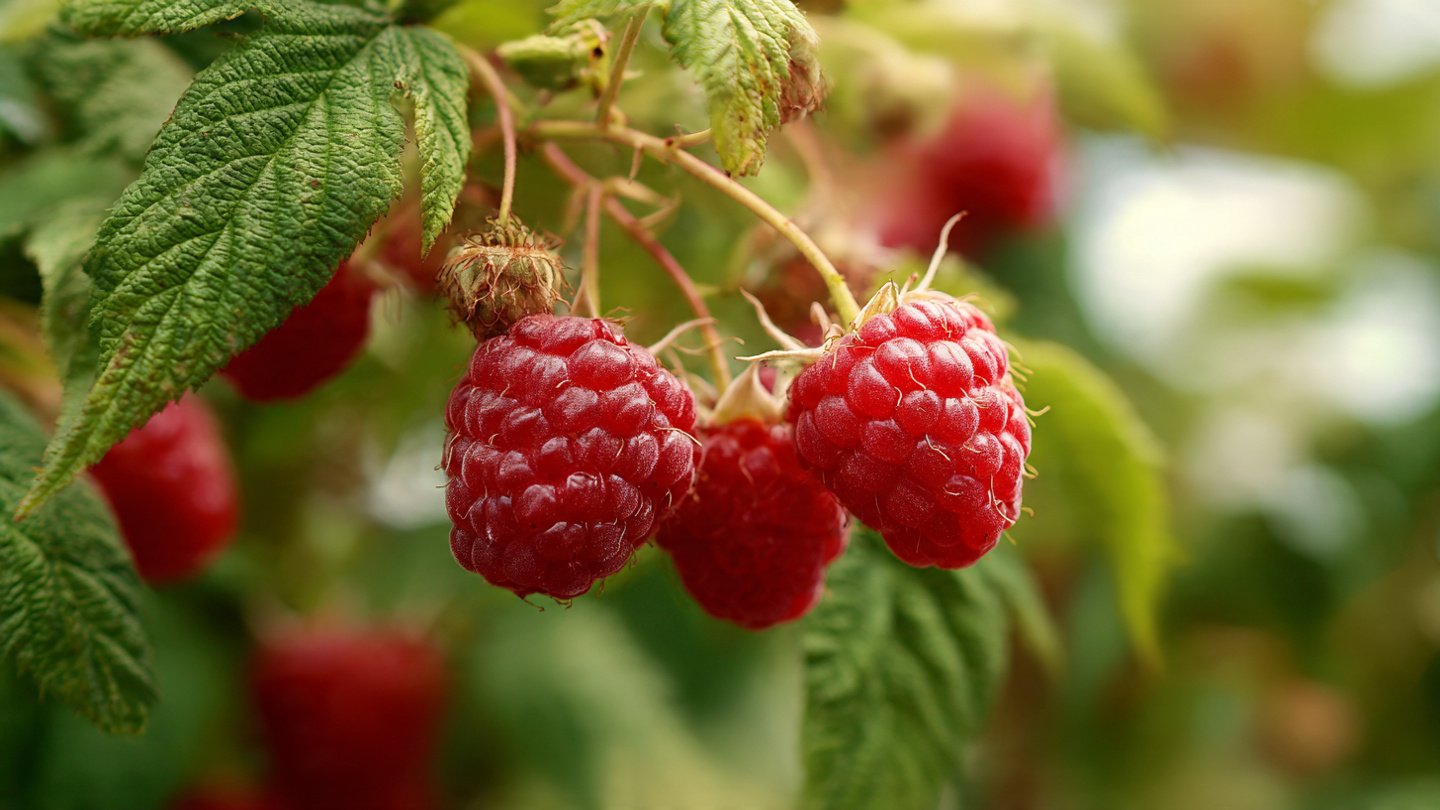
Red raspberries are a beloved fruit, known for their sweet-tart flavor and vibrant color. Growing them at home can be a rewarding experience, providing you with fresh, delicious berries that can be enjoyed straight from the vine or used in a variety of recipes. Whether you’re a seasoned gardener or a beginner, this guide will help you successfully cultivate red raspberries in your garden.
1. Choosing the Right Variety
When it comes to growing red raspberries, selecting the appropriate variety for your climate and garden conditions is crucial. Here are some popular varieties to consider:
Latest Posts
- Easy Steps to Successfully Grow Bhindi in Grow Bags at Home
- Easy Steps to Grow a Healthy Guava Bonsai at Home for Beginners
- How to Successfully Grow and Cultivate White Strawberry Plants at Home for Delicious and Unique Fruits
- Ultimate Guide to Successfully Growing Weeping Fig Outdoors with Proven Techniques and Expert Tips
- How to Successfully Grow Flemish Beauty Pear Trees in Canada for Optimal Harvest
- Easy Hack to Grow Strawberries Year Round in Your Home Garden for Delicious Harvests
- Growing Flemish Beauty Pears in Canada A Complete Guide for Local Gardens
- The Ultimate Guide to Growing Hibiscus Plants Year Round for Vibrant Blooms and Healthy Foliage
- Easy Ways to Boost the Growth Rate of Your Indoor Peace Lily for Lush Green Foliage
- How to Successfully Grow Oak Leaf Lettuce in Your Home Garden for Fresh and Flavorful Salads
- Heritage: An everbearing variety with a robust flavor, excellent for fall harvests.
- Caroline: Known for its large, sweet berries, this variety is also everbearing and disease-resistant.
- Latham: A cold-hardy variety that produces sweet berries in mid to late summer.
Consult local gardening centers or extension services to determine which varieties thrive best in your region.
2. Ideal Growing Conditions
Red raspberries thrive in specific conditions. Here are some key factors to consider:
Location
- Sunlight: Raspberries require full sun, ideally 6-8 hours per day. Choose a location that receives ample sunlight throughout the day.
- Soil: They prefer well-draining soil rich in organic matter. A pH range of 5.5 to 6.8 is ideal. Conduct a soil test to determine the soil quality and necessary amendments.
Space
- Spacing: Red raspberries need room to grow. Plant them 2-3 feet apart in rows that are spaced 6-8 feet apart. This spacing allows for air circulation, reducing the risk of disease.

3. Planting Red Raspberries
The best time to plant red raspberries is in early spring after the last frost or in the fall about six weeks before the first frost.
Steps for Planting:
-
Prepare the Soil: Loosen the soil to a depth of 12-18 inches and mix in plenty of organic matter, such as compost or well-rotted manure.
-
Dig Holes: Dig holes that are slightly larger than the root ball of your raspberry plants.
-
Planting: Place the raspberry plant in the hole, ensuring that the root crown is level with the soil surface. Fill in with soil and water deeply to settle the soil around the roots.
-
Mulching: Apply a layer of mulch around the plants to retain moisture, suppress weeds, and regulate soil temperature.
4. Watering and Fertilizing
Watering
Consistent moisture is essential for raspberry plants, especially during the fruiting period. Here are some watering tips:
- Frequency: Water deeply once a week, allowing the top inch of soil to dry out between waterings.
- Rainfall Consideration: Adjust your watering schedule based on rainfall. Raspberries typically require about 1-2 inches of water per week.

Fertilizing
Raspberries benefit from regular fertilization:
- Initial Fertilization: Use a balanced fertilizer (10-10-10) at the time of planting.
- Ongoing Fertilization: Fertilize again in early spring and after the fruiting season for optimal growth.
5. Supporting Raspberry Plants
As raspberry bushes grow, they require support to keep the canes upright and promote healthy growth. Here’s how to set up a support system:
Support Methods
- Trellising: Construct a simple trellis using stakes and wire. Position two rows of wire 3-4 feet high, allowing the canes to be tied safely.
- Cane Management: As the canes grow, tie them to the trellis at intervals to maintain their structure and ensure good air circulation.
6. Pruning Techniques
Pruning is essential for maximizing berry production and maintaining plant health. Here are some tips:
When to Prune
- Late Winter or Early Spring: Before new growth begins, prune dead or damaged canes and thin out old canes that have already produced fruit.
Pruning Steps
- Remove Old Canes: Cut down canes that are over two years old at ground level. These canes will not produce new fruit.
- Thin Out: Ensure the remaining canes are spaced adequately to allow for airflow.

7. Pest and Disease Management
Maintaining the health of your raspberry plants involves monitoring for pests and diseases.
Common Pests
- Aphids: Small, soft-bodied insects that can be controlled naturally with insecticidal soap or neem oil.
- Spider Mites: These tiny pests thrive in dry conditions. Increase humidity around the plants and use water sprays to keep populations in check.
Diseases
- Root Rot: Ensure good drainage to prevent this disease. If affected, remove the infected plants and improve soil conditions.
- Powdery Mildew: Promote air circulation and avoid overcrowding to prevent this fungal issue.
8. Harvesting Red Raspberries
The joy of growing red raspberries culminates in the harvest. Here’s how to determine when they are ripe and ready for picking:
Signs of Ripeness
- Color: Fully ripe raspberries should be vibrant red and slightly soft to the touch.
- Ease of Harvesting: A ripe raspberry will pull away easily from the stem.
Harvesting Technique

Use scissors or pruning shears to cut the fruit from the plant, keeping the delicate fruit intact.
9. Storing and Preserving
Once harvested, raspberries can be enjoyed fresh or preserved for later.
Short-term Storage
- Store raspberries in the refrigerator for up to five days. Keep them in a breathable container to avoid moisture buildup.
Long-term Preservation
- Freezing: Wash berries gently, spread them out on a baking sheet, and freeze them before transferring to freezer bags.
- Canning or Making Jam: Raspberries can also be canned or turned into delicious jam for long-term enjoyment.
FAQs
1. When is the best time to plant red raspberries?
The best time to plant red raspberries is in early spring after the last frost or in the fall about six weeks before the first frost.
2. How much sunlight do raspberry plants need?
Raspberry plants require full sun, ideally 6-8 hours of direct sunlight each day.
3. How often should I water my raspberry plants?
Water raspberry plants deeply once a week, allowing the top inch of soil to dry out between waterings.

4. What is the best fertilizer for raspberries?
Use a balanced fertilizer such as 10-10-10, applying it in early spring and after the fruiting season.
5. How can I manage pests and diseases?
Monitor plants regularly for signs of pests like aphids and spider mites. Foster healthy growth through good air circulation and proper watering to prevent diseases like root rot and powdery mildew.
6. How do I know when to harvest my raspberries?
Raspberries are ready to harvest when they are fully red, soft to the touch, and detach easily from the stem.
7. How should I store raspberries after harvesting?
Store raspberries in a breathable container in the refrigerator for up to five days, or freeze them for long-term storage.
8. Can I grow raspberries in containers?
Yes, raspberries can be grown in containers as long as the container is large enough (at least 5 gallons) and filled with good-quality potting mix.
Growing red raspberries at home is not only manageable but highly rewarding. By following the steps outlined in this guide, you can look forward to a bountiful harvest of sweet, juicy berries each year. Happy planting!