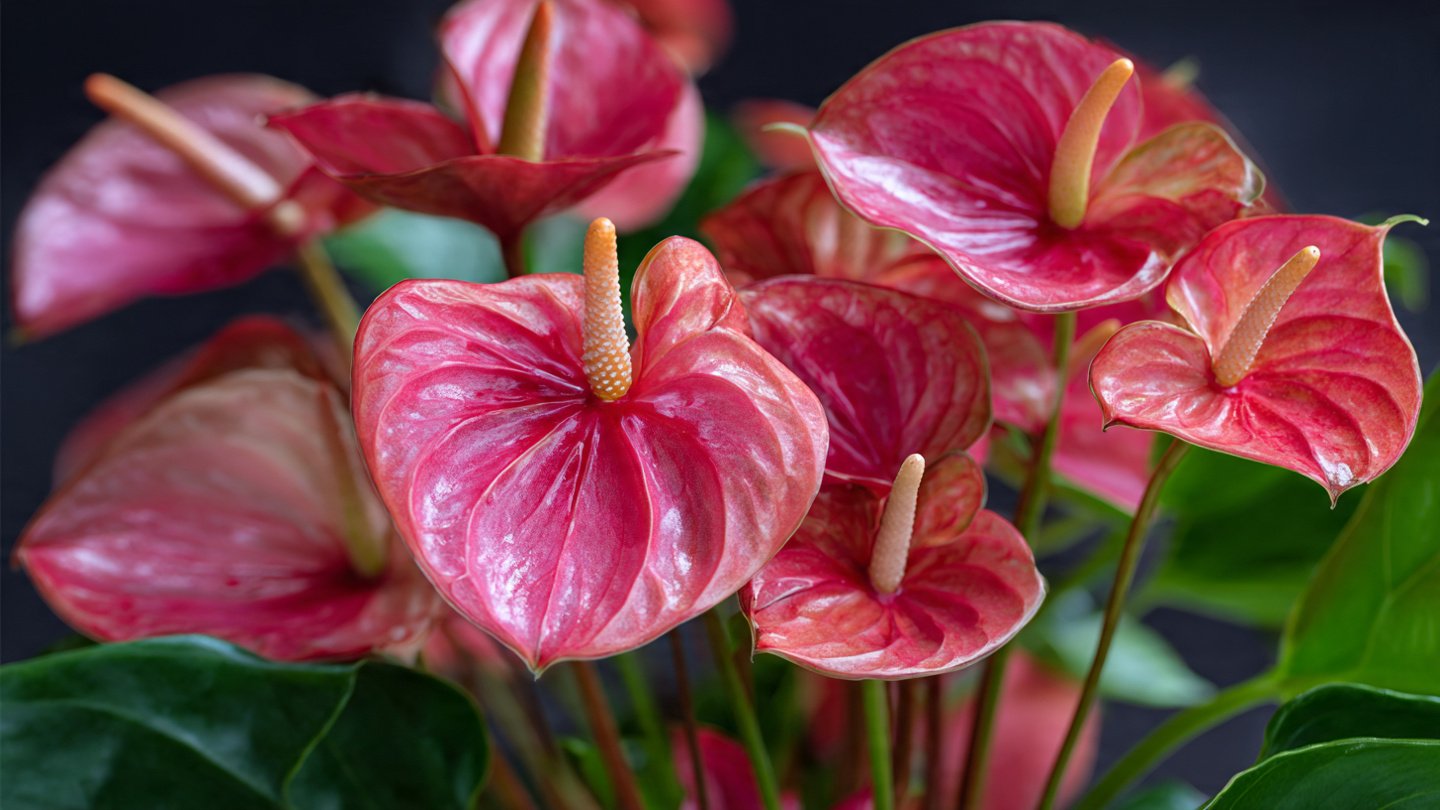
Anthurium, commonly known as the “flamingo flower” or “laceleaf,” is treasured for its stunning waxy flowers and glossy foliage. Native to the tropical regions of Central and South America, this versatile plant makes a magnificent addition to indoor gardens. With the right care and attention, you can enjoy vibrant blooms and lush green leaves throughout the year. This comprehensive guide will cover everything you need to know about successfully growing Anthurium indoors.
Understanding Anthurium
Anatomy of the Anthurium
Anthurium plants are characterized by their heart-shaped leaves and long-lasting flowers. The flowers, which bloom in various colors including red, pink, and white, are not technically flowers but spathes — leaf-like structures that surround a central spike known as a spadix.
Varieties of Anthurium
Numerous species and hybrids of Anthurium exist, but the most common for indoor cultivation is Anthurium andreanum. Its hybrid varieties are prized for their diverse colors and shapes.
Choosing the Right Location
Light Requirements
Anthuriums prefer bright, indirect sunlight. Direct sunlight can scorch their leaves, while too little light can hinder blooming. The ideal location is near an east or north-facing window, where they receive filtered light.
Temperature and Humidity
Anthuriums thrive in temperatures ranging from 65°F to 80°F (18°C to 27°C). They enjoy high humidity levels, ideally around 60% or higher. Providing adequate humidity is crucial for maintaining healthy foliage and promoting blooms.
Latest Posts
- Easy Steps to Successfully Grow Bhindi in Grow Bags at Home
- Easy Steps to Grow a Healthy Guava Bonsai at Home for Beginners
- How to Successfully Grow and Cultivate White Strawberry Plants at Home for Delicious and Unique Fruits
- Ultimate Guide to Successfully Growing Weeping Fig Outdoors with Proven Techniques and Expert Tips
- How to Successfully Grow Flemish Beauty Pear Trees in Canada for Optimal Harvest
- Easy Hack to Grow Strawberries Year Round in Your Home Garden for Delicious Harvests
- Growing Flemish Beauty Pears in Canada A Complete Guide for Local Gardens
- The Ultimate Guide to Growing Hibiscus Plants Year Round for Vibrant Blooms and Healthy Foliage
- Easy Ways to Boost the Growth Rate of Your Indoor Peace Lily for Lush Green Foliage
- How to Successfully Grow Oak Leaf Lettuce in Your Home Garden for Fresh and Flavorful Salads
Potting and Soil
Choosing the Right Pot
Selecting a pot with good drainage is essential. Terracotta or plastic pots with drainage holes work best to prevent waterlogging. The pot size should accommodate the plant’s root system while allowing room for growth.

Soil Composition
Anthuriums prefer a well-draining potting mix. A commercially available potting mix supplemented with perlite, orchid bark, or coconut coir works well. This composition ensures that moisture is retained but allows excess water to escape, preventing root rot.
Watering Guidelines
How Often to Water
Anthuriums require consistent moisture, but overwatering can be detrimental. Water when the top inch of the soil is dry. Typically, this may mean watering once a week during the growing season (spring and summer) and less frequently in fall and winter.
Watering Techniques
When watering, do so thoroughly until excess water drains from the holes. Avoid letting the plant sit in standing water, as this can lead to root rot.
Fertilizing for Growth
Choosing the Right Fertilizer
Feeding your Anthurium is critical for healthy growth and blooming. Use a balanced liquid fertilizer diluted to half strength. Look for a fertilizer with an N-P-K ratio of 30-10-10 during the growing season.
Fertilizing Schedule
Fertilize every 4-6 weeks during the growing season and reduce feeding in the fall and winter when the plant is dormant. Be cautious not to over-fertilize, which can lead to salt build-up and leaf burn.
Pruning and Maintenance
Pruning Techniques
Regular pruning helps maintain the plant’s shape and encourages new growth. Remove dead or yellowing leaves, as they can detract from the plant’s appearance. Use clean, sharp scissors to make clean cuts.
Leaf Care
Wiping down leaves with a damp cloth can remove dust and improve overall aesthetics. This also allows the plant to photosynthesize more effectively.
Promoting Blooms
Encouraging Flowering
While Anthuriums can bloom throughout the year, they often produce more flowers with adequate care. Ensuring the right light, humidity, and fertilization will encourage these tropical plants to produce their stunning spathes.
Deadheading Spent Blooms
After blooms fade, it is beneficial to remove the spent spathes to encourage new flower production. Cut them off close to the base without damaging the surrounding foliage.
Pest and Disease Management
Common Pests
Anthuriums can be susceptible to pests such as aphids, spider mites, and mealybugs. Regular inspections are crucial. If you notice pests, treat them immediately with insecticidal soap or neem oil.
Disease Prevention
Root rot and fungal infections can occur if the plant is overwatered or if there are poor air circulation and humidity levels. Ensure that your plant has adequate drainage and airflow. Treat any fungal infections with fungicides as needed.
Repotting
When to Repot
Repot an Anthurium every 1-2 years or when the roots outgrow the pot. Signs that it’s time to repot include roots growing out of the drainage holes or consistently dry soil despite regular watering.

How to Repot
- Gently remove the plant from its pot, being careful not to damage the roots.
- Trim any dead or damaged roots.
- Place the plant in a new pot with fresh, well-draining soil and water thoroughly.
Seasonal Care
Spring and Summer
These are the growth seasons for Anthuriums, so it’s the perfect time to fertilize, repot, and ensure the plant gets adequate light and moisture.
Fall and Winter
As the plant enters its dormant phase, reduce watering and stop fertilizing. Be sure to maintain humidity levels, as indoor heating can cause the air to dry out.
FAQ Section
1. How often should I water my Anthurium?
Water your Anthurium when the top inch of soil feels dry, typically once a week during the growing season and less frequently in fall and winter.
2. Why isn’t my Anthurium blooming?
Lack of blooms may be due to insufficient light, improper watering, or inadequate fertilization. Ensure the plant receives bright, indirect light and is fertilized regularly.
3. What temperature is best for Anthurium?
Anthuriums thrive in temperatures between 65°F to 80°F (18°C to 27°C).
4. How can I increase humidity for my Anthurium?
To increase humidity, consider using a humidifier, placing the pot on a tray filled with pebbles and water, or misting the leaves regularly.

5. Are Anthuriums toxic to pets?
Yes, Anthuriums are considered toxic to pets if ingested. Keep them out of reach of pets and small children.
6. Can I grow Anthuriums in low light conditions?
While Anthuriums can tolerate low light, they prefer bright, indirect sunlight for optimal health and blooming.
7. When is the best time to repot my Anthurium?
The best time to repot is every 1-2 years or when the plant becomes root-bound, often during the spring.
8. How do I treat pests on my Anthurium?
Treat common pests like aphids and mealybugs with insecticidal soap or neem oil. Regularly inspect the plant for signs of infestation.
9. Why are the leaves of my Anthurium turning yellow?
Yellowing leaves can indicate overwatering, underwatering, or nutrient deficiencies. Check the watering routine and consider fertilizing.
10. Can I propagate my Anthurium?
Yes, you can propagate Anthuriums through division. Carefully separate the root system into sections, ensuring each has roots and healthy leaves, then pot them separately.

Conclusion
Growing Anthurium indoors can be a fulfilling undertaking filled with vibrant blooms and lush foliage. By providing the right light, hydration, nutrients, and care, you can enjoy the beauty of this tropical plant year-round. Whether you are a beginner or an experienced plant parent, following this comprehensive guide will help your Anthurium flourish and enhance your living space’s aesthetic appeal. Happy gardening!