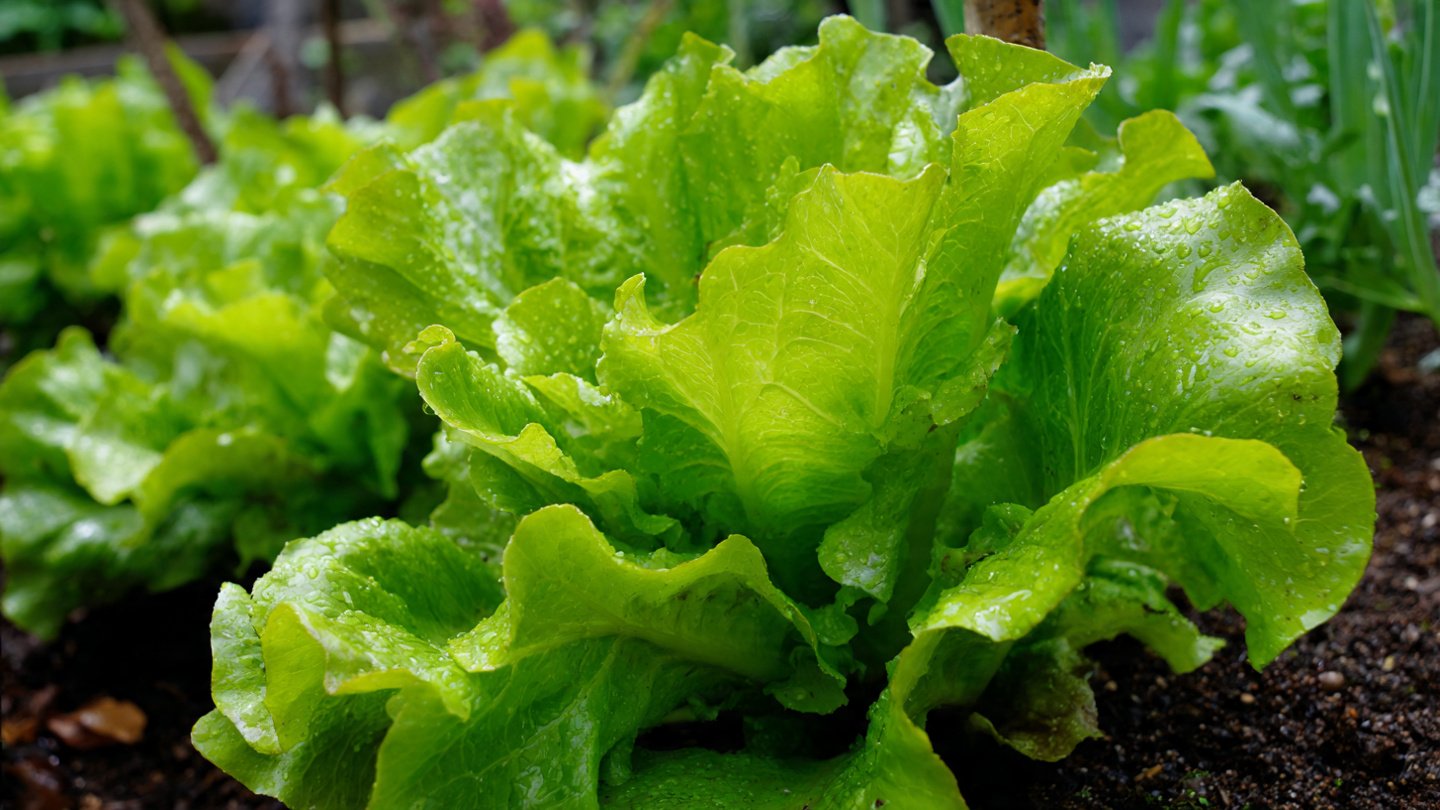
Growing your own vegetables can be incredibly rewarding, both for your health and the satisfaction of nurturing something from seed to harvest. One delightful green that should find a home in every garden is Oak Leaf Lettuce. With its frilly, lobed leaves and delicious flavor, Oak Leaf Lettuce is perfect for fresh salads. In this article, we will explore everything you need to know to successfully cultivate this tasty green in your home garden.
Understanding Oak Leaf Lettuce
What is Oak Leaf Lettuce?
Oak Leaf Lettuce is a loose-leaf variety recognized for its distinctive lobed edges that resemble the leaves of an oak tree. Its texture is tender and crispy, and the flavor is milder compared to other types of lettuce, making it ideal for salads, sandwiches, and garnishes. There are generally two color varieties: green and red, both providing visual appeal to your dishes.
Nutritional Benefits
One of the additional perks of Oak Leaf Lettuce is its nutritional profile. It is low in calories and high in fiber, providing a rich source of vitamins A, C, and K. Consuming Oak Leaf Lettuce supports a healthy diet, enhances eye health, and can even improve skin.
Preparing to Grow Oak Leaf Lettuce
Location and Sunlight
Oak Leaf Lettuce thrives best in a well-drained, nutrient-rich soil with a pH between 6.0 and 7.0. Choose a spot in your garden that receives full sun for at least 6-8 hours a day; however, this variety can tolerate partial shade, especially in hotter climates.
Soil Preparation
Improving your soil is crucial for a successful harvest. Start by tilling the soil to a depth of about 12 inches. Mix in organic compost or well-rotted manure to enhance soil structure and fertility. This will provide the necessary nutrients for the lettuce while ensuring proper drainage.
Latest Posts
- Easy Steps to Successfully Grow Bhindi in Grow Bags at Home
- Easy Steps to Grow a Healthy Guava Bonsai at Home for Beginners
- How to Successfully Grow and Cultivate White Strawberry Plants at Home for Delicious and Unique Fruits
- Ultimate Guide to Successfully Growing Weeping Fig Outdoors with Proven Techniques and Expert Tips
- How to Successfully Grow Flemish Beauty Pear Trees in Canada for Optimal Harvest
- Easy Hack to Grow Strawberries Year Round in Your Home Garden for Delicious Harvests
- Growing Flemish Beauty Pears in Canada A Complete Guide for Local Gardens
- The Ultimate Guide to Growing Hibiscus Plants Year Round for Vibrant Blooms and Healthy Foliage
- Easy Ways to Boost the Growth Rate of Your Indoor Peace Lily for Lush Green Foliage
- Discover the Simple Method for Growing Spineless Okra in Your Backyard
Supplies Needed
Before you begin planting, gather the following supplies:
- Oak Leaf Lettuce seeds or seedlings
- Seed-starting trays or small pots (if starting seeds indoors)
- Trowel or garden fork
- Watering can or hose
- Mulch (optional)
Planting Oak Leaf Lettuce
Starting Seeds Indoors
If you want to get a jump start on the growing season, you can start your Oak Leaf Lettuce indoors 4-6 weeks before the last frost date. Fill seed-starting trays with seed-starting mix, and sow seeds about 4-6 inches apart. Keep the trays in a warm location and ensure they receive ample light.
Transplanting Seedlings
Once seedlings have developed at least two true leaves and the outside temperatures remain above 45°F, you can start to transplant them outdoors. Be sure to harden off seedlings by gradually exposing them to outdoor conditions over the course of a week.
Direct Seeding Outdoors
If you prefer to plant directly in your garden bed, sow the seeds ¼ inch deep in rows spaced about 12 inches apart. Lightly cover with soil and water gently. It’s ideal to stagger plantings every couple of weeks to ensure a continuous harvest throughout the growing season.
Care for Oak Leaf Lettuce
Watering
Oak Leaf Lettuce requires consistent moisture. Water your plants at least once a week, but check the soil often. The top inch should be moist but not soggy. Overwatering can lead to root rot, while underwatering can cause the leaves to wilt.
Fertilization
Using a diluted liquid fertilizer every 2-3 weeks, starting when seedlings are established, can greatly benefit your oak lettuce. Organic options, such as fish emulsion or compost tea, are excellent choices. Always follow the manufacturer’s instructions, as over-fertilizing can harm your plants.
Weeding
Regularly check for weeds around your Oak Leaf Lettuce, as they compete for nutrients and moisture. Remove weeds by hand or use a hoe for larger infestations, ensuring you disturb the roots of the lettuce as little as possible.

Pest Control
Keep an eye out for common pests such as aphids, slugs, and caterpillars. Hand-picking pests off plants is effective for small infestations. For larger problems, consider using insecticidal soap or neem oil but always follow safety guidelines and opt for organic options when possible.
Harvesting Oak Leaf Lettuce
Timing
Oak Leaf Lettuce is usually mature and ready for harvest around 45-60 days after planting. You can start harvesting once the leaves are big enough to eat. Regularly harvesting the outer leaves encourages the plant to continue growing.
How to Harvest
Using clean garden scissors or shears, cut the leaves about an inch above the soil line. This method allows the inner leaves to continue developing, providing you with multiple harvests from each plant.
Storage
Freshly harvested Oak Leaf Lettuce can be stored in the refrigerator for up to one week. Wrap the leaves in a damp paper towel and place them in a perforated plastic bag or container to maintain moisture and prevent wilting.
Companion Planting
Companion planting can improve the growth and flavor of your Oak Leaf Lettuce. Consider planting onions, carrots, or radishes alongside your lettuce, as these plants tend to deter common pests and promote a healthy growing environment.
Seasonal Considerations
Cooling Down the Hot Season
In hotter climates or during the peak summer months, Oak Leaf Lettuce can bolt, which means it will start to flower and produce seeds. To prevent this, consider using shade cloth or planting your lettuce in a location with some afternoon shade.

Fall Planting
You can also grow Oak Leaf Lettuce in the fall. Sow seeds directly in late summer or early fall. In colder areas, consider using a cold frame or row cover to protect your lettuce from frost.
Common Problems and Solutions
Leaf Discoloration
Discolorations such as yellow or brown tips can arise from inconsistent watering. Ensure that you maintain a consistent moisture level.
Wilting Leaves
If the leaves are wilting, they may not be getting enough water. Check the soil moisture and adjust your watering habits accordingly.
Pests and Diseases
Keep an eye out for pests like aphids or diseases like powdery mildew. Monitor your plants regularly and take prompt action to manage these issues effectively.
Conclusion
Growing Oak Leaf Lettuce is an enjoyable process that yields fresh, flavorful greens perfect for your salads and sandwiches. With the right location, soil, care, and attention to detail, you can cultivate this nutritious vegetable in your home garden. Embrace the joy of gardening, and know that your homemade, fresh salads will always be just moments away!
Frequently Asked Questions (FAQs)
1. Is Oak Leaf Lettuce easy to grow?
Yes, Oak Leaf Lettuce is relatively easy to grow and makes a great choice for both novice and experienced gardeners.

2. How long does it take to harvest Oak Leaf Lettuce?
Oak Leaf Lettuce typically takes 45-60 days from planting to reach maturity for a full harvest.
3. Can I grow Oak Leaf Lettuce indoors?
Yes, you can grow Oak Leaf Lettuce indoors if you have enough sunlight or supplemental grow lights.
4. How often should I water it?
You should water your Oak Leaf Lettuce at least once a week, adjusting based on rainfall and temperature. The top inch of soil should be kept moist.
5. What is the best time of year to plant Oak Leaf Lettuce?
The best planting times are in early spring or in late summer for a fall harvest.
6. Can I eat the flowers of Oak Leaf Lettuce?
While the flowers are edible, they can be bitter and are generally not consumed. It’s best to harvest before the plant bolts.
By following these guidelines, you’ll be able to cultivate a thriving garden of Oak Leaf Lettuce, providing you with fresh, flavorful salads all season long!