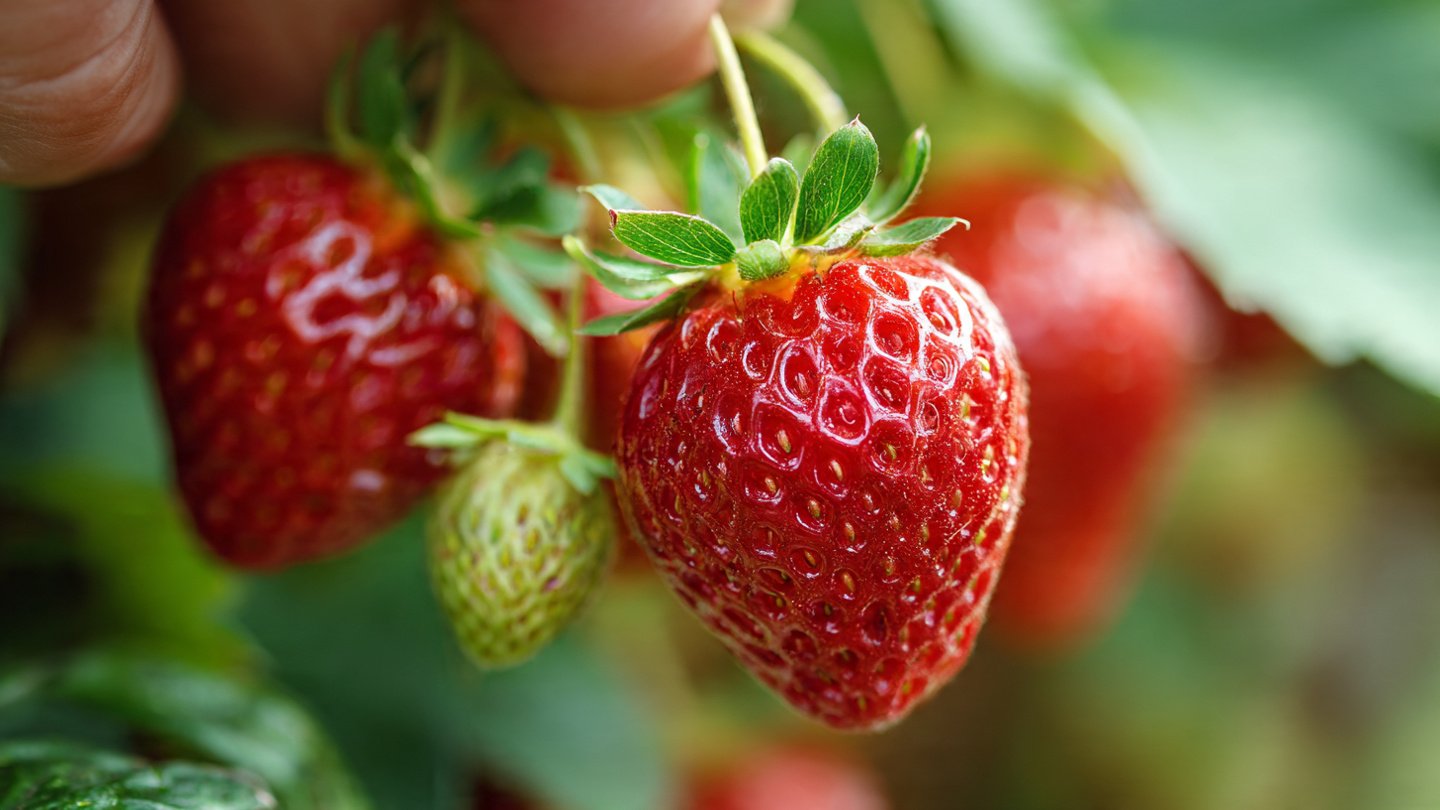
Growing strawberries can be one of the most rewarding experiences for any home gardener. Not only do strawberries taste delightful, but they can also be incredibly easy to grow with the right techniques. For many, the best part about cultivating strawberries is enjoying fresh, juicy berries right from the garden. But what if you could grow strawberries year-round? This article will provide you with an easy hack to ensure you have a continual supply of strawberries, no matter the season.
Understanding Strawberry Varieties
Before we delve into the method for year-round strawberry growing, it’s essential to understand strawberry varieties. Strawberries fall into three categories:
- June-bearing: These varieties produce a large harvest in late spring to early summer. They are great for jam, freezing, or indulging in fresh desserts.
- Ever-bearing: These produce fruit throughout the growing season. Ever-bearing strawberries allow for multiple harvests, typically in early summer and again in early fall.
- Day-neutral: These strawberries can produce fruit continuously, regardless of the day length. They thrive in temperatures between 35°F and 85°F (1°C and 29°C), making them excellent candidates for year-round growing.
For year-round cultivation, day-neutral strawberries are your best bet. They will yield fruit as long as conditions are favorable.
The Easy Hack: Container Gardening with Grow Lights
Step 1: Select the Right Containers
Using containers for growing strawberries allows for more control over soil quality, drainage, and sunlight exposure. For growing strawberries year-round indoors, choose:
- Material: Clay, plastic, or fiberglass containers – all are suitable as long as they have proper drainage holes.
- Size: A pot of at least 12 inches in diameter can accommodate a few strawberry plants, giving them enough room to grow.
Step 2: Choose Quality Soil
Strawberries thrive in well-draining soil rich in organic matter. A mix of:
Latest Posts
- Easy Steps to Successfully Grow Bhindi in Grow Bags at Home
- Easy Steps to Grow a Healthy Guava Bonsai at Home for Beginners
- How to Successfully Grow and Cultivate White Strawberry Plants at Home for Delicious and Unique Fruits
- Ultimate Guide to Successfully Growing Weeping Fig Outdoors with Proven Techniques and Expert Tips
- How to Successfully Grow Flemish Beauty Pear Trees in Canada for Optimal Harvest
- Growing Flemish Beauty Pears in Canada A Complete Guide for Local Gardens
- The Ultimate Guide to Growing Hibiscus Plants Year Round for Vibrant Blooms and Healthy Foliage
- Easy Ways to Boost the Growth Rate of Your Indoor Peace Lily for Lush Green Foliage
- How to Successfully Grow Oak Leaf Lettuce in Your Home Garden for Fresh and Flavorful Salads
- Discover the Simple Method for Growing Spineless Okra in Your Backyard

- Potting soil: Provides a solid base.
- Compost: Enriches the soil with nutrients.
- Perlite or vermiculite: Improves drainage and aeration.
Ensure your soil pH is slightly acidic, around 5.5 to 6.8. You can test the pH using a soil testing kit available at garden centers.
Step 3: Selecting Strawberry Plants
When purchasing your strawberry plants:
- Opt for certified disease-free plants to prevent issues down the line.
- Look for healthy green leaves and sturdy stems.
Popular day-neutral varieties to consider:
- Albion: Known for its large, firm berries and high yields.
- Seascape: Sweet and aromatic, it performs well in various climates.
Step 4: Provide Sufficient Light
For year-round indoor growing, sunlight is crucial. If your indoor space doesn’t receive adequate natural light (at least 6-8 hours a day), consider investing in grow lights.
- LED Grow Lights: They are energy-efficient and emit low heat, making them ideal for plants.
- Position lights 6-12 inches above the plants and keep them on for 12-14 hours a day.
Step 5: Temperature Control
Strawberries enjoy temperatures between 60°F to 80°F (15°C to 27°C). When growing indoors:

- Use a space heater or air conditioning to regulate the environment during extreme temperatures.
- Keep your grow area well-ventilated to maintain airflow around the plants.
Step 6: Watering and Fertilization
Strawberries prefer consistent moisture, but it’s vital not to overwater.
- Watering: Water your plants when the top inch of soil feels dry. Aim for deep watering rather than frequent shallow watering to encourage healthy root growth.
- Fertilization: Use a balanced, water-soluble fertilizer every four to six weeks during the growing season. Dilute it to half-strength to avoid over-fertilizing.
Step 7: Pollination
If growing indoors, you may need to assist in pollination. Use a soft paintbrush to transfer pollen from flower to flower gently. This is especially important for day-neutral varieties that rely on pollination for fruit production.
Step 8: Pest and Disease Management
Even with indoor gardening, pests like spider mites and aphids can become a problem. Use:
- Neem Oil: This organic pesticide can deter pests without harming your plants. Spray it on the foliage regularly.
Also, watch for diseases like powdery mildew or root rot:
- Ensure adequate airflow around plants.
- Avoid overcrowding and remove any diseased foliage immediately.
Step 9: Harvesting
One of the biggest rewards of growing strawberries is the harvest.

- Strawberries are usually ready to pick when they are fully red.
- Gently twist or cut the stem above the berry.
Enjoy your homegrown strawberries fresh, or use them in desserts, jams, and salads.
Additional Tips for Success
- Rotate Crops: If growing strawberries year-round, change the planting location each year to avoid soil-borne diseases.
- Consider Companion Planting: Nasturtiums can help repel pests while attracting beneficial insects like pollinators to your garden.
- Mulch: Use straw or wood chips in your containers to maintain soil moisture and keep roots cool.
Benefits of Year-Round Strawberry Growing
- Constant Fresh Produce: Having strawberries in your home garden year-round means you’re less reliant on store-bought fruit.
- Health Benefits: Strawberries are rich in vitamin C, antioxidants, and fiber, making them a superfood.
- Cost-Effective: Growing your own strawberries can save money, especially if you frequently purchase them from the store.
- Sustainability: By growing organic strawberries at home, you reduce the carbon footprint associated with transportation and packaging.
FAQs
1. Can I grow strawberries indoors year-round?
Yes, with the right lighting, temperature, and care, you can grow strawberries indoors year-round.
2. What’s the best strawberry variety for indoor gardening?
Day-neutral varieties like Albion and Seascape are ideal for indoor gardening, as they produce fruit continuously.
3. How often should I water my strawberry plants?
Water your strawberry plants when the top inch of soil is dry. They prefer consistent moisture but dislike standing water.
4. Do I need to pollinate strawberries indoors?
Yes, you may need to assist in pollination by gently transferring pollen between flowers with a soft paintbrush, especially if growing day-neutral varieties indoors.

5. How do I know when to harvest my strawberries?
Strawberries are ready to harvest when they are fully red. Pick them by twisting or cutting the stem above the berry.
6. What pests should I watch for when growing strawberries indoors?
Common pests include spider mites and aphids. Using neem oil can help deter these pests without harming your plants.
7. How can I prevent diseases in my strawberry plants?
To prevent diseases, ensure good airflow around your plants, avoid overcrowding, and promptly remove any diseased foliage.
By following this easy hack and implementing these steps, you can enjoy delicious, homegrown strawberries all year round. Happy gardening!