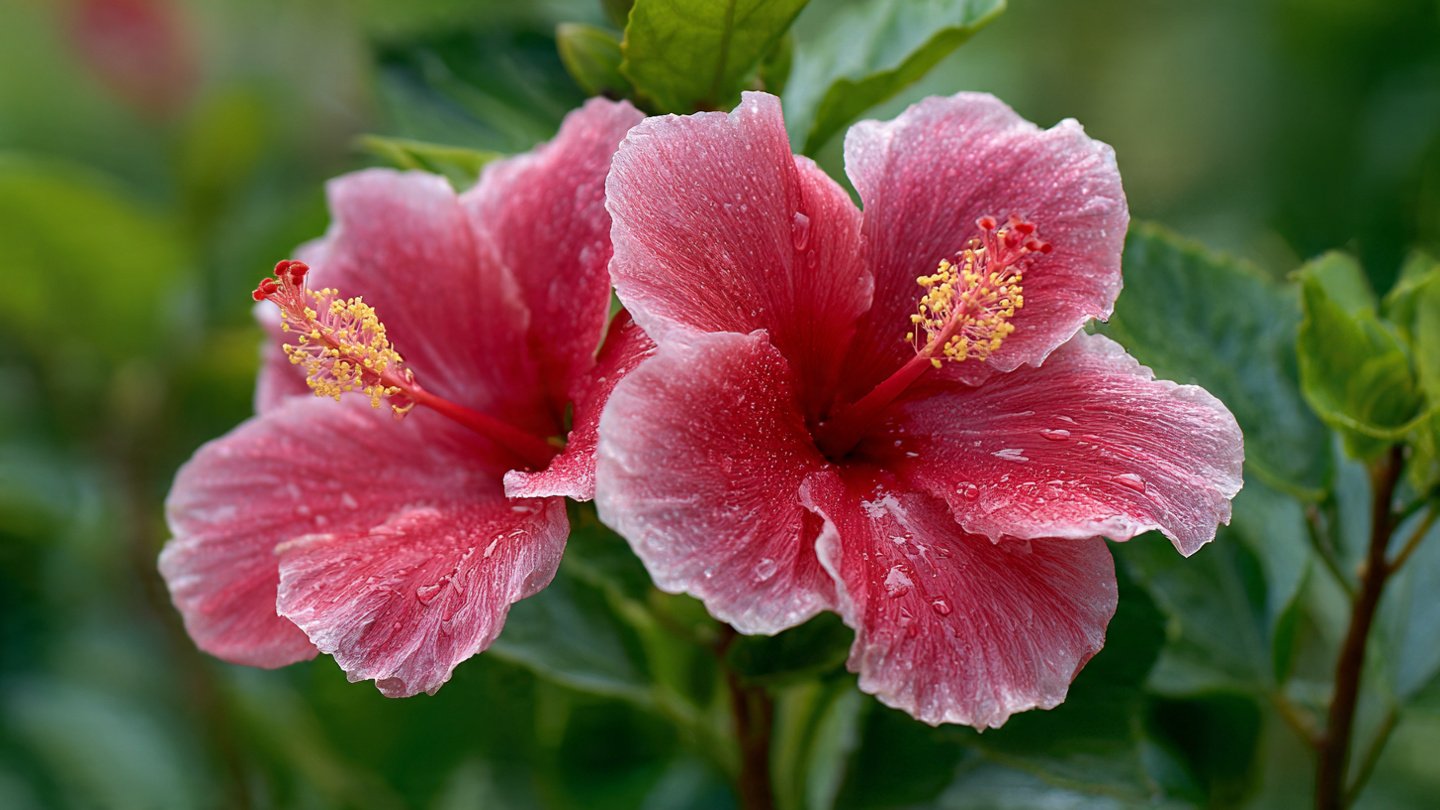
Hibiscus plants are show-stopping additions to any garden or indoor space, known for their large, colorful flowers and lush green foliage. When cared for properly, these plants can thrive year-round, offering vibrant blooms and healthy foliage that can brighten any environment. This ultimate guide will provide you with everything you need to know about growing hibiscus plants, from selecting the right varieties to essential care tips and troubleshooting common issues.
Understanding Hibiscus
Hibiscus is a genus that includes many species, some of which are suited for tropical or subtropical climates, while others can be grown in temperate regions. The most popular types of hibiscus include:
Latest Posts
- Easy Steps to Successfully Grow Bhindi in Grow Bags at Home
- Easy Steps to Grow a Healthy Guava Bonsai at Home for Beginners
- How to Successfully Grow and Cultivate White Strawberry Plants at Home for Delicious and Unique Fruits
- Ultimate Guide to Successfully Growing Weeping Fig Outdoors with Proven Techniques and Expert Tips
- How to Successfully Grow Flemish Beauty Pear Trees in Canada for Optimal Harvest
- Easy Hack to Grow Strawberries Year Round in Your Home Garden for Delicious Harvests
- Growing Flemish Beauty Pears in Canada A Complete Guide for Local Gardens
- Easy Ways to Boost the Growth Rate of Your Indoor Peace Lily for Lush Green Foliage
- How to Successfully Grow Oak Leaf Lettuce in Your Home Garden for Fresh and Flavorful Salads
- Discover the Simple Method for Growing Spineless Okra in Your Backyard
- Hibiscus rosa-sinensis: Also known as Chinese hibiscus, this species is widely cultivated for its large, showy flowers.
- Hibiscus syriacus: Commonly called Rose of Sharon, this deciduous shrub produces flowers in various colors and can tolerate colder climates.
- Hibiscus sabdariffa: Known as roselle, this plant is grown for its edible calyx, used to make herbal teas, jams, and sauces.
Choosing the Right Varieties
When selecting hibiscus plants, consider your climate and personal aesthetic preferences. Tropical hibiscus generally requires warmer conditions, while hardy varieties can survive in cooler temperatures. Before purchasing, check local garden centers or online nurseries for varieties that thrive in your area.
Considerations for Selection:
- Climate: Determine whether you need a tropical or hardy hibiscus.
- Growth Habit: Decide on bushy types for hedges or single-stem varieties for focus pieces.
- Flower Color: Hibiscus flowers come in various shades, including red, pink, yellow, orange, and white.
Planting Hibiscus
1. Selecting the Right Location
Hibiscus plants thrive in full sun, needing at least 6 to 8 hours of direct sunlight daily. Choose a location that offers well-draining soil to prevent waterlogging and root rot.
2. Soil Requirements
Hibiscus plants prefer slightly acidic to neutral soil with a pH of 6.0 to 7.0. A mix of garden soil, compost, and perlite or peat moss works well. This combination ensures aeration and moisture retention while providing essential nutrients.
3. Planting Steps
- Prepare the Site: Clear the area of weeds and debris.
- Dig a Hole: Make a hole twice the width of the plant’s root ball and the same depth.
- Position the Plant: Place the hibiscus in the hole, ensuring the top of the root ball is level with or slightly above the soil surface.
- Backfill: Fill the hole with soil, firming it gently around the roots.
- Water Thoroughly: Ensure the plant is hydrated during and after planting.
Caring for Hibiscus Year-Round
1. Watering
Hibiscus plants require consistent moisture, especially during blooming seasons. Water deeply once a week, allowing the top inch of soil to dry out between waterings. During hotter months, you may need to increase the frequency.
2. Fertilizing
Balanced fertilizer is key to promoting vibrant blooms and lush foliage. Use a slow-release fertilizer or organic options like compost or well-rotted manure. Fertilize every 4 to 6 weeks during the growing season (spring and summer) using a formula high in phosphorus to encourage blooming.
3. Pruning
Pruning is essential for shaping the plant and promoting bushy growth. The best time to prune hibiscus is in late winter or early spring before new growth begins. Remove any dead or diseased branches and shape the bush to maintain desired dimensions.
4. Pest and Disease Management
Hibiscus plants can attract pests such as aphids, spider mites, and whiteflies. Regularly inspect your plants and use insecticidal soap or neem oil as needed. Fungal diseases can arise if the leaves remain wet for extended periods. Ensure good air circulation and avoid overhead watering.
5. Winter Care
In colder climates, hibiscus may need protection during winter months. If your plant is in a container, bring it indoors or a sheltered area, such as a garage or basement, where temperatures are stable. For garden-planted varieties, apply a thick layer of mulch around the base to insulate the roots.

Indoor Hibiscus Care
Growing hibiscus indoors requires specific considerations:
- Lighting: Place your hibiscus near a bright, north-facing window or under grow lights for optimal growth.
- Humidity: Indoor air can be dry, especially in winter. Increase humidity using a pebble tray or humidity dome.
- Repotting: Indoor hibiscus may need repotting every couple of years to refresh the soil and provide growth space.
Common Challenges
1. Lack of Blooms
If your hibiscus isn’t flowering, it could be due to inadequate sunlight, insufficient water, or excessive nitrogen. Adjust your care routine by ensuring it receives plenty of sun and nutrients.
2. Yellowing Leaves
Yellow leaves can indicate overwatering, underwatering, or nutrient deficiencies. Check your watering schedule and consider applying a balanced fertilizer if needed.
3. Wilting
Wilting can be a sign of either too much or too little water. Assess your watering approach and the soil drainage to find a balance.
4. Pest Infestations
Early detection of pests like aphids or spider mites is crucial. Regularly inspect your plants and treat infestations promptly to prevent spread.
Conclusion
With the right care and attention, hibiscus plants can thrive year-round, bringing joy with their vibrant blooms and lush foliage. Whether you choose to grow them indoors or outdoors, understanding their specific needs will help ensure a flourishing display throughout the seasons.
FAQs
1. How often should I water my hibiscus?
Water once a week, ensuring the top inch of soil dries out between waterings. Increase frequency in hot weather.
2. Can hibiscus be grown indoors?
Yes, hibiscus can thrive indoors with adequate light, humidity, and watering. Place them near a sunny window or under grow lights.
3. What type of fertilizer is best for hibiscus?
A balanced fertilizer or one high in phosphorus is ideal. Fertilize every 4 to 6 weeks during the growing season.
4. How can I prevent pests on my hibiscus?
Regularly inspect your plants, maintain good air circulation, and use insecticidal soap or neem oil if pests are detected.
5. What do I do if my hibiscus isn’t blooming?
Ensure it receives enough sunlight (at least 6-8 hours daily), check for watering issues, and adjust fertilizer use if necessary.
6. When is the best time to prune hibiscus?
Prune in late winter or early spring, before new growth begins, to shape the plant and remove any dead or diseased branches.
7. Is hibiscus cold hardy?
Some hibiscus varieties, like Hibiscus syriacus (Rose of Sharon), are cold hardy, while tropical varieties may need protection from frost.
By following this guide, you’ll be well-equipped to enjoy the beauty of hibiscus plants throughout the year. Happy gardening!