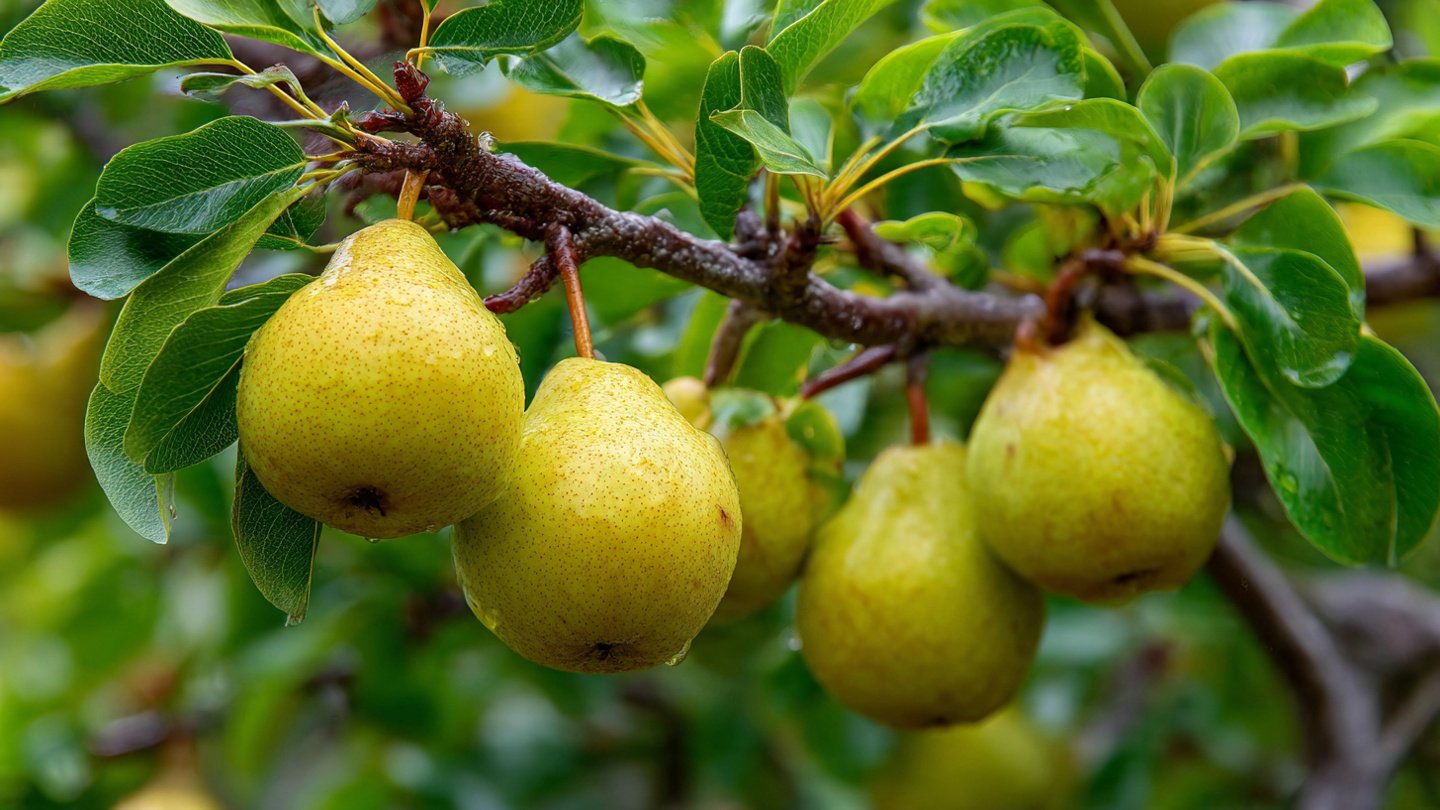
Flemish Beauty pears, known for their sweet, juicy flavor and beautiful appearance, are becoming a favorite among Canadian gardeners. This complete guide will walk you through the entire process of growing Flemish Beauty pears in Canada, from selection and planting to care, maintenance, and harvesting.
Understanding Flemish Beauty Pears
History and Characteristics
Latest Posts
- Easy Steps to Successfully Grow Bhindi in Grow Bags at Home
- Easy Steps to Grow a Healthy Guava Bonsai at Home for Beginners
- How to Successfully Grow and Cultivate White Strawberry Plants at Home for Delicious and Unique Fruits
- Ultimate Guide to Successfully Growing Weeping Fig Outdoors with Proven Techniques and Expert Tips
- How to Successfully Grow Flemish Beauty Pear Trees in Canada for Optimal Harvest
- Easy Hack to Grow Strawberries Year Round in Your Home Garden for Delicious Harvests
- The Ultimate Guide to Growing Hibiscus Plants Year Round for Vibrant Blooms and Healthy Foliage
- Easy Ways to Boost the Growth Rate of Your Indoor Peace Lily for Lush Green Foliage
- How to Successfully Grow Oak Leaf Lettuce in Your Home Garden for Fresh and Flavorful Salads
- Discover the Simple Method for Growing Spineless Okra in Your Backyard
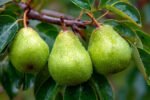
Flemish Beauty is a historical cultivar that originated in Belgium. These pears are prized not only for their excellent taste but also for their attractive shape and vibrant coloration, often ranging from yellow to red. The varieties are cherished for their ability to thrive in cooler climates, making them well-suited to Canada.
Appearance and Flavor
The fruits typically reach maturity in late summer to early autumn, offering an exceptionally sweet and fragrant flesh. The rich flavor makes them a favorite for fresh eating, canning, and baking.
Hardiness Zone
Flemish Beauty pears are generally hardy in USDA Zones 4 to 8. This makes them an ideal choice for much of southern Canada. However, you should always check localized hardiness ratings to confirm suitability for your specific region.
Choosing the Right Site
Soil Requirements
Flemish Beauty pears thrive in well-draining soil that is rich in organic matter. Ideally, the soil pH should range between 6.0 and 6.8. Test your soil using a home testing kit to ensure it falls within this range. If necessary, amend the soil with compost or well-rotted manure to enhance its nutrient content and drainage.
Sunlight
Select a planting site that receives full sunlight (at least 6-8 hours a day). This exposure helps the tree produce an abundance of fruit and ensures healthy growth.
Space Considerations
Allow enough space for the pears to spread out. Semi-dwarf varieties may require 12-15 feet of space, while standard varieties will need up to 20-25 feet between trees.
Planting Flemish Beauty Pears
When to Plant
The best time to plant Flemish Beauty pears is in the early spring or late fall, when the trees are dormant. This ensures minimal shock and allows consistent moisture levels until they establish themselves.
How to Plant
- Prepare the Site: Clear the area of any weeds, grass, or debris.
- Dig the Hole: Create a hole that is twice as wide as the root ball and just deep enough to accommodate it without bending the roots.
- Add Organic Matter: Mix compost or well-rotted manure into the soil you removed from the hole.
- Place the Tree: Set the tree in the hole, ensuring the graft union (the swollen area where the tree was grafted onto rootstock) is slightly above soil level.
- Fill and Water: Backfill the hole with the amended soil, water it thoroughly, and mulch around the base to retain moisture.
Caring for Flemish Beauty Pears
Watering
Young Flemish Beauty pear trees require regular watering, especially in the first two years. Provide deep watering (about 2-3 inches) every week, but reduce this frequency during rainy periods. Mature trees require less frequent watering, but ensure they stay hydrated during dry spells.
Fertilization
Apply a balanced fertilizer (like a 10-10-10 NPK mix) in early spring. Avoid over-fertilizing as it can lead to excessive leaf growth at the expense of fruit production.
Pruning
Regular pruning promotes healthy growth and optimal fruit production:
- Initial Pruning: In the first few years, focus on establishing a strong central leader and remove any cross-branching.
- Annual Pruning: After the tree reaches a good form, prune annually in late winter or early spring to maintain shape and remove dead or diseased wood.
Pest and Disease Management
Flemish Beauty pears can be susceptible to various pests and diseases. Common issues include:
- Pear Psylla: These insects feed on leaves and can cause stunted growth. Control them with insecticidal soap or neem oil.
- Fire Blight: This bacterial infection can severely damage pear trees. Promote good air circulation and remove affected branches promptly.
- Coddling Moth: These pests can ruin the fruit. Use pheromone traps or insecticide sprays in late spring.
Pollination
Flemish Beauty pears are not self-pollinating. Plant another pear variety nearby, such as Bartlett or Bosc, for cross-pollination and optimal fruit set.
Harvesting
When to Harvest
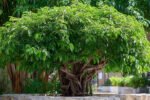
Flemish Beauty pears are generally ready for harvest in late summer to early autumn (September to October). To determine ripeness, gently press the fruit; if it yields slightly, it’s ready for picking.
How to Harvest
Use care when picking to avoid bruising the fruit. Twist the pear gently while holding it, and it should come off the branch easily. After harvesting, store them in a cool, dark place for a few days to allow them to ripen fully.
Common Challenges
Climate Variability
Given Canada’s diverse climate, fluctuations can affect the growth of Flemish Beauty pears. Protect young trees from frost by covering them or using frost cloth during late spring frosts.
Soil Drainage Issues
Poor drainage can cause root rot and other ailments. If your soil retains water, consider planting your trees in raised beds or using drainage tiles.
FAQs
1. Can I grow Flemish Beauty pears in a container?
Yes, these trees can be grown in large containers. Ensure the pot has good drainage and provide regular watering and fertilization.
2. How long does it take for Flemish Beauty pears to bear fruit?
Typically, Flemish Beauty pear trees will begin to produce fruit in about 4 to 6 years after planting.
3. What are suitable companion plants for Flemish Beauty pears?
Good companion plants include flowering plants that attract pollinators, such as chamomile and borage, as well as herbs like lavender which can deter pests.
4. How do I know if my pears are ripe and ready to eat?
Ripe pears will yield slightly when gently pressed. They should also have a rich fragrance and a slight change in color, depending on the specific cultivar.
5. Do Flemish Beauty pears require significant pruning?
Regular annual pruning helps maintain the tree’s shape and health. Focus on removing dead or diseased branches and ensuring good airflow through the tree.
Conclusion
Growing Flemish Beauty pears in Canada is a rewarding experience that can yield delicious results. With proper care, your pear trees will provide you with bountiful harvests for years to come. From selecting the right site and planting to managing pests and harvesting, this guide equips you with the knowledge you need to thrive as a local gardener. Happy growing!