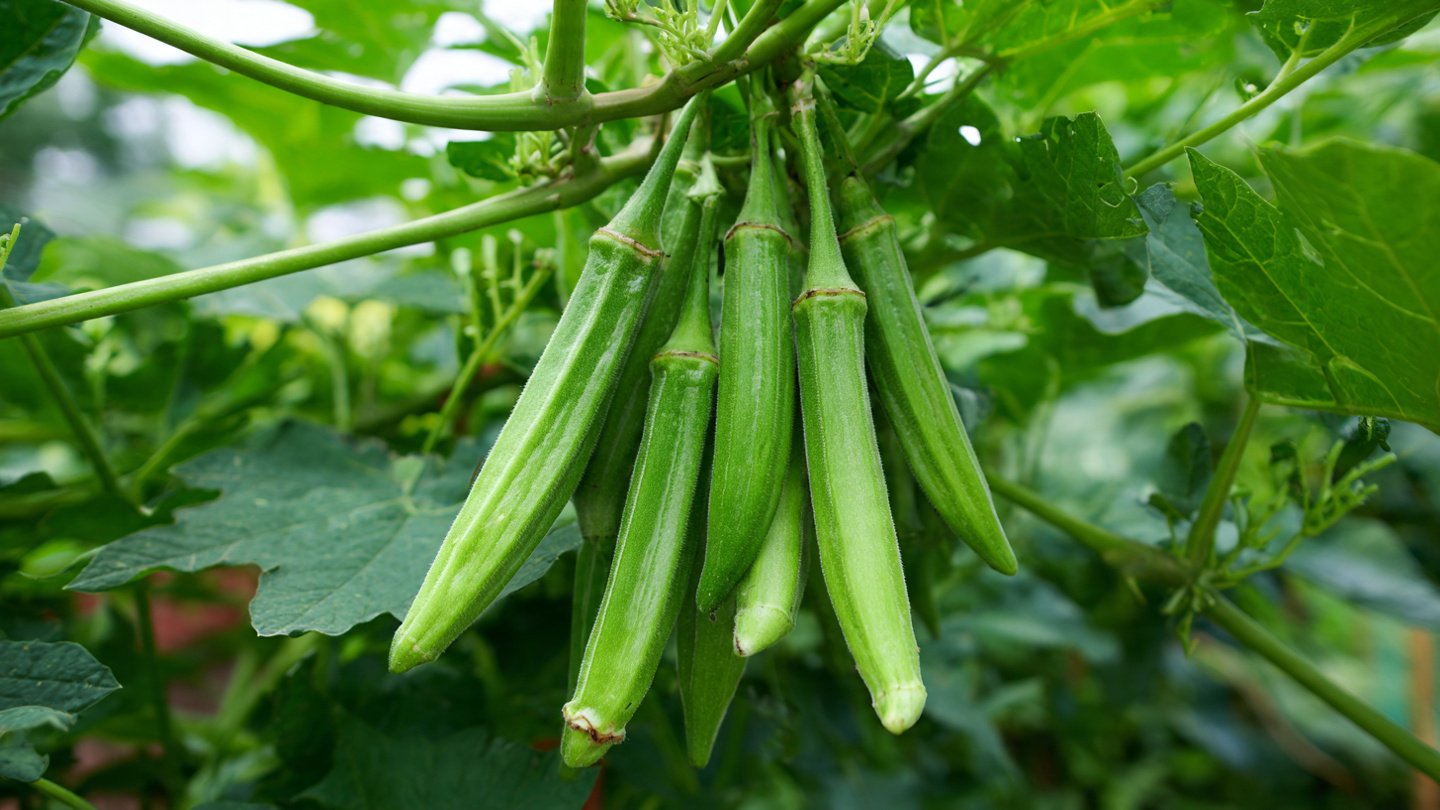
Okra, commonly known as bhindi, is a popular vegetable in many households worldwide. With its unique flavor and nutritional value, growing bhindi at home can save you money and ensure you have access to fresh produce. Using grow bags for this purpose is not only space-efficient but also enables you to control the growing conditions easily. This article will guide you through the simple steps to successfully cultivate bhindi in grow bags at home.
Why Grow Bhindi in Grow Bags?
Space Efficiency
Grow bags are ideal for home gardening, especially in urban areas with limited space. They can easily fit onto balconies, patios, or rooftops.
Drainage
Grow bags provide excellent drainage, which is essential for the healthy growth of bhindi as it doesn’t tolerate waterlogged soil well.
Soil Quality Control
Using grow bags allows you to control the soil quality, ensuring a nutrient-rich environment for your plants.

Mobility
Grow bags are lightweight and portable. You can reposition them to maximize sunlight exposure or protect them from harsh weather.
Latest Posts
- Easy Steps to Grow a Healthy Guava Bonsai at Home for Beginners
- How to Successfully Grow and Cultivate White Strawberry Plants at Home for Delicious and Unique Fruits
- Ultimate Guide to Successfully Growing Weeping Fig Outdoors with Proven Techniques and Expert Tips
- How to Successfully Grow Flemish Beauty Pear Trees in Canada for Optimal Harvest
- Easy Hack to Grow Strawberries Year Round in Your Home Garden for Delicious Harvests
- Growing Flemish Beauty Pears in Canada A Complete Guide for Local Gardens
- The Ultimate Guide to Growing Hibiscus Plants Year Round for Vibrant Blooms and Healthy Foliage
- Easy Ways to Boost the Growth Rate of Your Indoor Peace Lily for Lush Green Foliage
- How to Successfully Grow Oak Leaf Lettuce in Your Home Garden for Fresh and Flavorful Salads
- Discover the Simple Method for Growing Spineless Okra in Your Backyard
What You’ll Need
Materials
- Grow Bags: Choose medium-sized bags (about 5-10 gallons) for optimal growth.
- Potting Mix: A blend that contains peat moss, vermiculite, and compost works well.
- Seeds: Select high-quality bhindi seeds from a reliable source.
- Watering Can: For controlled watering.
- Fertilizer: Organic fertilizers like bone meal or compost tea.
- Labeling Tags: To keep track of various planting dates or varieties.
Tools
- Gardening gloves
- Trowel
- Scissors
- Spray bottle
Step-by-Step Guide to Growing Bhindi in Grow Bags
Step 1: Selecting the Right Variety
Before starting, choose a bhindi variety that suits your climate. There are many varieties available, including:
- Clemson Spineless: Known for its smooth texture.
- Emerald: High-yield and disease-resistant.
- Lady Finger: A smaller variety favored in many cuisines.
Step 2: Preparing the Grow Bags
- Fill the Bags: Use a potting mix to fill the grow bags, leaving about 1-2 inches of space at the top.
- Moisten the Soil: Water the soil until it is damp but not soggy. This helps in eliminating air pockets.
Step 3: Sowing the Seeds
- Planting Depth: Sow the seeds about 1 inch deep into the soil.
- Spacing: Space the seeds 12-18 inches apart if you’re growing multiple plants in one bag.
- Cover and Pat Down: Cover the seeds with soil and gently pat it down to ensure good seed-to-soil contact.
Step 4: Watering the Seeds
After planting the seeds, water them thoroughly. Use a watering can with a fine spout to avoid displacing the seeds. Keep the soil consistently moist with regular watering, especially during dry spells.
Step 5: Providing Proper Lighting
Bhindi thrives in full sunlight, requiring at least 6-8 hours of direct sunlight daily. Position your grow bags in a location where they can receive adequate sunlight. If necessary, consider using grow lights during cloudy days or in winter.

Step 6: Fertilizing for Growth
After the seedlings grow to about 4-6 inches tall, apply a balanced organic fertilizer. Be cautious not to over-fertilize, as this can lead to excessive foliage growth at the expense of fruit production. Fertilize every 4-6 weeks during the growing season.
Step 7: Watering Regimen
Bhindi prefers slightly moist soil but dislikes soggy conditions. Water the plants when the top inch of soil feels dry. This will encourage deep rooting, which is essential for healthy growth.
Step 8: Pest and Disease Management
Regularly inspect the bhindi plants for common pests like aphids, spider mites, and whiteflies. Use organic insecticides or neem oil to treat infestations.
In terms of diseases, look out for powdery mildew or leaf spots and ensure good air circulation around the plants.
Step 9: Harvesting
Bhindi is typically ready to harvest in 50-60 days from sowing. Harvest the pods when they are young (around 2-3 inches in length) and tender. Use scissors to cut the pods from the plant, avoiding any damage to the stem.

Step 10: Replanting and Crop Rotation
After you finish harvesting, consider replanting or rotating your crops. Bhindi will benefit from a new batch of seeds each season and can be followed by plants that can naturally help with soil nutrient replenishment.
Maintenance Tips
- Mulching: Add a layer of organic mulch to help retain moisture and suppress weeds.
- Weeding: Regularly check for and remove any weeds that may compete for nutrients.
- Staking: If the plants become tall, consider using stakes to support them.
Frequently Asked Questions (FAQs)
1. How many bhindi plants can I grow in one grow bag?
You can grow 2-3 bhindi plants in a 5-10 gallon grow bag, spaced appropriately.
2. What is the best time to plant bhindi?
In most regions, the best time to plant bhindi is during the warmer months, typically spring to early summer, as it thrives in warm weather.
3. How often should I water bhindi plants?
Water the plants when the top inch of soil feels dry. Depending on the weather, this could be once or twice a week.

4. Can bhindi be grown indoors?
Yes, bhindi can be grown indoors if you provide adequate light and warmth. Grow lights can help simulate sunlight.
5. What are common problems when growing bhindi?
Common problems include pests, poor drainage, and nutrient deficiencies. Regular monitoring and proper care can mitigate these issues.
6. Is bhindi susceptible to any particular diseases?
Yes, bhindi can be affected by powdery mildew and root rot. Ensuring proper spacing and air circulation, as well as good watering practices, can help prevent these diseases.
7. How can I improve the yield of bhindi plants?
Improving soil health through compost, ensuring adequate sunlight, and timely harvesting of the pods will enhance the yield.

8. Are there companion plants that benefit bhindi?
Yes, planting marigolds, basil, and nasturtiums nearby can help deter pests and improve growth.
Conclusion
Growing bhindi in grow bags at home is a rewarding endeavor that not only provides fresh produce but also promotes sustainable gardening practices. By following these simple steps and incorporating the maintenance tips, you can enjoy a bountiful harvest. With a little patience and care, you will soon find yourself reaping the fruits of your labor and enhancing your culinary adventures with homegrown bhindi!