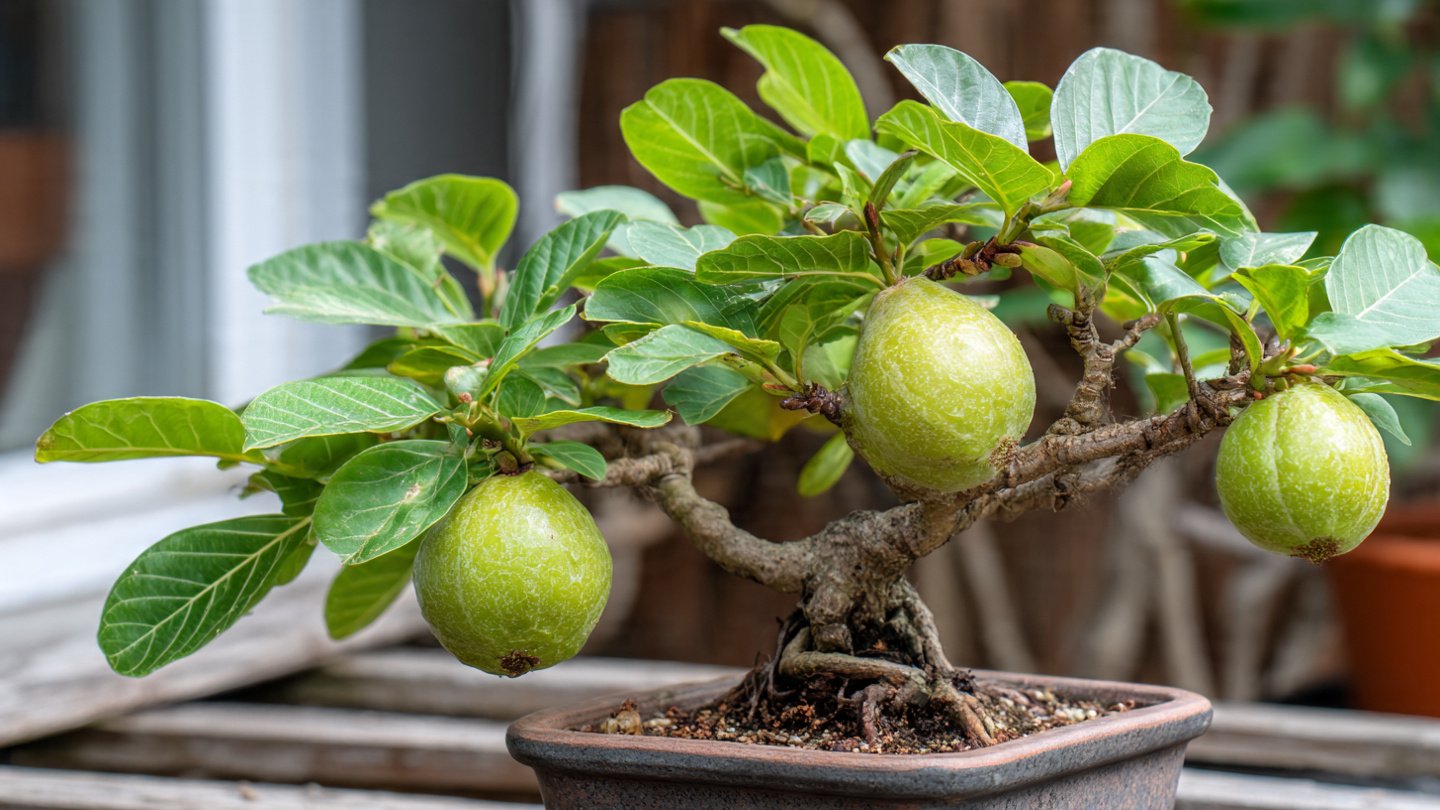
Growing a guava bonsai can be a rewarding experience for both novice and seasoned gardeners. This tropical fruit tree not only adds aesthetic value to your space but also has the added benefit of producing delicious fruits. In this guide, we will explore the easy steps to grow a healthy guava bonsai at home, perfect for beginners.
Understanding Guava Bonsai
What is a Guava Bonsai?
Latest Posts
- Easy Steps to Successfully Grow Bhindi in Grow Bags at Home
- How to Successfully Grow and Cultivate White Strawberry Plants at Home for Delicious and Unique Fruits
- Ultimate Guide to Successfully Growing Weeping Fig Outdoors with Proven Techniques and Expert Tips
- How to Successfully Grow Flemish Beauty Pear Trees in Canada for Optimal Harvest
- Easy Hack to Grow Strawberries Year Round in Your Home Garden for Delicious Harvests
- Growing Flemish Beauty Pears in Canada A Complete Guide for Local Gardens
- The Ultimate Guide to Growing Hibiscus Plants Year Round for Vibrant Blooms and Healthy Foliage
- Easy Ways to Boost the Growth Rate of Your Indoor Peace Lily for Lush Green Foliage
- How to Successfully Grow Oak Leaf Lettuce in Your Home Garden for Fresh and Flavorful Salads
- Discover the Simple Method for Growing Spineless Okra in Your Backyard
A guava bonsai is a miniature version of the guava tree (Psidium guajava) that has been carefully cultivated to maintain its small size while still exhibiting the characteristics of a full-sized tree. These trees are known for their lush green leaves, beautiful white flowers, and sweet, aromatic fruit.
Why Choose Guava for Bonsai?
- Adaptability: Guava trees are well-suited for bonsai cultivation due to their adaptability to various climates.
- Aesthetics: Their glossy leaves and beautiful flowers make them visually appealing.
- Fruit Production: You can enjoy homegrown guavas straight from your bonsai.
Steps to Grow Your Guava Bonsai
1. Choose the Right Seeds or Saplings
Seeds: If you choose to start your guava bonsai from seeds, select healthy seeds from ripe guavas.
Saplings: Alternatively, you can purchase young guava saplings from a nursery. Look for one that has a strong and healthy growth pattern.
2. Gather Necessary Supplies
Before starting, gather the following materials:
- Bonsai pot (with drainage holes)
- Well-draining soil (a mix of potting soil and sand works well)
- Fertilizer (low-nitrogen, balanced fertilizer)
- Watering can or spray bottle
- Pruning shears
- Wire for training branches (optional)
3. Planting the Guava Bonsai
Choosing a Pot: Select a shallow bonsai pot that allows for adequate drainage. The pot size should correlate with the size of the sapling or the seeds.
Soil Mixture: Mix potting soil with sand to ensure proper drainage. The soil should retain enough moisture but drain freely to prevent root rot.
Planting:
- For seeds, sow them about 1-inch deep in the soil.
- For saplings, gently remove the sapling from its nursery pot and place it in the bonsai pot.
4. Watering Your Guava Bonsai
Water is crucial in the early stages of growth:
- Frequency: Water thoroughly but do not let the soil become soggy. A good rule of thumb is to check the topsoil; if it’s dry to the touch, it’s time to water.
- Method: Use a watering can with a fine spout to deliver water gently to avoid displacing the soil.
5. Providing Adequate Lighting
Guava bonsai thrives in bright, indirect sunlight:
- Indoor Placement: If you are growing it indoors, place it near a south-facing window where it can receive ample light.
- Outdoor Placement: If grown outside, ensure it gets at least 6-8 hours of sun daily but avoid excessive direct sunlight, especially during the hotter parts of the day.
6. Fertilizing Your Bonsai
Fertilizing is essential for healthy growth.
- Frequency: Fertilize every 4-6 weeks during the growing season (spring and summer). You can reduce the frequency during the fall and winter when the tree is dormant.
- Type: Use a balanced, water-soluble fertilizer designed for bonsai or fruit trees.
7. Pruning and Shaping Your Guava Bonsai
Pruning helps in maintaining the desired shape and promotes healthy growth:
- When to Prune: The best time to prune is during the growing season. Avoid heavy pruning in winter.
- How to Prune: Use clean pruning shears to trim unwanted branches, focusing on maintaining a balanced shape.
8. Wiring for Shape
Wiring is a common technique used in bonsai to guide and shape branches:
- When to Wire: You can wire branches during the growing season.
- How to Wire: Wrap soft aluminum wire around the branches, bending them gently into the desired shape. Be careful not to damage the bark.
9. Repotting Your Bonsai
As your guava bonsai grows, it will eventually need to be repotted to provide fresh soil and more space for growth:
- When to Repot: Repot every 2-3 years or when you notice growth slowing down.
- How to Repot: Remove the tree from its pot and gently prune the roots if they appear overcrowded. Place it in fresh soil and a larger pot if necessary.
10. Pests and Diseases Management
Keeping your guava bonsai healthy includes monitoring for pests and diseases:
- Common Pests: Watch for aphids, mealybugs, and spider mites. You can use neem oil or insecticidal soap to manage infestations.
- Diseases: Fungal infections can occur; ensure proper air circulation and avoid overwatering to minimize risks.
11. Harvesting
Once your guava bonsai is mature enough (usually after three years), it will start producing fruit:
- Signs of Ripeness: Look for a change in color and a gentle softness when ripe. Harvest carefully to avoid damaging the branches.
Frequently Asked Questions (FAQs)
Q1: How long does it take for a guava bonsai to bear fruit?
A: It generally takes about 3-4 years for a guava bonsai to begin producing fruit, depending on the growing conditions and care.
Q2: Can guava bonsai be grown indoors?
A: Yes, guava bonsai can be grown indoors. Ensure it receives enough bright, indirect light and is not exposed to cold drafts.
Q3: What kind of soil is best for a guava bonsai?
A: Well-draining soil is ideal. A mixture of potting soil with sand or perlite works well to ensure good drainage.
Q4: How often should I water my guava bonsai?
A: Water your guava bonsai when the top inch of soil feels dry. Typically, this may be every few days in summer and less often in winter.
Q5: Do I need to fertilize my guava bonsai?
A: Yes, fertilizing every 4-6 weeks during the growing season is beneficial for healthy growth. Use a balanced, water-soluble fertilizer.
Q6: Can I shape my guava bonsai?
A: Absolutely! Regular pruning and wiring can help you shape your guava bonsai. Just ensure to do this gently to avoid damaging the tree.
Q7: What pests should I look out for?
A: Common pests include aphids and spider mites. Regularly check your bonsai for signs of these pests and treat them promptly with appropriate measures.
Q8: Is it necessary to repot my guava bonsai?
A: Yes, repotting is necessary every 2-3 years to refresh the soil and provide adequate space for root growth.
Conclusion
Growing a guava bonsai can be a fulfilling and enjoyable endeavor for beginners. By following these easy steps, you can cultivate a healthy bonsai that not only beautifies your space but also provides delicious fruits. With proper care, patience, and a touch of creativity, your guava bonsai will thrive, bringing joy and satisfaction for years to come. Start your bonsai journey today and revel in the beauty of this tropical gem!