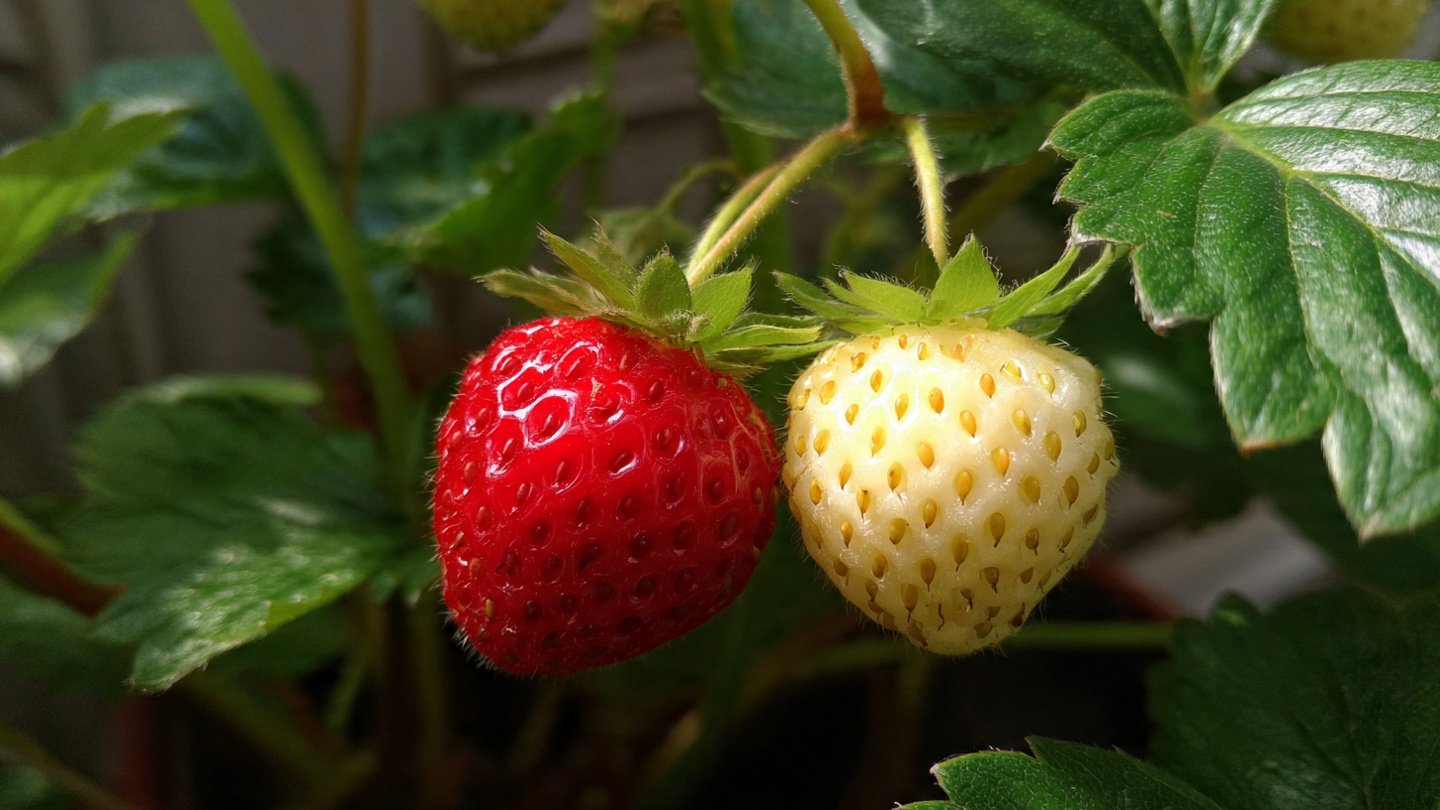
Strawberries are a beloved fruit enjoyed around the world, but have you ever considered cultivating the unique white strawberry? Known for their sweet flavor and striking appearance, white strawberries, particularly the varieties like “Pineberry,” are a delightful addition to any home garden. This guide will help you learn how to successfully grow and cultivate white strawberry plants, ensuring you enjoy these delicious fruits right from your backyard.
1. Understanding White Strawberries
White strawberries are an intriguing alternative to the traditional red variety. They possess a distinctive pale hue due to low levels of anthocyanins, the pigment responsible for the red color in most strawberries. Despite the unconventional appearance, their taste is often described as sweet and aromatic, reminiscent of pineapple, hence the name “Pineberry.”
Latest Posts
- Easy Steps to Successfully Grow Bhindi in Grow Bags at Home
- Easy Steps to Grow a Healthy Guava Bonsai at Home for Beginners
- Ultimate Guide to Successfully Growing Weeping Fig Outdoors with Proven Techniques and Expert Tips
- How to Successfully Grow Flemish Beauty Pear Trees in Canada for Optimal Harvest
- Easy Hack to Grow Strawberries Year Round in Your Home Garden for Delicious Harvests
- Growing Flemish Beauty Pears in Canada A Complete Guide for Local Gardens
- The Ultimate Guide to Growing Hibiscus Plants Year Round for Vibrant Blooms and Healthy Foliage
- Easy Ways to Boost the Growth Rate of Your Indoor Peace Lily for Lush Green Foliage
- How to Successfully Grow Oak Leaf Lettuce in Your Home Garden for Fresh and Flavorful Salads
- Discover the Simple Method for Growing Spineless Okra in Your Backyard
Varieties of White Strawberries
- Pineberry: This is the most popular white strawberry variety. It’s known for its exceptional sweetness and unique flavor profile.
- White Dazzle: A more recent variety, this strawberry is both aesthetically pleasing and flavorful, producing large, sweet fruits.
- Alba: This is an early-bearing variety, known for its good flavor and hardy nature.
2. Choosing the Right Location
Selecting the right location is crucial for the successful growth of white strawberry plants. Consider the following factors:
Sunlight
White strawberries thrive in full sun, requiring at least 6-8 hours of direct sunlight each day. Choose a location in your garden that offers ample light but also has some protection from harsh afternoon sun, especially in hotter climates.
Soil Requirements

Strawberries prefer well-drained, sandy loam soil with a slightly acidic pH ranging from 5.5 to 6.8. Before planting, conduct a soil test to determine pH and nutrient levels.
Drainage
Good drainage is vital to prevent root rot. If you have heavy clay soil, consider adding organic matter like compost or peat moss to improve drainage.
3. Preparing the Soil
Once you’ve chosen the right location, it’s time to prepare the soil. Here’s how to do it effectively:
- Clear the Area: Remove weeds, rocks, and debris from the planting area.
- Loosen the Soil: Use a garden fork or tiller to loosen the top 12 inches of soil.
- Amend the Soil: Mix in organic compost or well-rotted manure to enrich the soil with nutrients.
- Test pH: If necessary, amend the soil to adjust pH. You can lower pH with sulfur and raise it with lime.
4. Planting White Strawberry Plants
When to Plant
The best time to plant white strawberries is in early spring after the last frost date. In some climates, fall planting is also successful.
Planting Technique

- Spacing: Space plants about 12 to 18 inches apart in rows that are approximately 3 feet apart.
- Planting Depth: Plant the strawberry crown (where the roots meet the stem) at soil level. Avoid burying it too deep, as this can cause rot.
- Watering: Water thoroughly after planting to settle the soil around the roots.
5. Caring for White Strawberry Plants
Watering
Strawberries require consistent moisture, especially during flowering and fruiting. Water the plants deeply but infrequently, aiming for about 1-2 inches of water per week, adjusting for rainfall.
Fertilizing
Limit fertilizer use to the growing season. A balanced, slow-release fertilizer applied in early spring is generally sufficient. Follow the manufacturer’s instructions for application rates.
Mulching
Apply a layer of mulch (straw or pine needles) around the plants. Mulch helps maintain soil moisture, suppress weeds, and keeps the fruit clean.
Pruning and Maintenance
Regular maintenance is key:
- Remove Flowers: In the first year, consider pinching off flowers to encourage root development.
- Deadheading: Remove any dead or diseased leaves to promote healthy growth.
- Weeding: Keep the planting area free of weeds that can compete for nutrients and water.

6. Preventing Pests and Diseases
Common Pests
- Slugs and Snails: These can damage young leaves and fruits. Use barriers or traps to control their populations.
- Spider Mites: These tiny pests can cause leaf discoloration. Keep foliage moist to reduce their numbers.
Common Diseases
- Powdery Mildew: Ensure good air circulation around plants and avoid overhead watering to reduce humidity.
- Gray Mold: Ripe fruit is particularly susceptible. Harvest regularly and avoid leaving damaged fruit on the plant.
7. Harvesting White Strawberries
White strawberries are ready to harvest when they turn a yellowish-white and give a little with gentle pressure. Unlike red strawberries, the fruit may not show visible color changes when ripe. Harvest them gently with a short stem to prevent damage.
Storage
Freshly picked white strawberries can be stored in the refrigerator for up to a week. For longer storage, consider freezing them. Before freezing, wash and hull the strawberries, then spread them on a baking sheet to freeze individually. Afterward, transfer them to airtight containers or freezer bags.

8. Enjoying Your White Strawberries
The unique taste and appearance of white strawberries make them an appealing option for various culinary delights:
- Fresh Eating: Enjoy them straight from the garden, perfect for snacking.
- Salads: Add them to fruit or green salads for a splash of color.
- Desserts: Use them in cakes, tarts, or as a garnish for desserts.
- Drinks: Blend them into smoothies or use them in cocktails for a refreshing beverage.
FAQs
Q1: Can white strawberries thrive in pots?
Yes, white strawberries can be successfully grown in pots. Ensure the container has good drainage and is at least 12 inches deep.
Q2: How long does it take for white strawberries to produce fruit?
Typically, white strawberry plants can yield fruit about 4-6 weeks after flowering, depending on the variety and growing conditions.
Q3: Do white strawberries need to be pollinated?
While strawberries are self-pollinating, planting multiple varieties can enhance fruit set, leading to larger and more plentiful harvests.

Q4: What are the best fertilization practices for white strawberries?
A balanced fertilizer applied in early spring is ideal. Avoid excessive nitrogen, which may result in more foliage than fruit.
Q5: Are white strawberries more difficult to grow than red strawberries?
No, white strawberries generally require the same care and conditions as red strawberries. With proper attention, they can flourish just as well.
Q6: Can I grow white strawberries indoors?
Yes, with adequate light and climate control, white strawberries can be grown indoors. Use grow lights if natural light is insufficient.
Q7: How can I encourage more fruit production?
Pinching off the first set of flowers can help the plants focus energy on rooting, ultimately leading to better yields in subsequent seasons.
By following these steps and taking care of your white strawberry plants, you can enjoy a unique and delightful fruit that stands out in flavor and appearance. With a bit of nurturing, these stunning strawberries will reward you with delicious fruits, perfect for tantalizing desserts, fresh salads, or simply enjoying on their own. Happy gardening!