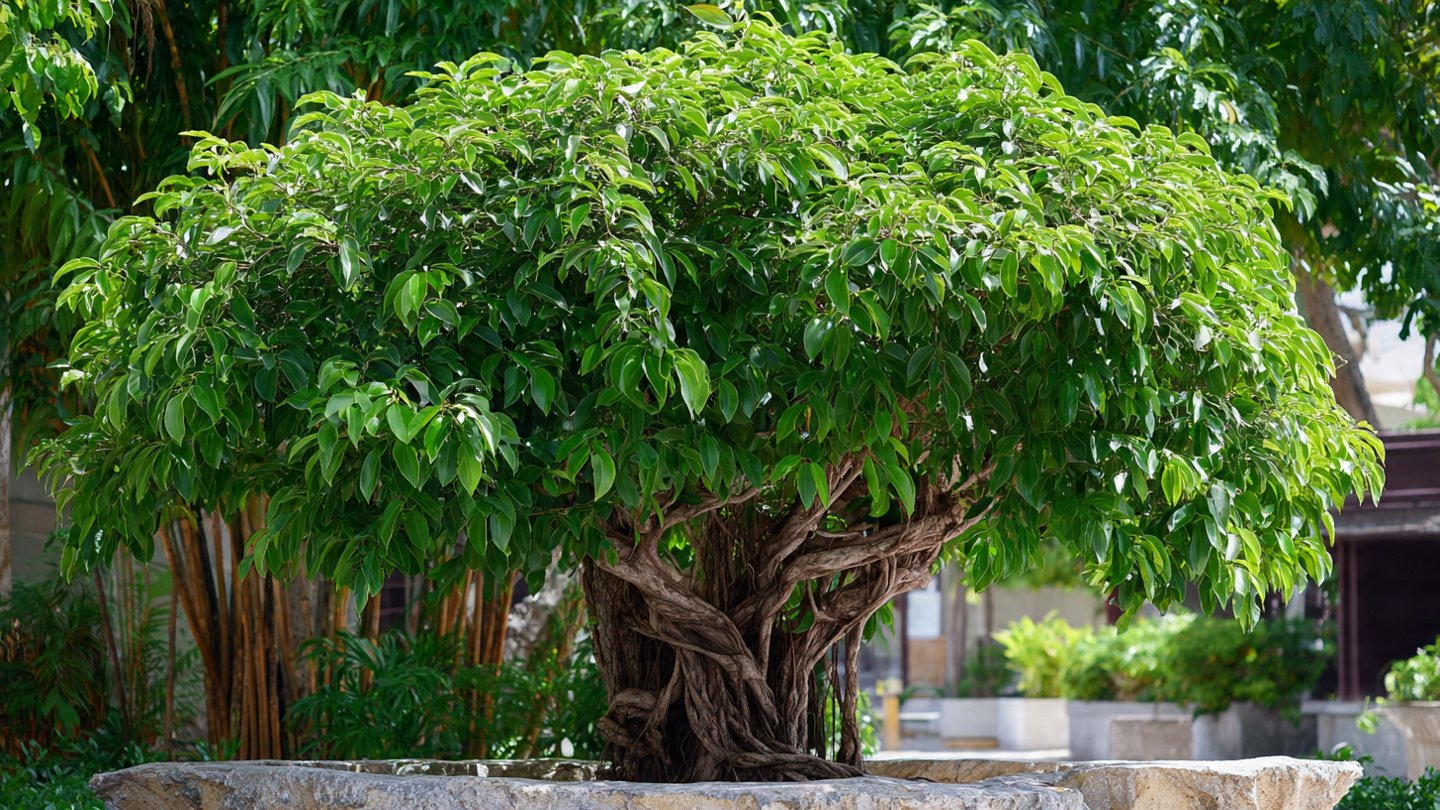
The Weeping Fig (Ficus benjamina), also known as the Benjamin Fig or Ficus tree, is a popular ornamental tree. Known for its graceful, drooping branches and lush, green leaves, the Weeping Fig can enhance outdoor spaces, adding elegance and charm. While it is commonly grown indoors, with the right care and conditions, this versatile tree can flourish outdoors as well. In this ultimate guide, we will explore proven techniques and expert tips to ensure your Weeping Fig thrives outside.
Understanding the Weeping Fig
Physical Characteristics
The Weeping Fig can grow up to 50 feet tall in ideal conditions, although most outdoor specimens are pruned to remain smaller. Its glossy leaves are dense and create a lush canopy, perfect for providing shade. The leaves can vary in color from deep green to lighter shades, depending on the variety.
Ideal Growth Conditions
- Climate: The Weeping Fig is native to tropical and subtropical regions. It thrives in USDA hardiness zones 10-12. If you live in cooler areas, consider container gardening so that you can bring the tree indoors during winter.
- Soil: A well-draining soil mix with a pH level between 6.0 and 7.0 is ideal. Amend the soil with organic matter to encourage healthy growth.
- Light: Weeping Figs prefer a location with bright, indirect sunlight but can also tolerate partial shade. Direct sunlight can scorch the leaves, so it is essential to find a balance.
- Humidity: Being a tropical plant, Weeping Figs flourish in high humidity. If you live in a drier climate, consider misting the foliage or placing a humidity tray nearby.
Planting Techniques
Selecting the Right Location
Choose a location with partial shade to avoid sunburn and ensure adequate space for growth. Avoid areas with strong winds as they may break the delicate branches.
Preparing the Soil
Before planting, test your soil to evaluate its pH and nutrient content. Amend the soil as necessary to ensure good drainage. You can do this by mixing in organic materials like compost or peat moss.
Planting Procedure
- Dig the Hole: Create a hole twice the width and the same depth as the root ball of the Weeping Fig.
- Placement: Remove the tree from its container and gently tease apart any circling roots. Place the tree in the center of the hole and fill it back with soil.
- Water Thoroughly: After planting, water thoroughly to eliminate air pockets and help the roots settle.
Mulching
Applying a layer of mulch around the base of the tree can help retain moisture, suppress weeds, and add organic matter to the soil as it breaks down. Use materials like shredded bark or wood chips, but keep the mulch away from the trunk to prevent rot.
Latest Posts
- Easy Steps to Successfully Grow Bhindi in Grow Bags at Home
- Easy Steps to Grow a Healthy Guava Bonsai at Home for Beginners
- How to Successfully Grow and Cultivate White Strawberry Plants at Home for Delicious and Unique Fruits
- How to Successfully Grow Flemish Beauty Pear Trees in Canada for Optimal Harvest
- Easy Hack to Grow Strawberries Year Round in Your Home Garden for Delicious Harvests
- Growing Flemish Beauty Pears in Canada A Complete Guide for Local Gardens
- The Ultimate Guide to Growing Hibiscus Plants Year Round for Vibrant Blooms and Healthy Foliage
- Easy Ways to Boost the Growth Rate of Your Indoor Peace Lily for Lush Green Foliage
- How to Successfully Grow Oak Leaf Lettuce in Your Home Garden for Fresh and Flavorful Salads
- Discover the Simple Method for Growing Spineless Okra in Your Backyard
Watering Techniques
Consistent Moisture
The Weeping Fig prefers consistently moist soil but should not be overwatered. The top few inches of the soil should dry out between watering sessions. A good rule of thumb is to check the moisture level every few days, especially in hot weather.
Seasonal Adjustments
During the growing season (spring to summer), the tree will require more water. As the weather cools in the fall, reduce the frequency of watering. In winter, watering should be minimal, especially in colder climates.
Fertilizing Techniques
Timing
Fertilize your Weeping Fig during the growing season to provide nutrients. Use a balanced, slow-release fertilizer to promote healthy growth.
Recommended Types
Choose a fertilizer with an NPK (Nitrogen-Phosphorus-Potassium) ratio suitable for trees, such as 10-10-10. Apply it in spring and again in mid-summer.
Application
Follow the instructions on the fertilizer package for the appropriate amount. Over-fertilizing can lead to salt buildup and root burn, so always start with a conservative amount.
Pruning and Maintenance
When to Prune
Prune your Weeping Fig in the late winter or early spring, just before the growing season begins. This will encourage new growth and help maintain its shape.
Pruning Techniques
- Shape the Tree: Focus on maintaining an attractive silhouette by cutting back excessively long branches.
- Remove Dead or Diseased Wood: Look for branches that appear unhealthy or have died and remove them to promote overall health.
- Thin the Canopy: If the canopy becomes too dense, thin it out to allow better air circulation and light penetration.
Pest and Disease Management
While the Weeping Fig is generally resilient, it may encounter pests like spider mites, mealybugs, and scale insects. Monitor the tree regularly for signs of infestations.

- Insecticidal Soap: Treat minor infestations with insecticidal soap or neem oil, following the manufacturer’s instructions.
- Fungal Issues: Ensure proper drainage to prevent root rot and fungal infections. If you notice any signs of disease, promptly remove affected parts.
Seasonal Care
Spring
- Fertilize the tree.
- Begin a regular watering schedule as the weather warms up.
- Prune as needed to shape the tree and encourage healthy growth.
Summer
- Monitor for pests and diseases regularly.
- Increase watering as temperatures rise.
- Ensure adequate humidity, especially in dry climates.
Fall
- Begin reducing watering as temperatures drop.
- Fertilize with a balanced fertilizer one last time before winter.
Winter
- Protect young trees from frost with a mulch layer.
- If you live in a cooler climate, consider wrapping the trunk with burlap for added insulation.
- Reduce watering significantly, allowing the soil to dry out between sessions.
Frequently Asked Questions (FAQs)
1. Can Weeping Figs tolerate cold temperatures?
Weeping Figs prefer warmer climates and are best suited for USDA zones 10-12. In colder areas, consider growing them in pots that can be brought indoors during winter.
2. How often should I water my Weeping Fig?
Water your Weeping Fig regularly, allowing the top few inches of soil to dry between waterings. During the growing season, you may need to water more frequently.
3. Why are the leaves of my Weeping Fig turning yellow?
Yellow leaves can indicate overwatering, poor drainage, or nutritional deficiencies. Check the soil moisture level and consider fertilizing if necessary.
4. Is it easy to propagate Weeping Figs?
Yes! Weeping Figs can be propagated using stem cuttings. Take cuttings in spring or early summer, ensure they are healthy, and plant them in well-draining soil.
5. Can I grow a Weeping Fig in a container?
Absolutely! Growing a Weeping Fig in a container allows for mobility and protection during colder months. Ensure the pot has sufficient drainage and is large enough to allow for growth.
6. What pests should I be aware of when growing Weeping Figs?
Common pests include spider mites, mealybugs, and scale insects. Regularly inspect your tree for signs of infestations and treat accordingly.
7. How can I increase humidity for my Weeping Fig?
To increase humidity, consider misting the foliage, using a humidity tray, or placing a humidifier in the vicinity during dry months.
Conclusion
With the right conditions and care, your Weeping Fig can thrive outdoors, adding beauty and elegance to your garden. Remember that patience and attention to detail are key when cultivating any plant. By following these proven techniques and expert tips, you will be well on your way to successfully growing a Weeping Fig that not only survives but also flourishes in your outdoor space. Happy gardening!