Easy Ways to Boost the Growth Rate of Your Indoor Peace Lily for Lush Green Foliage
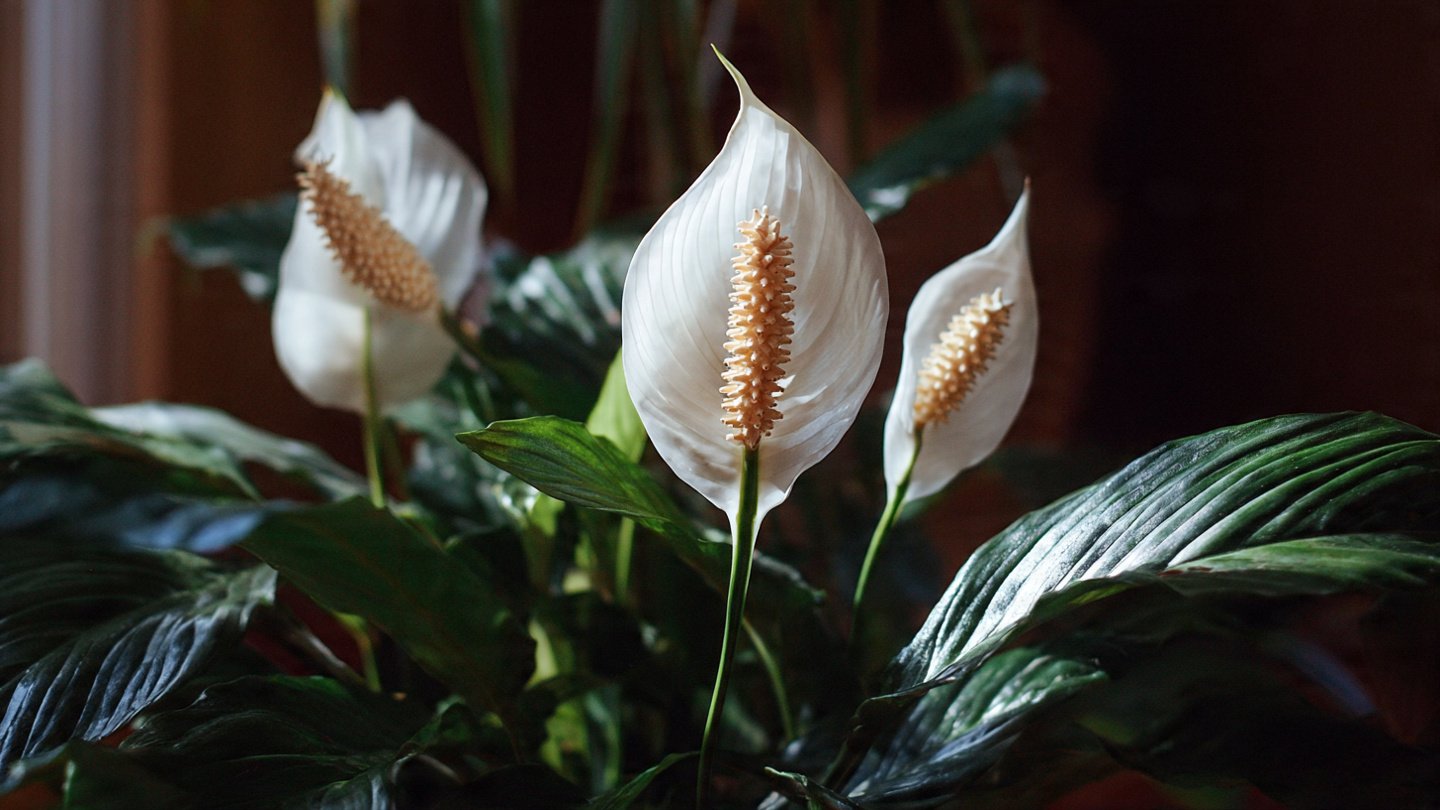
The Peace Lily, or Spathiphyllum, is a popular houseplant known for its stunning white blooms and lush green foliage. Native to tropical regions, this beautiful plant is not only aesthetically pleasing but also helps purify indoor air. If you want to encourage your Peace Lily to grow robustly, there are several easy and accessible strategies you can implement. In this article, we’ll explore essential care tips, suitable growing conditions, expert tricks, and common FAQs that will help you cultivate a thriving Peace Lily.
1. Understand Your Peace Lily’s Needs
1.1 Light Requirements
Latest Posts
- Easy Steps to Successfully Grow Bhindi in Grow Bags at Home
- Easy Steps to Grow a Healthy Guava Bonsai at Home for Beginners
- How to Successfully Grow and Cultivate White Strawberry Plants at Home for Delicious and Unique Fruits
- Ultimate Guide to Successfully Growing Weeping Fig Outdoors with Proven Techniques and Expert Tips
- How to Successfully Grow Flemish Beauty Pear Trees in Canada for Optimal Harvest
- Easy Hack to Grow Strawberries Year Round in Your Home Garden for Delicious Harvests
- Growing Flemish Beauty Pears in Canada A Complete Guide for Local Gardens
- The Ultimate Guide to Growing Hibiscus Plants Year Round for Vibrant Blooms and Healthy Foliage
- How to Successfully Grow Oak Leaf Lettuce in Your Home Garden for Fresh and Flavorful Salads
- Discover the Simple Method for Growing Spineless Okra in Your Backyard
Peace Lilies thrive in bright, indirect sunlight. They can tolerate low light conditions, but their growth may be stunted and flowering less frequent. Ideally, place your plant near a window with filtered light or in a well-lit room without direct sun exposure. Too much direct sunlight can scorch the leaves, leading to brown tips or faded coloration.
1.2 Watering Needs
Watering is critical for Peace Lilies. They prefer consistently moist soil but not soggy conditions. Water your plant when the top inch of the soil feels dry to the touch. Overwatering can lead to root rot, while underwatering will cause wilting. Be sure to use well-draining potting soil to enhance drainage.
2. Proper Potting and Soil
2.1 Choosing the Right Pot
Select a pot with drainage holes to prevent standing water. Pots made from materials like terracotta allow for better air circulation and moisture evaporation. As a general rule, you should opt for a pot that is 1-2 inches larger in diameter than the current pot to encourage healthy root growth.

2.2 Soil Selection
Utilize a well-draining potting mix that retains moisture but allows for excess water to escape. A good mix might include potting soil combined with perlite, peat moss, or orchid bark to improve drainage and aeration. Avoid heavy soils that might suffocate the roots.
3. Optimizing Fertilization
3.1 Nutrient Needs
Peace Lilies don’t require frequent fertilization, but providing them with essential nutrients can enhance growth rates. Use a balanced, water-soluble fertilizer with an N-P-K ratio close to 20-20-20. Fertilize every 6-8 weeks during the growing season (spring and summer). Reduce or eliminate fertilization in the fall and winter.
3.2 Organic Options
If you prefer organic options, consider using fish emulsion or seaweed extract as a gentle fertilizer. These can provide essential nutrients without the risk of chemical build-up in the soil.
4. Climate Control
4.1 Temperature
Peace Lilies prefer warm temperatures between 65°F to 85°F (18°C to 29°C). Avoid exposing them to drafts from windows, doors, or air conditioning vents. An ideal growing environment mimics the humid, tropical conditions of their native habitat.

4.2 Humidity
Inadequate humidity can stunt growth and cause leaf browning. Use a humidity tray filled with water and pebbles, or group your Peace Lily with other plants to create a microenvironment. Alternatively, you can mist the leaves regularly with water or use a humidifier to maintain humidity levels above 40%.
5. Regular Pruning and Maintenance
5.1 Leaf Care
Regularly inspect your Peace Lily for yellowing or damaged leaves. Prune them off to promote healthier growth and improve overall aesthetics. Clean the leaves with a damp cloth to remove dust and improve photosynthesis efficiency.
5.2 Lifecycle Care
Observe your Peace Lily’s flowering cycle. Once the flowers fade, it’s beneficial to cut the stem at the base. This encourages the plant to focus its energy on developing more blooms rather than maintaining dying flowers.
6. Strategic Repotting
6.1 When to Repot
Repot your Peace Lily every 1-2 years, preferably in early spring. Signs that your plant needs repotting include roots growing out of the drainage hole or a general slowdown in growth. Repotting allows for fresh soil, more space for roots to expand, and reduces the chances of soil compaction.

6.2 How to Repot
Carefully remove the plant from its current pot, gently loosening any tightly bound roots. Place it in a new pot filled with fresh, well-draining soil. Ensure the top of the root ball is just below the rim of the pot to allow for adequate watering.
7. Pest Control
7.1 Common Pests
Peace Lilies can attract pests such as spider mites, aphids, and mealybugs. Regularly inspect your plant and take action at the first sign of an infestation. Neem oil or insecticidal soap works well for treatment.
7.2 Prevention Strategies
Maintain optimal humidity and air circulation to deter pests. Quarantine any new plants before introducing them to your collection to prevent cross-contamination.
8. Encouraging Blooms
While the main focus is on lush green foliage, encouraging your Peace Lily to bloom enhances its beauty. To promote flowering:
- Lighting: Ensure it receives indirect sunlight for longer periods.
- Fertilization: Use a high-phosphorus fertilizer during the growing season.
- Stress: Sometimes, a slight stress (like slightly underwatering) can trigger blooms.

FAQs
Q1: Why are my Peace Lily leaves turning yellow?
A: Yellowing leaves can result from overwatering, poor drainage, or lack of nutrients. Ensure you’re following proper watering guidelines and check the soil for compaction.
Q2: How often should I water my Peace Lily?
A: Water your Peace Lily when the top inch of soil is dry. This typically means watering every 1-2 weeks, but it can vary depending on humidity and temperature.
Q3: What should I do if my Peace Lily is wilting?
A: Wilting can indicate underwatering. Check the soil moisture and water if necessary. If the soil feels soggy, it can be a sign of overwatering, in which case reduce watering frequency.
Q4: Can Peace Lilies survive in low light?

A: Yes, Peace Lilies can tolerate low light, but their growth rate may decrease, and they may not bloom as frequently. For best results, provide bright, indirect light.
Q5: Is the Peace Lily toxic to pets?
A: Yes, Peace Lilies are toxic to cats and dogs if ingested. It’s essential to keep them out of reach of pets or choose non-toxic houseplants if you have animals.
Q6: How can I tell if my Peace Lily needs to be repotted?
A: Signs include roots growing out of the drainage holes, slowed growth, or a general sense that the plant seems “root-bound.” Repotting will allow for more room to grow.
Conclusion
There you have it! By paying attention to light, water, soil, temperature, and nutrient needs, you can easily boost the growth rate of your indoor Peace Lily, resulting in lush green foliage and beautiful blooms. With proper care, your Peace Lily can flourish and beautify your indoor space for years to come. Enjoy the tranquility and charm this remarkable plant brings into your home!