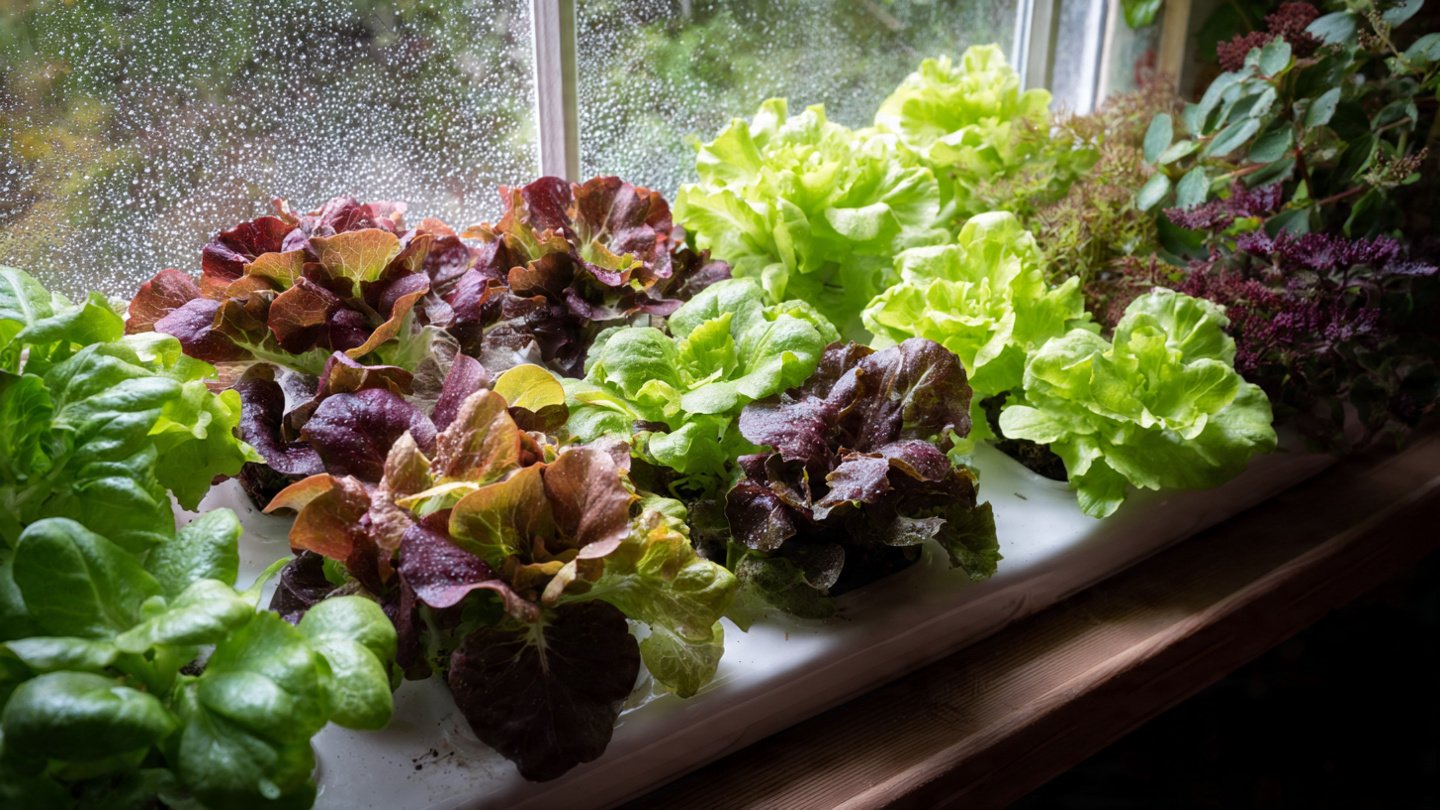
Growing your own mixed salad greens can be a rewarding activity, especially for those with limited outdoor space. Whether you live in an apartment, have a small balcony, or want to utilize your kitchen windowsill, cultivating these greens doesn’t have to be complicated. In this article, we’ll explore easy hacks to grow mixed salad greens virtually anywhere, ensuring you enjoy fresh produce without the hassle.
Benefits of Growing Salad Greens
1. Freshness and Flavor
Latest Posts
- Easy Steps to Successfully Grow Bhindi in Grow Bags at Home
- Easy Steps to Grow a Healthy Guava Bonsai at Home for Beginners
- How to Successfully Grow and Cultivate White Strawberry Plants at Home for Delicious and Unique Fruits
- Ultimate Guide to Successfully Growing Weeping Fig Outdoors with Proven Techniques and Expert Tips
- How to Successfully Grow Flemish Beauty Pear Trees in Canada for Optimal Harvest
- Easy Hack to Grow Strawberries Year Round in Your Home Garden for Delicious Harvests
- Growing Flemish Beauty Pears in Canada A Complete Guide for Local Gardens
- The Ultimate Guide to Growing Hibiscus Plants Year Round for Vibrant Blooms and Healthy Foliage
- Easy Ways to Boost the Growth Rate of Your Indoor Peace Lily for Lush Green Foliage
- How to Successfully Grow Oak Leaf Lettuce in Your Home Garden for Fresh and Flavorful Salads
One of the most significant advantages of growing your own salad greens is freshness. Homegrown greens are picked at their peak, making them tastier than store-bought varieties.
2. Cost-Effective
Growing your own salad greens can save you money in the long run. The initial investment for seeds and soil can be recouped easily, especially since many greens are quick to grow and continuously yield.
3. Healthier Choices
When you grow your own vegetables, you control what goes into them. This means you can avoid pesticides and fertilizers, promoting healthier eating habits.
4. Environmental Impact
Home gardening requires fewer resources than large-scale farming and distribution. By growing your salad greens, you reduce your carbon footprint.
Choosing the Right Salad Greens
When planning your mixed salad garden, select greens that thrive in small spaces and offer various flavors and textures. Some great options include:
- Lettuce: Varieties like butterhead, romaine, and leaf lettuce are easy to grow and can yield new leaves when trimmed.
- Spinach: Packed with nutrients, spinach grows quickly and can be harvested multiple times.
- Arugula: This peppery green adds a kick to salads and can thrive in smaller pots.
- Radish Greens: Often overlooked, these greens are edible and nutrient-rich. Plus, they produce quickly!
Easy Hacks for Growing Salad Greens
1. Container Gardening
Using containers allows you to maximize your space. Choose pots or containers with good drainage, and select a size that suits the type of greens you wish to grow.
Tips for Container Gardening:
- Use Recycled Containers: Old buckets, bowls, or even crates can work for planting.
- Choose the Right Soil: Use high-quality potting soil that drains well and retains moisture. Mixing in organic compost can enhance nutrients.
2. Vertical Gardening
If you have limited floor space, consider vertical gardening. This method can be done using wall-mounted planters, shelves, or even hanging systems.
Ideas for Vertical Gardens:

- Vertical Planting Systems: These kits often come with pockets for soil, allowing you to grow several varieties in a compact space.
- Hanging Baskets: Perfect for trailing plants like certain types of lettuce or herbs.
3. Window Sills and Indoor Growing
Utilizing window sills for indoor gardening is a fantastic way to grow salad greens year-round.
Tips for Indoor Growing:
- Choose the Right Location: Select a sunny window, ideally with south or west exposure. Salad greens generally need 6-8 hours of sunlight each day.
- Supplement with Grow Lights: If natural light is insufficient, consider using LED grow lights to provide the necessary brightness.
4. Succession Planting
To ensure a continuous supply of salad greens, practice succession planting. This involves sowing new seeds every few weeks.
How to Implement Succession Planting:
- Plan Your Planting Schedule: Decide which greens to plant first and when to replant for staggered harvesting.
- Choose Quick-Growing Varieties: Options like arugula and baby greens can sprout rapidly, making them ideal for this technique.
5. Use of Seed Mats

Seed mats can simplify the planting process. These biodegradable mats contain pre-spaced seeds that ensure even planting.
Advantages of Seed Mats:
- Ease of Use: No need for measuring or guesswork. Simply lay the mat in your container, cover it lightly with soil, and water.
- Consistent Thinning: The pre-spaced seeds reduce overcrowding, resulting in healthier plants.
6. Companion Planting
Companion planting involves growing different plants together for mutual benefit. Some plants can deter pests or help each other grow.
Good Companion Plants for Salad Greens:
- Nasturtium: Acts as a pest repellent and provides a colorful addition to your garden. Plus, its leaves are edible!
- Herbs: Basil and dill can enhance the flavor of greens and help deter pests.
Care and Maintenance
Watering
Consistent watering is crucial for salad greens. The soil should be kept moist but not soggy. Check the top inch for dryness and water accordingly.
Fertilization

Salad greens have relatively low nutrient demands. A light application of organic fertilizer every few weeks can boost growth.
Pest Management
Keep an eye out for pests like aphids or spider mites. Natural remedies include spraying with a mild soap solution or introducing beneficial insects like ladybugs.
Harvesting Your Greens
The best part about growing your salad greens is harvesting!
Harvesting Tips:
- Cut and Come Again: For many salad greens, you can trim the outer leaves and allow the inner leaves to continue growing.
- Timing: Harvest in the early morning for the freshest taste, as the greens are crisp and full of moisture.
FAQs
1. How much sunlight do salad greens need?
Most salad greens require 6-8 hours of sunlight per day. If you’re growing indoors, consider using grow lights.
2. Can I grow salad greens in the winter?
Yes! If you have adequate indoor light or a setup like a greenhouse, you can grow salad greens year-round.

3. What is the best container size for growing salad greens?
Containers should be at least 6-8 inches deep, allowing enough room for root growth. Larger containers can support multiple plants.
4. How often should I water my salad greens?
Water when the top inch of soil feels dry. Consistent moisture is important, especially for container gardening.
5. Do I need to thin my seedlings?
Yes, thinning helps prevent overcrowding and ensures that each plant has enough space for optimal growth. Aim for about 4-6 inches between plants.
6. Can I grow mixed salad greens with other vegetables?
Yes, many salad greens are compatible with other quick-growing vegetables like radishes and green onions. Just be mindful of their space and light requirements.
Growing mixed salad greens in small spaces can be simple and immensely satisfying. By employing these easy hacks, anyone can cultivate a vibrant, healthy garden, bringing the farm-fresh taste right to their kitchen table. Happy gardening!